Celebrating World Book Day: A Focus on Stories, Not Costumes
February 25th, 2026
Learn all about how we celebrate World Book Day in a way that removes stress, pressure and cost and prioritises meaningful connection with books.
For many, World Book Day has unfortunately shifted from its original purpose of celebrating books to a focus on dressing up. Established in 1995 by UNESCO, World Book Day was designed to promote reading for enjoyment and ensure access to books for everyone. It was always meant to be a celebration of literature, not a commercial event, and it’s important for us to keep that spirit alive.
The importance of access to books
Recent research highlights the critical role books play in a child’s development and broader life outcomes. In fact, increasing book ownership is seen as a matter of social justice. Here’s what we know:
A 2024 study found that 1 in 10 children does not have access to books at home. (National Literacy Trust)
Children who own books are three times more likely to read daily compared to those who don’t have books at home.
Children with books at home are four times more likely to say they enjoy reading compared to those without books.
Children without access to books are more likely to read at below-average levels.
With these findings in mind and knowing that families often feel stressed about creating or purchasing costumes for the occasion, our focus is on the true purpose of World Book Day—making books accessible to all and fostering a love of reading and storytelling.
How we celebrate World Book Day
Our approach to World Book Day is simple and stress-free. We follow the principles of our philosophy and ethos, ensuring that the focus remains on purpose and meaning of the event. Here’s how we celebrate:
Optional Dress-Up: Children can dress up or bring in a book if they’d like, but there’s no expectation to do so. We also provide dressing-up clothes and materials at nursery for those who want to join in. This ensures that every child can participate in a way that suits them.
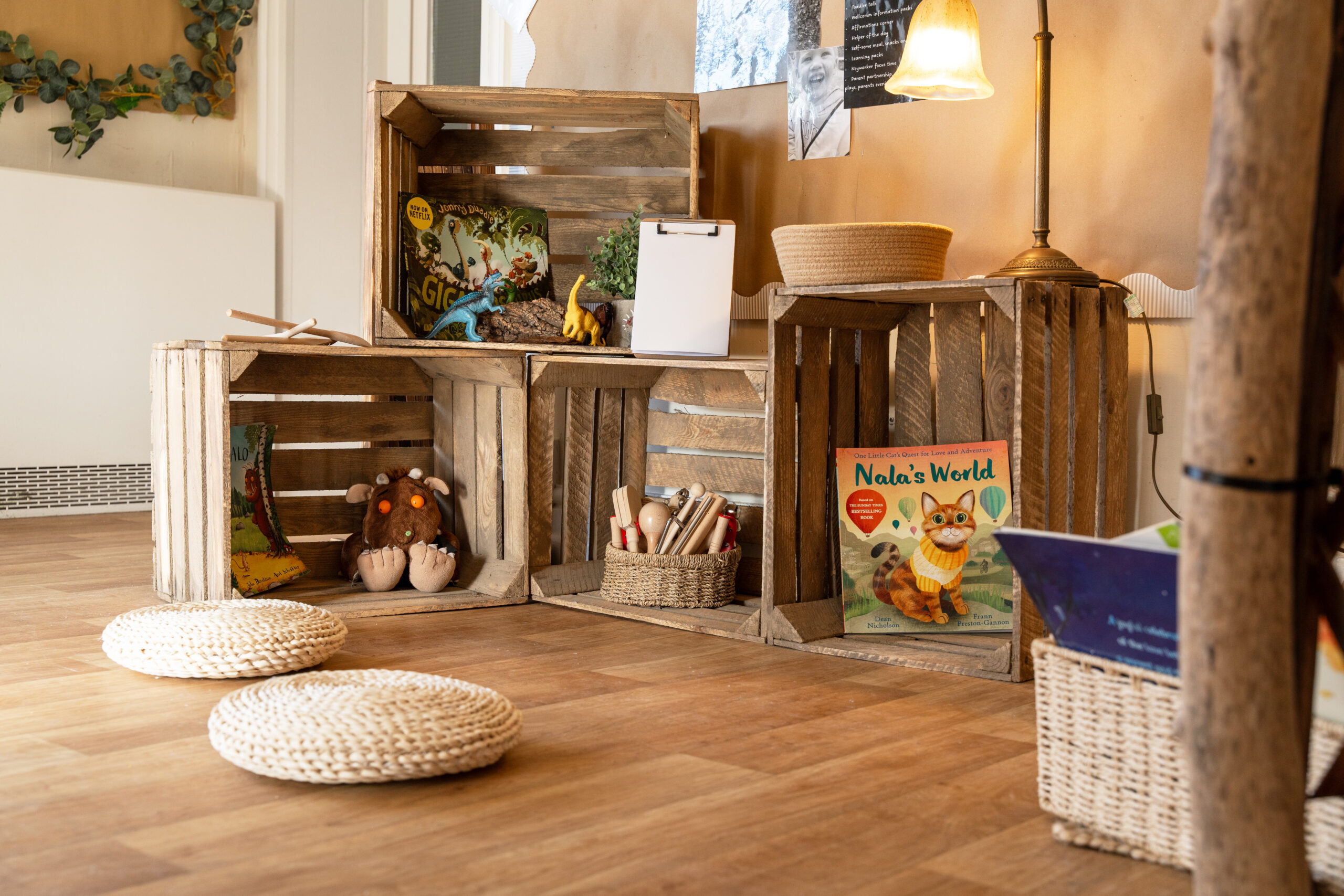
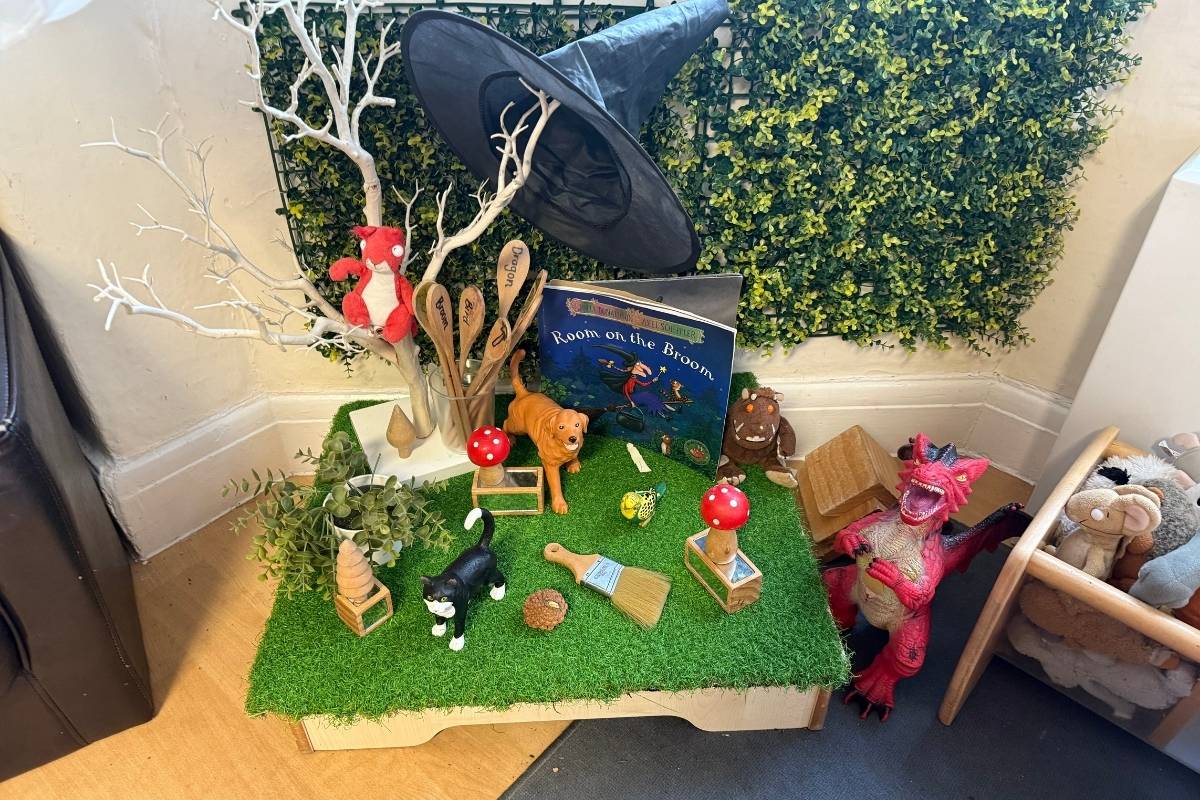
Book-Based Activities: Practitioners create activities inspired by children’s favourite stories. If children love The Tiger Who Came to Tea, we might set up a tea party in the home corner. If they enjoy dinosaur stories, we’ll set up a dinosaur activity alongside stories about dinosaurs.
Story Re-Enactment: Using puppets, handmade resources, or even creating a stage, children can bring their favourite stories to life. This could be something as simple as acting out We’re Going on a Bear Hunt in the garden, using their imaginations to explore the story’s journey.
Story Sacks: These are bags filled with props linked to a book, making storytelling interactive and engaging. Children can use the objects as they listen, helping to bring the story to life.
Small Group Story Time: Our story sessions are designed to maximise participation. Team members use different voices and expressions to make stories engaging, while older children are encouraged to join in by saying familiar lines.
Story Creation: Children can create their own stories, whether by dictating them to a team member who scribes for them or by making their own books in the mark-making area. This nurtures their creativity.
Following Children’s Interests: Our celebrations will look slightly different in all of our settings, as our teams follow the children’s interests. In some nurseries, this has led to team members putting on performances of children’s favourite books, bringing the characters to life in a fun and engaging way
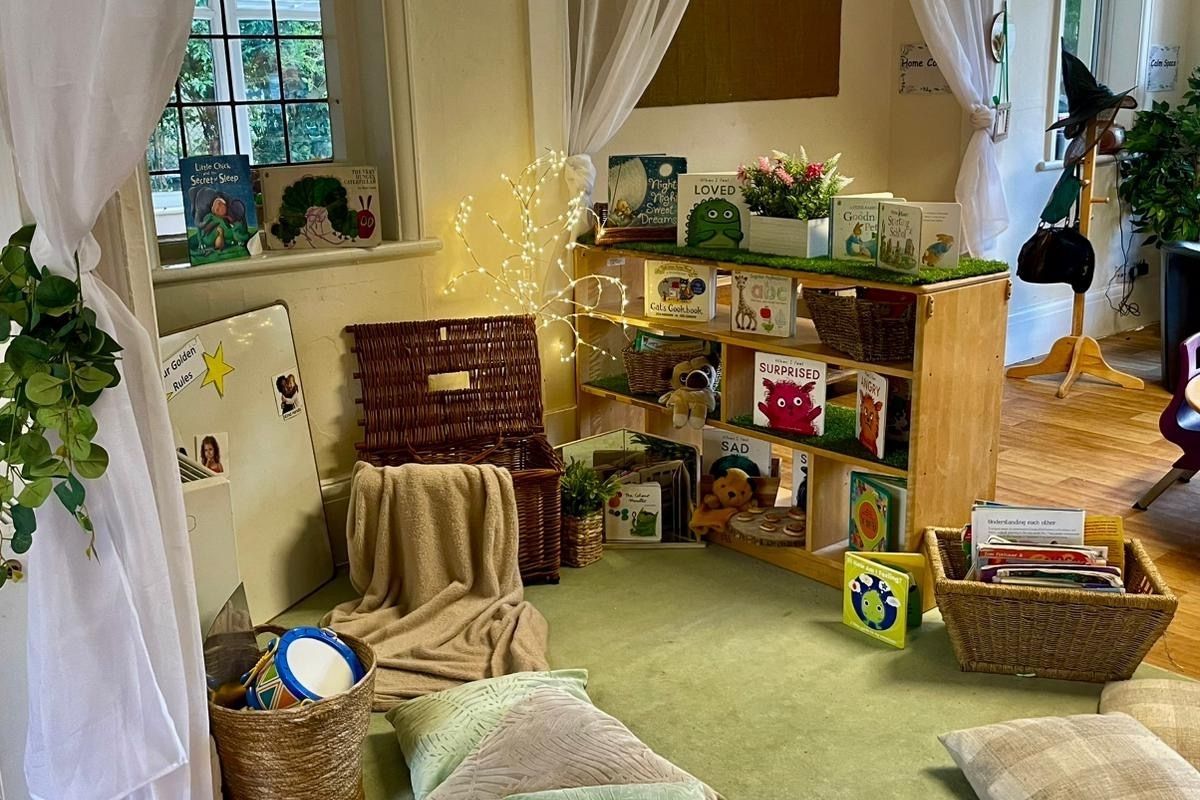
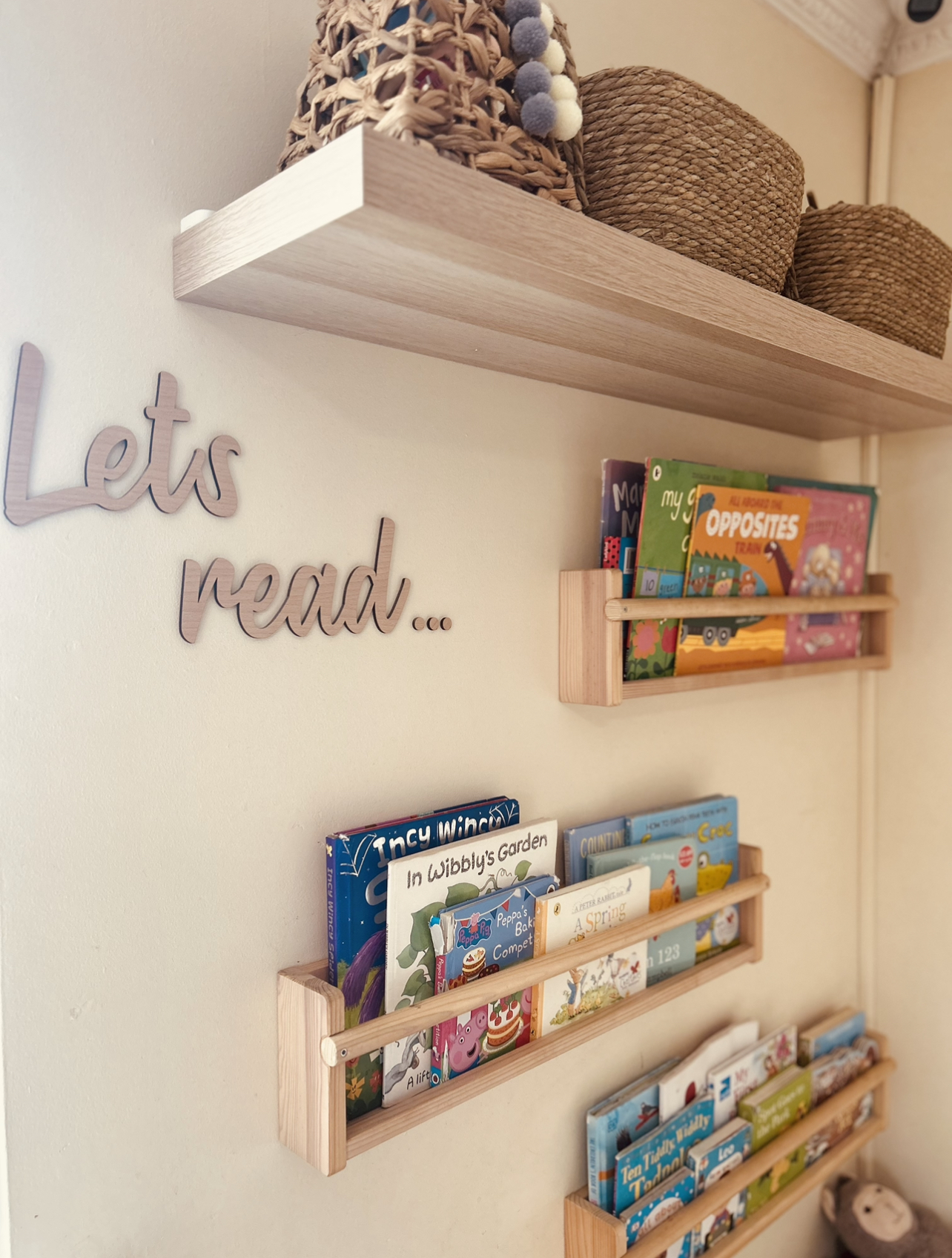
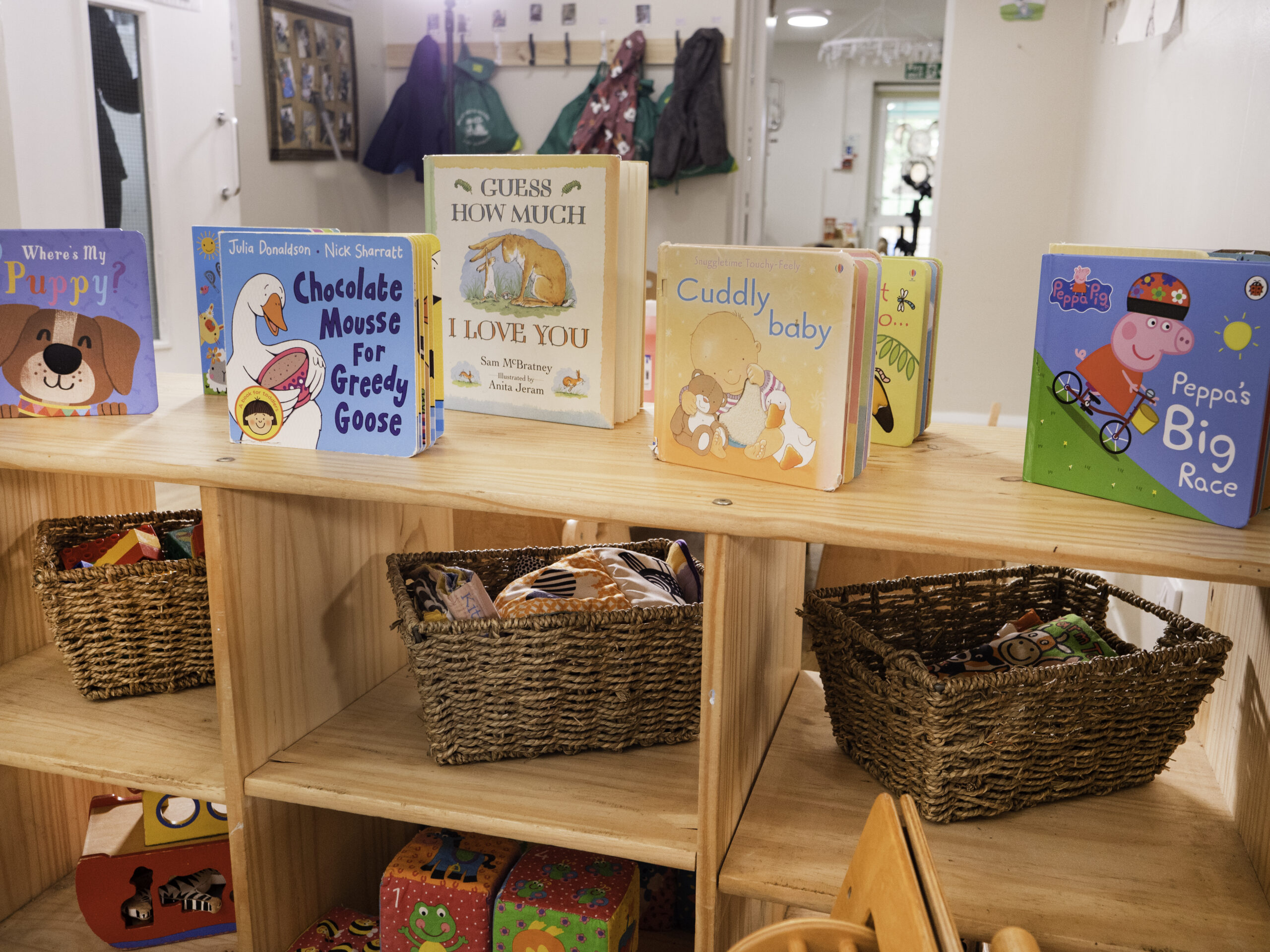
While we make an extra effort to celebrate books on World Book Day, storytelling is embedded in everything we do, every day as it forms an integral part of our curriculum. Through our Bump Into Books initiative, we ensure that books are woven into all areas of our nursery environments, making them accessible and relevant to children’s daily experiences.
Our Bump into Books initiative
Small World Play: Books about animals, dinosaurs, and diverse cultures are placed alongside small-world resources, allowing children to make connections between stories and their play.
Home Corner: Recipe books from different cultures, books about real-life experiences like hospital visits, and homemade books featuring photos of children and their families help link reading to everyday life.
Construction Area: Books about architecture, famous buildings, and local landmarks inspire children to think creatively as they build and explore.
Mark-Making Area: Books showcasing art from different cultures and those focusing on mark-making encourage children to experiment with drawing and writing.
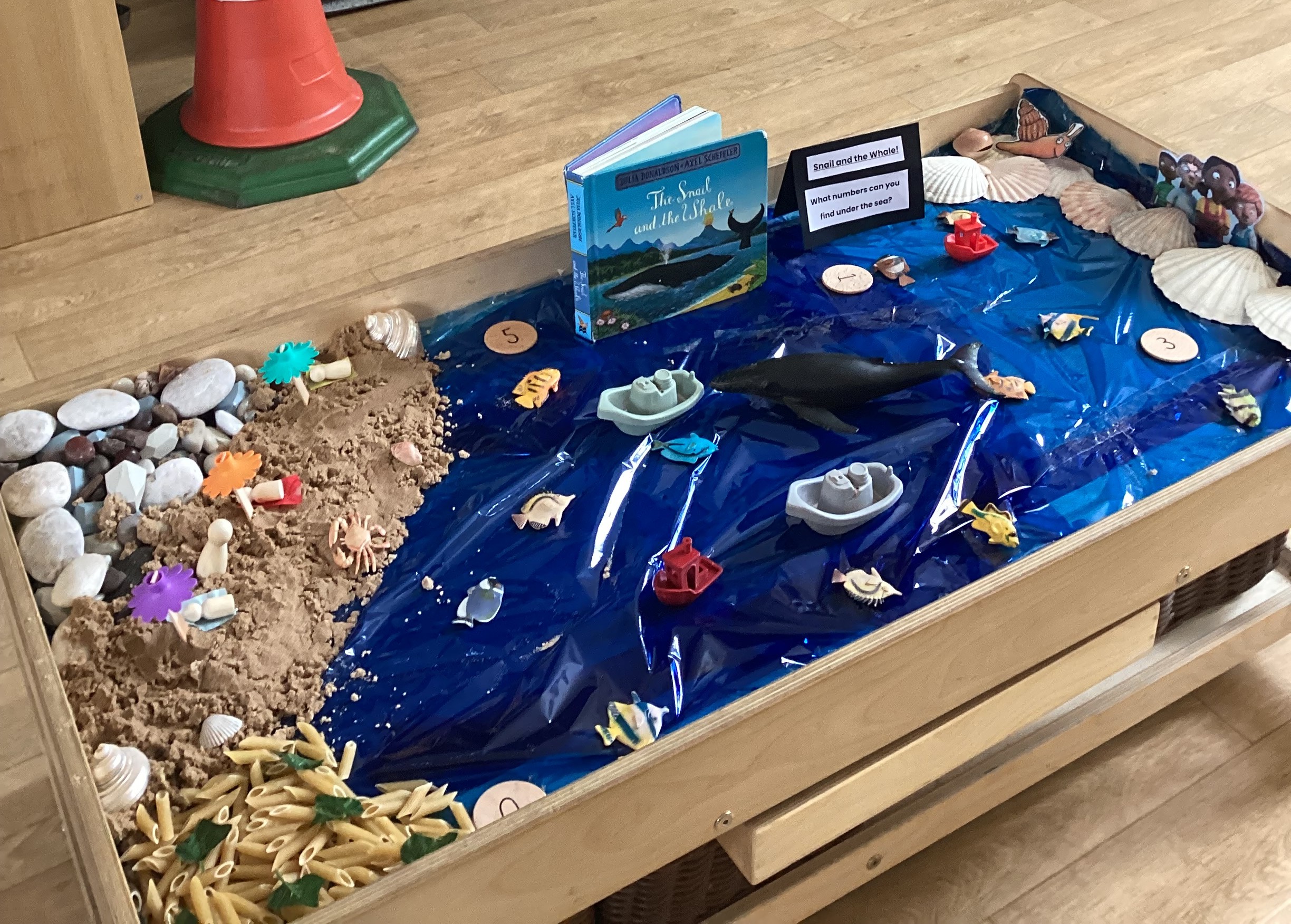
Sand and Water Play: Books about the seaside, fossils, and sea life help children make meaningful connections to their play with natural materials.
Each book is carefully chosen to complement the play opportunities in that area, helping children to engage with books in a natural, enjoyable way. Practitioners also use books to extend learning—for example, by introducing books about trains when children are building train tracks.
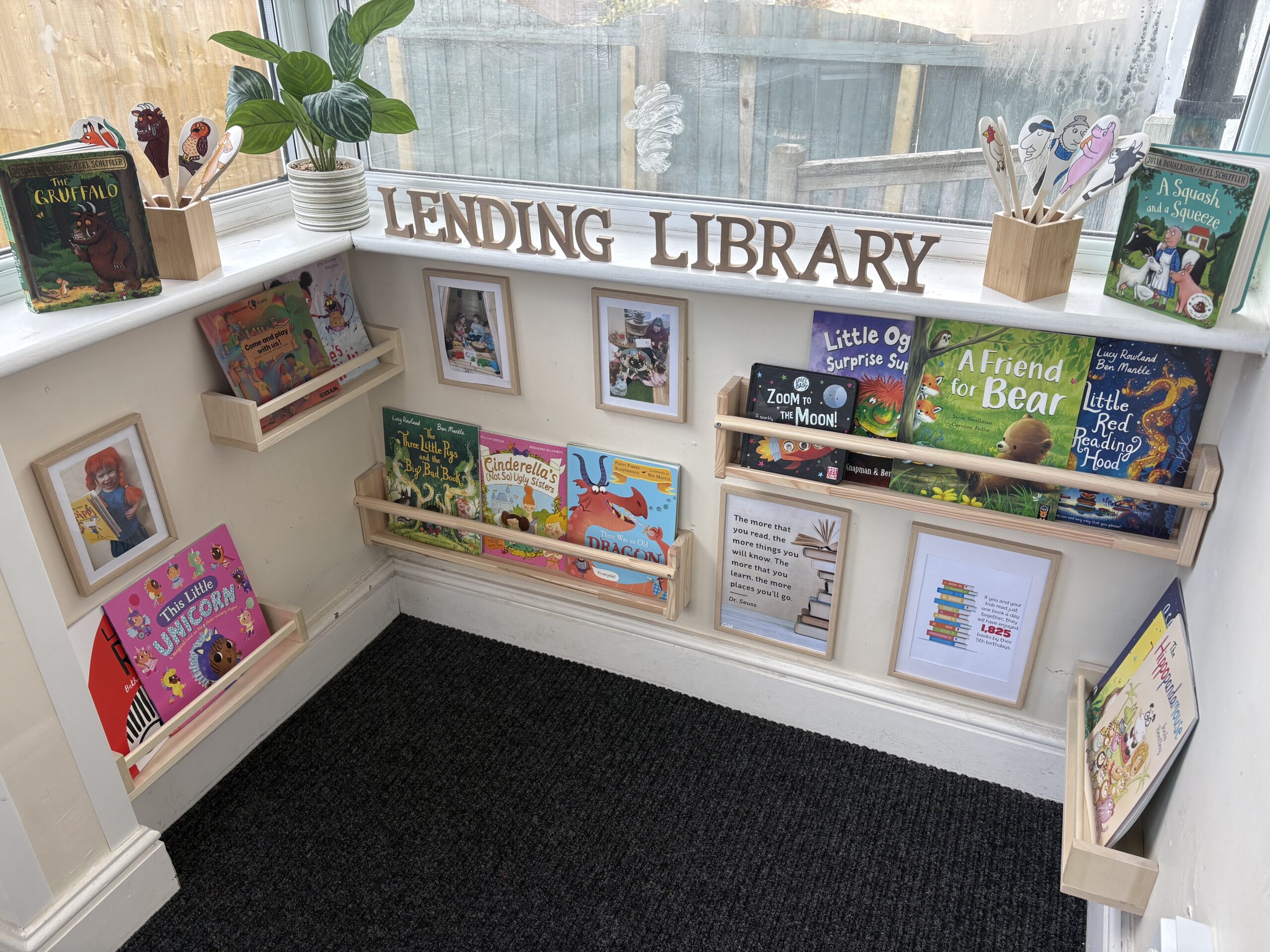
To ensure that all children have access to books at home, we also provide a lending library, where families can borrow books to read and enjoy together
Nurturing a Lifelong Love of Reading
At Partou, our World Book Day celebrations are about more than just one day—they’re part of our everyday commitment to making books a joyful, accessible part of children’s lives. By embedding books into our daily practice through our Bump into Books initiative, we nurture a lifelong love of reading, imagination, and storytelling—without pressure, stress, or cost.
By prioritising meaningful experiences with books, we ensure that every child, regardless of background, has the opportunity to develop a deep and lasting connection with reading.
Market Harborough nursery chef nominated for national award
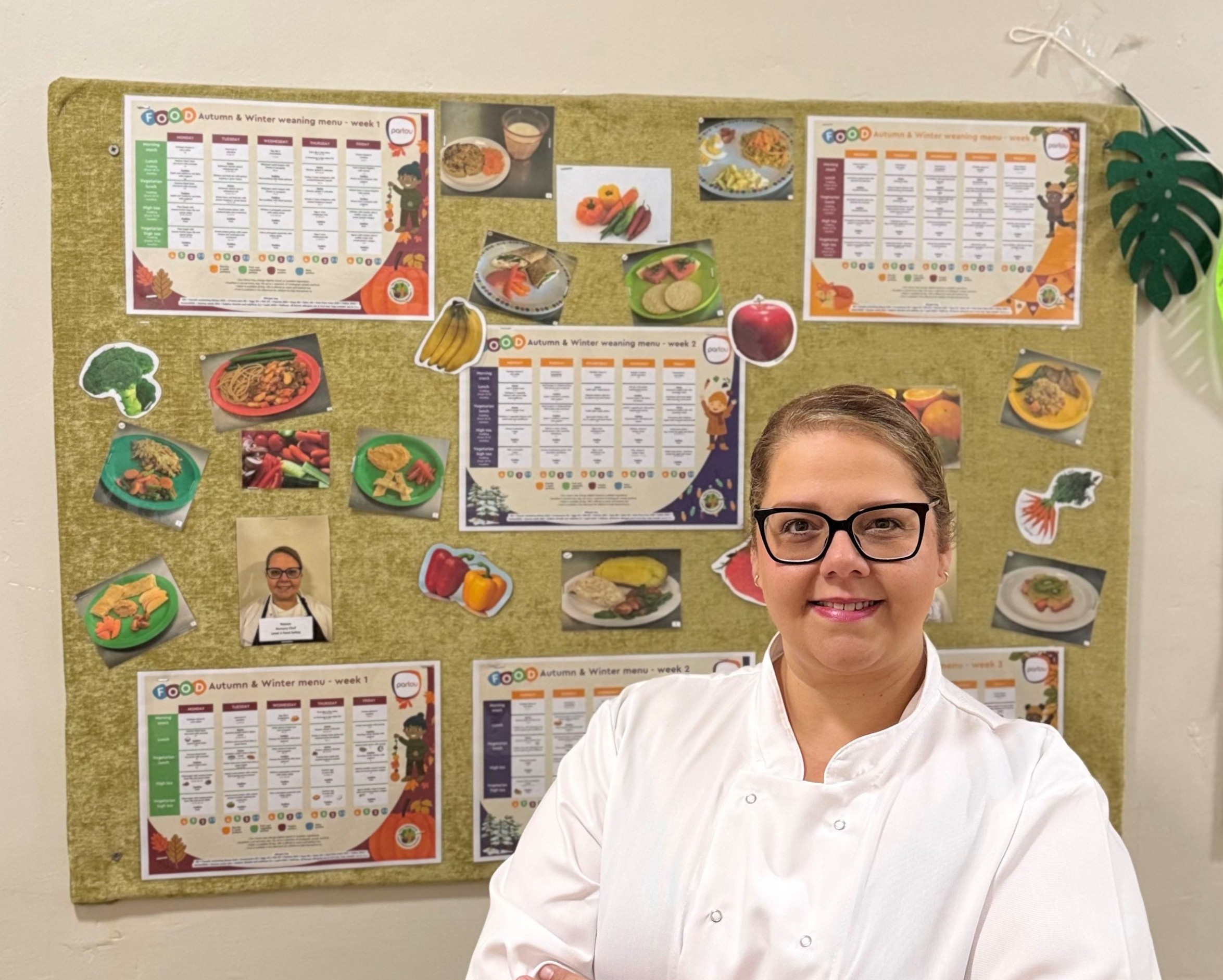
Naiane Serafin Godinho, Nursery Chef at Partou Progress House in Market Harborough, has been shortlisted for Chef of the Year at the National NMT Nursery Awards 2026.
Nursery Manager Nina Halls shares what makes Nai's passion for early years nutrition stand out.