Pre-school explained: why ages 3-5 years matter and how children learn best before their move to school
Between ages 3 and 5, children learn more quickly than at any other stage of life. Find out what pre-school looks like, why play is at the heart of it, and how to choose the right setting for your child.
Children usually move into our pre-school room at around age 3, so if your child turns 3 in September, they’ll typically move up around that time.
It’s important to note that all children are unique and, therefore, when they move into pre-school will depend on what’s right for them. Childhood isn’t something to be rushed, we make sure children transition into the right environment at the right time for them.
Pre-school is the final stage of your child’s nursery journey before they turn 5 and must move onto ‘big’ school. But the benefits of pre-school go far beyond helping children prepare for reception class.
Pre-school is not simply about getting children ready for school. And being ready for school doesn’t mean being able to read and write. Pre-school is about helping children become independent, confident, curious and capable learners for life.
The early years are a once-in-a-lifetime opportunity. Between birth and age five, children learn more quickly than at any other stage of life. Through warm, trusted relationships, play and purposeful learning experiences, children build the skills, confidence and curiosity that help them thrive now, at school and throughout their lives.
In this article, Sam Sleeman-Boss, Partou Head of Early Years, looks at what makes pre-school such an important stage in a child’s development, why learning at this age can look very different from school, and how families can decide what is right for their child.
What does my child need to thrive in pre-school?
The focus of pre-school is about helping children make progress in all the ways that matter at this stage of their lives.
Pre-school helps children feel confident, make friends, share their thoughts and ideas, explore the world around them and learn to do things for themselves. These skills help children when they start school, but they are also important for their happiness, wellbeing and success throughout life.
Teaching young children doesn’t always look like ‘teaching’
Ofsted defines teaching as a broad term that covers the many different ways in which adults help young children learn.
For many of us, we think of learning as sitting at a table, listening to a teacher and completing a task. In the early years, learning often looks very different.
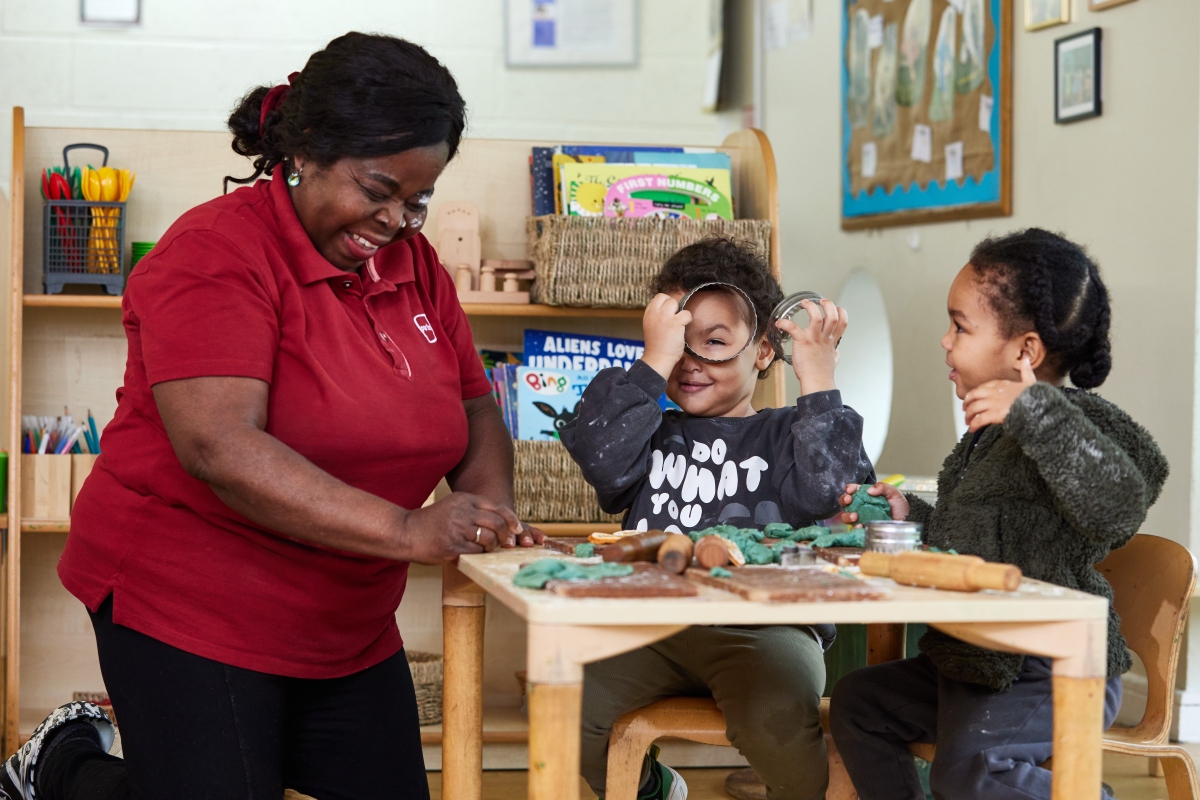
In pre-school, you won’t see a teacher standing at the front of the room. And there won’t be worksheets or formal lessons.
Instead, you will see educators, who are experts in early childhood development, teaching children by building, talking, imagining, exploring, asking questions, encouraging children to make choices and to try something again when it didn’t work the first time.
Research tells us that young children learn best through play at this crucial age. They learn through relationships, conversations, exploration and hands-on experience. The best early years educators understand how to make those experiences meaningful. They know when to introduce a new idea, when to ask a question, when to help and when to give a child the confidence and space to work something out for themselves.
Teaching at this age is often playfully delivered but that doesn’t make it any less intentional. Through these experiences, children are developing language and communication, imagination, collaboration, problem-solving, persistence and independence.
The setting matters. And so do the people within it.
There is no single type of pre-school that will automatically be right for every child.
Every child is different. Their personalities are different. Their experiences are different. And they develop at different rates.
It’s important for families to think about the experience that is right for their child.
Who will spend time with them each day? Do those adults understand them well? Do they know what interests them, what makes them feel secure, where they are developing confidence and where they might need some extra support?
Think about the relationships your child has built and the environment around them. Are they able to explore? To move? To create? To talk? To make choices? To spend time with other children? To try something new, knowing that a trusted adult is nearby if they need them?
These are all important elements needed for learning. Belonging matters to children. Feeling known, safe and secure gives children a strong base from which to explore, take on challenges and become increasingly independent.
It is also worth thinking about the relationship educators build with families. Do they take the time to get to know you and your child? Do they work in partnership with you, sharing regular updates about your child’s day, their learning, their friendships and the moments that matter most?
Questions to ask when choosing a pre-school
If you are deciding what is right for your child before they start school, there are some useful questions you can ask any setting:
How will my child learn here?
Who will teach and support them?
How do you know what my child needs next?
How do you support their confidence and independence?
What happens if they need additional help in a particular area?
What opportunities will they have to explore, communicate, create and solve problems?
How will you support them when the time eventually comes to move into Reception?
The answers to those questions should help you consider what’s best for your child.
Ready for what comes next
Of course, we want children to feel ready when the time comes to start school.
We want them to be able to communicate, build relationships, manage increasing independence and approach new experiences with confidence and curiosity.
However, we don’t develop those things simply because school is coming. We nurture them because they matter to children now and because they will help them through many transitions, challenges and opportunities in the years ahead.
School is one of many important next steps. Our role in early years is bigger than preparing children for that step alone. It is to keep helping them grow, learn, to discover what they can do and become increasingly confident in the world around them.
If you’re beginning to think about pre-school or wondering what the next stage might look like for your child, speak to your Nursery Manager.
They can talk you through how your child is learning today, how their experiences will develop as they get older, and how the team will support them through what comes next.
Visit a Partou pre-school
Throughout November our nursery teams are hosting pre-school open evenings to help you understand what a Partou pre-school offers you and your child. Speak to your local nursery manager for details.
Search our nurseries by name, town, city or postcode.
Related news
Partou is the largest UK nursery provider to achieve first aid Platinum Award in all settings
Partou is the largest UK nursery provider to achieve Tigerlily Training Platinum Accreditation across every setting, recognising the highest standards in paediatric first aid and emergency preparedness.
Find out how our ongoing partnership with Tigerlily helps keep children safe and our te...
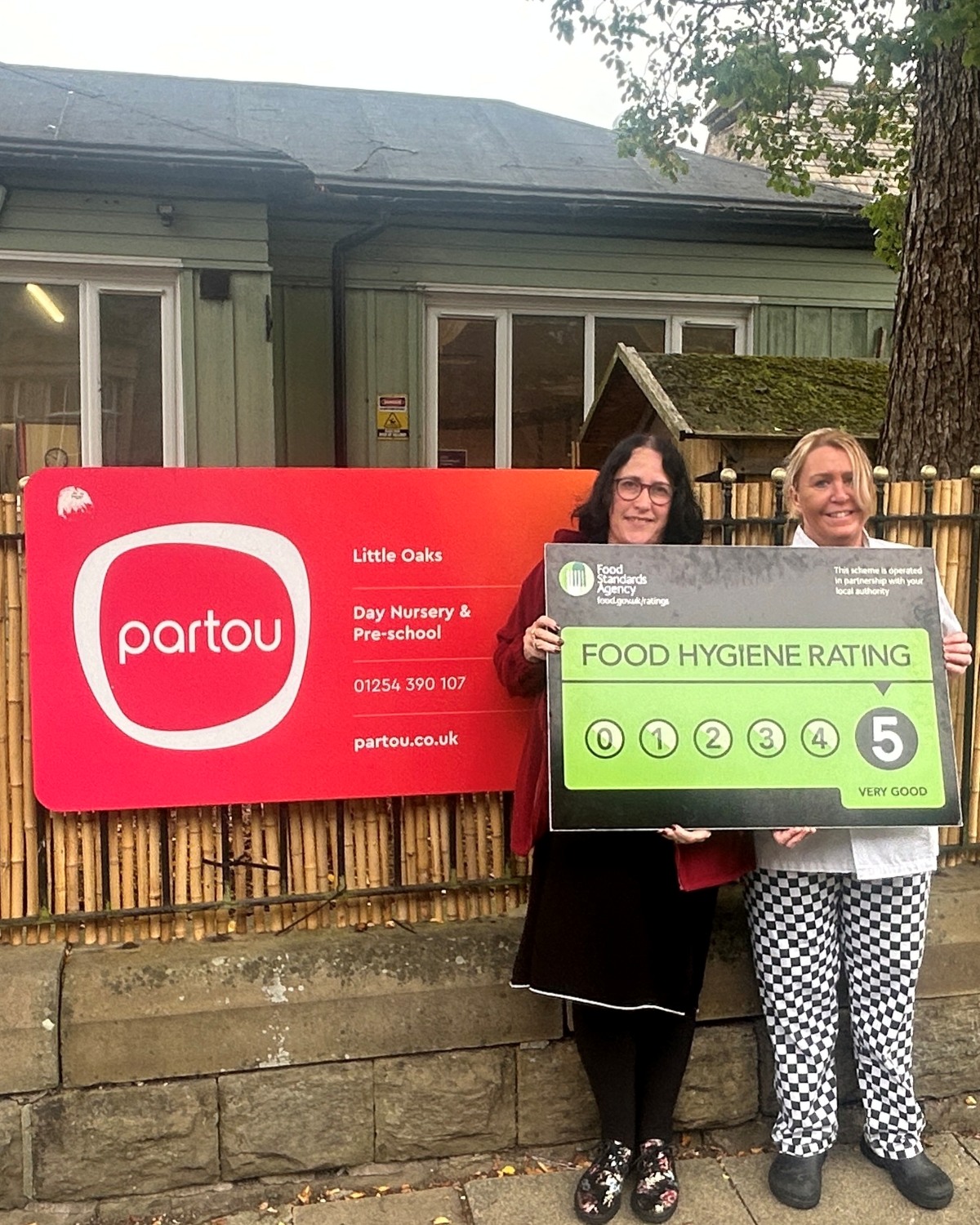
Accrington nursery awarded top food hygiene rating
Partou Little Oaks in Accrington has achieved the highest possible 5-star food hygiene rating, recognising exceptional standards of cleanliness, food safety and compliance.
Learn more about this achievement and the dedicated team behind it.