Studies show that our developmental movement is key to our development, both physical and cognitive, as we move through childhood and into adulthood. Here we explore how we can encourage developmental movement in our babies and toddlers to help them grow into confident, healthy and active young people and then adults.
Why is developmental movement so important?
Years of study have shown clear and direct links between physical activity in young children and their development in a number of ways:
- physical
- language development
- vision and hearing
- emotional development
- memory
Each developmental milestone your child goes through – rolling over, crawling, walking, climbing – will provide vital neurological sensory integration. Through these developmental movements babies and children are learning to touch, to hear, to see. And as they grow, they learn the developmental movement ABC – attention, balance and coordination.
How to encourage developmental movement in babies and toddlers
Much of our child’s developmental movement is reflexive and instinctive, from in utero movements through to a toddler’s innate desire to run, climb and play. But there are things we can do to enhance our children’s developmental movements, giving them the best possible start in life. Much of these will be things we do naturally in response to our children’s needs.
Here are a few ideas for how you can encourage moment in your child:
For babies up to 12 months
- It’s really good for babies to spend time on the floor, make sure that you have rugs/ carpet or baby mat so that this is comfortable for them
- Dangling a toy, soft object or your hands in reach and within eyesight so they can kick and grab it and track it with their eyes and eventually head when you move it side to side
- Giving them plenty of tummy time, up to 30 minutes a day, encouraging them to gradually lift up their heads and reach for items
- When children are beginning to show signs of wanting to and are ready to sit up on their own; providing toys and other child-friendly objects of varying sizes and textures they can learn to grasp – e.g., rattles, soft rings (also great for teething!), spoons, soft toys – will engage them.
- As your baby develops, their tummy time will evolve into the all-important floor play. Simply popping your child on the floor is really important to help your baby learn how to push up and explore how their body can move along the floor. It builds their core strength and helps the development of their spatial awareness.
- If your child bottom shuffles rather than crawls, encourage, but do not force them to crawl through spending time together in this position, creating tunnels to crawl through etc. It is much better if do children crawl in some way, shape or form as crucial movements, such as cross lateral movement, eye tracking from a head downwards position and neck strengthening from lifting the head, cannot be achieved otherwise.
- Crawling can mean traditional cross lateral moving – different arm and leg move together – or bear crawling – where knees are not on the floor – or commando crawling – tummy on the floor and moving in this way. Many children, when they first starting to crawl, end up moving backwards! They eventually work out how to go forwards too.
- Gently bouncing your baby on the bed while you hold their hands will help them practice bending their legs and they will love the up and down movement.
- Rocking, swinging or even dancing with your baby helps develop their sense of movement and rhythm.
- Stay away from using car seats for any longer than necessary – they hold children’s spines in an unnatural curved position
- Stay away from using Bumbos at all for the same reason as above but also because they “force” a child who is not naturally ready to sit into an unnatural seated position
- Baby walkers (that you place the child in to be held) and door bouncers all hold children in an unnatural standing way, and whilst they are not as bad as car seats or Bumbos, should only be used sparingly if at all
- Wherever possible ensure that when babies nap then can do so on a flat surface, so ideally not in a buggy but in a pram, not in a baby bouncer but on a flat mattress. This supports the natural elongation of the spine and doesn’t hold them in an unnatural “c-shape”
For toddlers
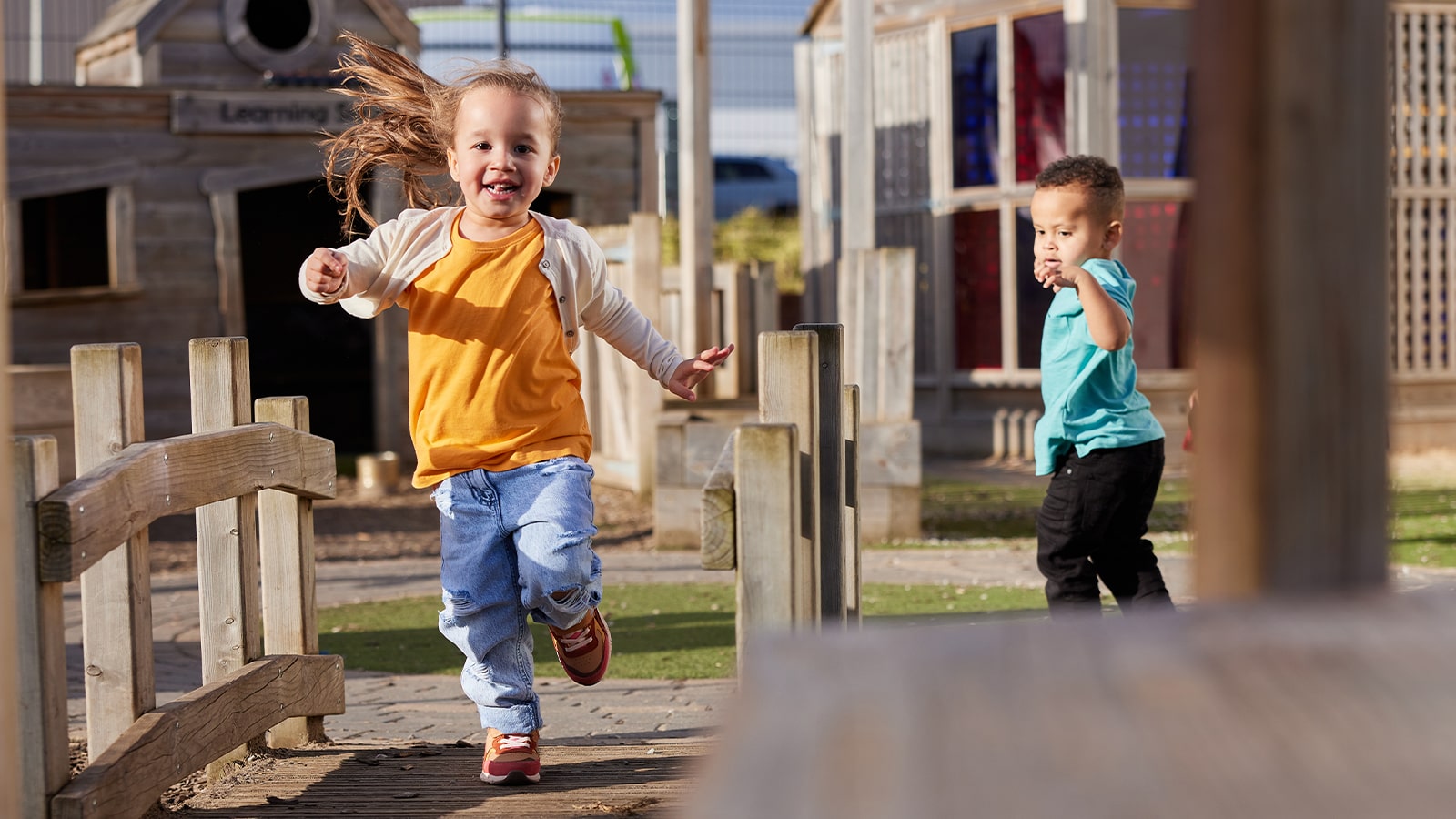
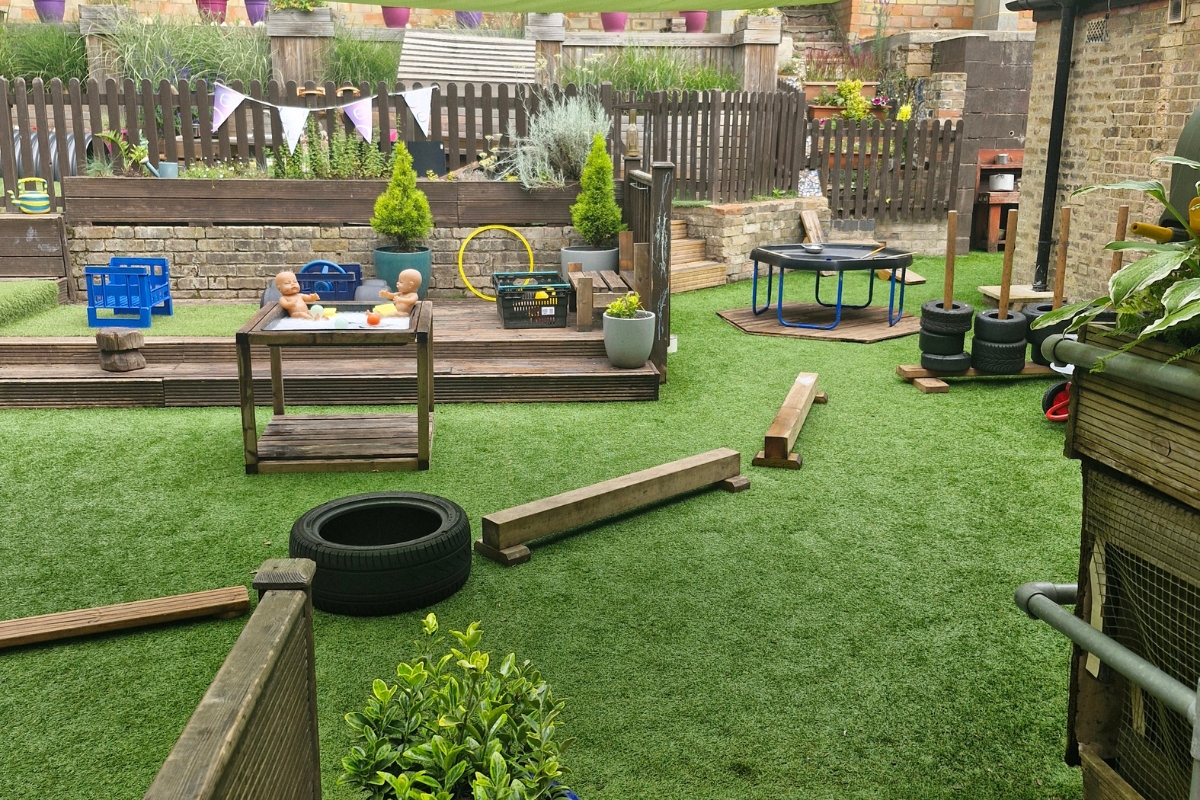
- Allow your child the time, space and freedom to crawl, walk, jump, run, spin round, push and pull objects. Create a soft play area, use soft toys/ sofa cushions to build so they can climb, or an obstacle course to navigate
- Give them plenty of outdoor time where they can develop an understanding and awareness of the sights, sounds and textures of nature. Kicking leaves, jumping in puddles, climbing on the play equipment in the local playground – it’s all a vital part of movement and sensory development.
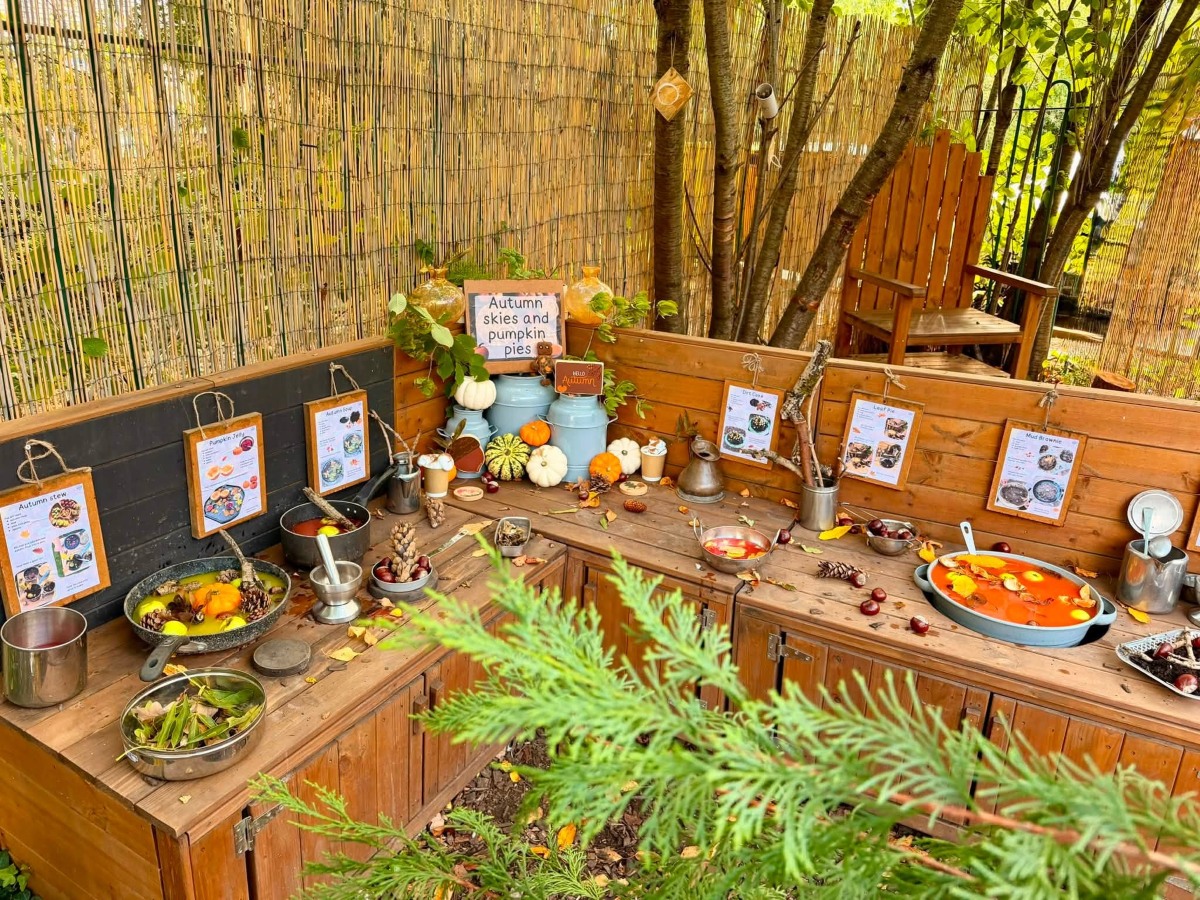
- Give your child access to objects he or she can grasp, manipulate and play with. Play dough, sand, cardboard, water – the wider the variety of textures you can provide that your child can explore in a safe and supervised way, the more you’re supporting their sensory development.
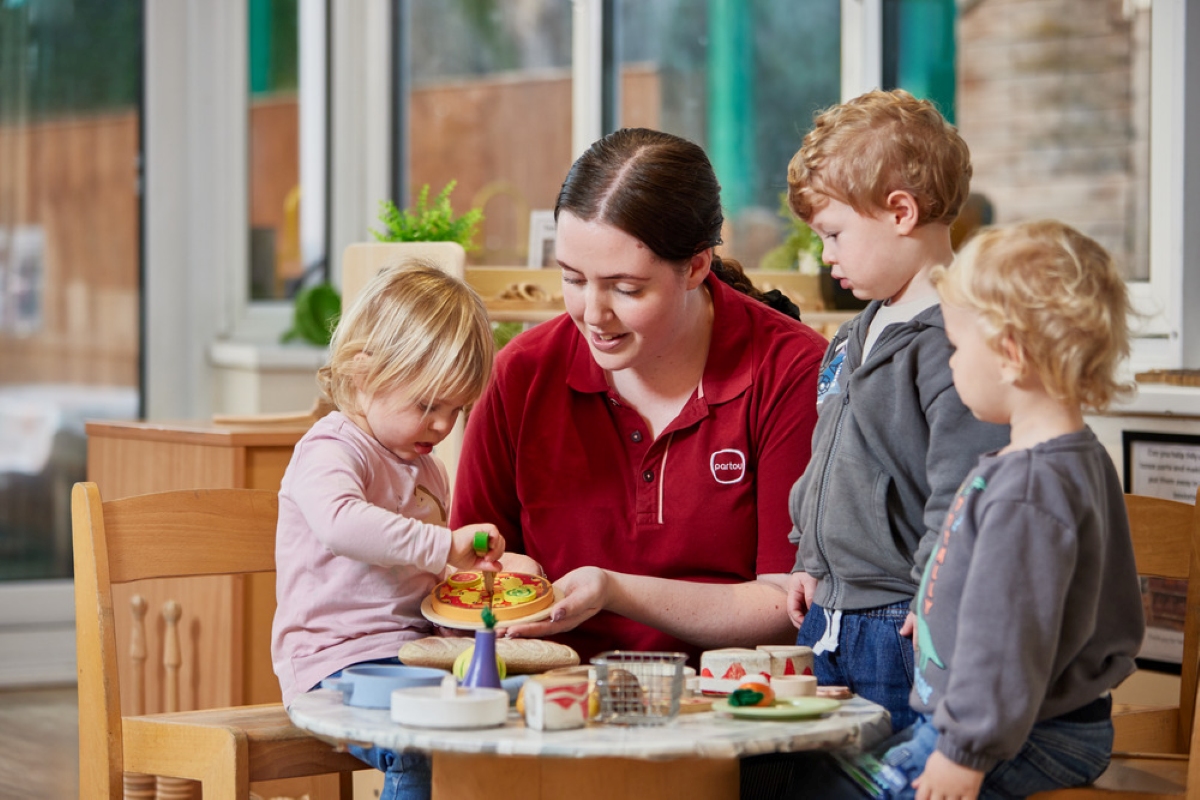
- At mealtimes encourage your child to be as independent as possible – touching their food, using their own utensils and holding their own drink is not only hugely important in developing their fine motor skills, but it also helps your child learn about the taste, texture and smell of food.
At our nursery in Wendover, through the space we create, the toys, games, facilities, and activities we offer, and the outstanding knowledge and training of our staff, we recognise, support, and enhance the developmental movement of every child in our care.