What is sensory development in babies?
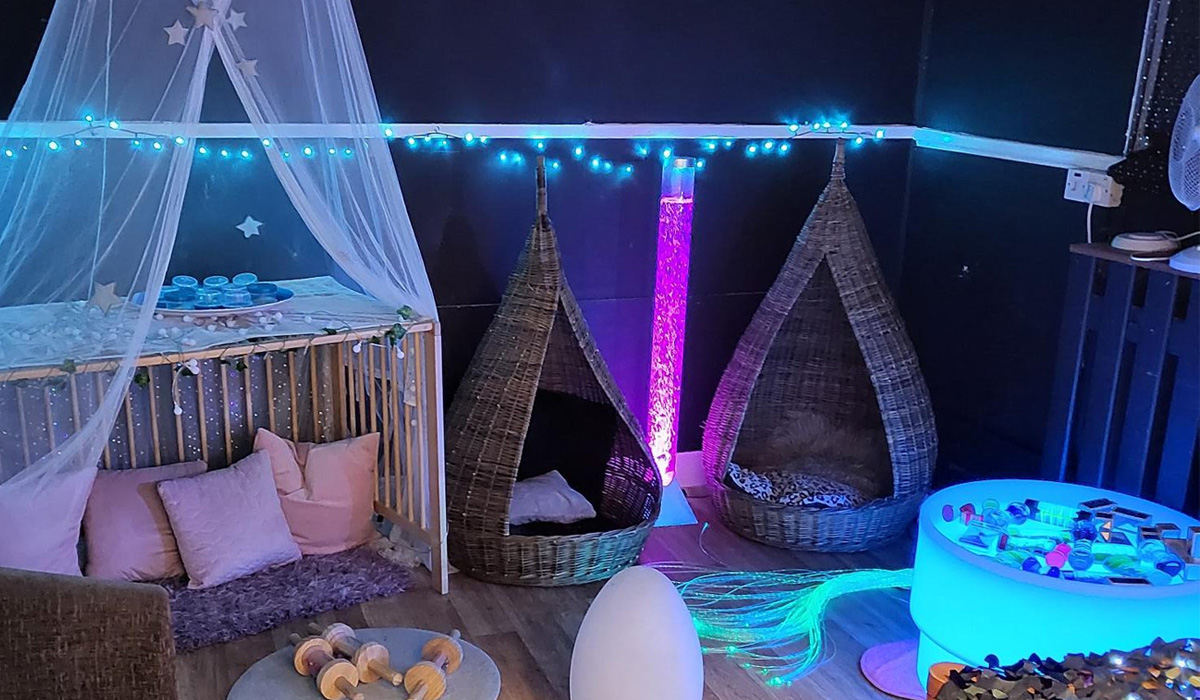
Sensory development in babies is the development of the 5 senses: vision, hearing, taste, touch, and smell. Parents being aware of sensory development in infants from 0-12 months and encouraging exploration of the 5 senses can help a baby adapt to life outside the womb. Sensory-based activities and play also support meeting those big developmental milestones such as walking and talking.
Sensory development milestones in a baby’s first 12 months
During baby’s first 12 months of life, their 5 senses develop at an incredible rate. Here are a few of the most important sensory development milestones for babies:
Vision
Seeing in Colour (4 months) – Vision is very limited in the early days of a baby’s life but from 2 weeks old they can begin to differentiate colour, and this continues to develop until around 4 months.
Hearing
Recognising Familiar Sounds (6-8 months) – Babies can recognise their parents’ voices from birth but by around 6 months baby can now recognise everyday sounds like your ringtone, or the doorbell, and will turn towards the sound.
Touch
Holding Objects (4-6 months) – Babies sense the world differently to us and in the early days use mostly their mouths to explore. Once they begin to use their hands the opportunities to play and to explore textures are endless.
Taste
Tasting the Rainbow (6 months) – When babies take that big step from a milk-only diet to starting solid foods, the world of taste becomes so much more exciting.
Smell
Recognising Scents (12 months) – Babies are born with a full sense of smell, but by around one year old a baby’s sense of smell has developed to recognise smells they like and smells they don’t.
Activities to promote sensory development
Promoting sensory development in babies is not something which needs to be overcomplicated.
Starting from day one, you can promote a new-born’s sensory development with lots of skin-to-skin contact.
A walk around a park on a sunny day is an engaging experience providing sensory development opportunities such as seeing the colours of nature, touching leaves, smelling flowers. Babies of all ages benefit from outdoor play as a sensory experience.
Sensory activities for older babies can include blending up cereal to make edible sand, or mixing food colouring in yogurt to make edible paint, as fun and safe ways to play with touch, texture, and colour.
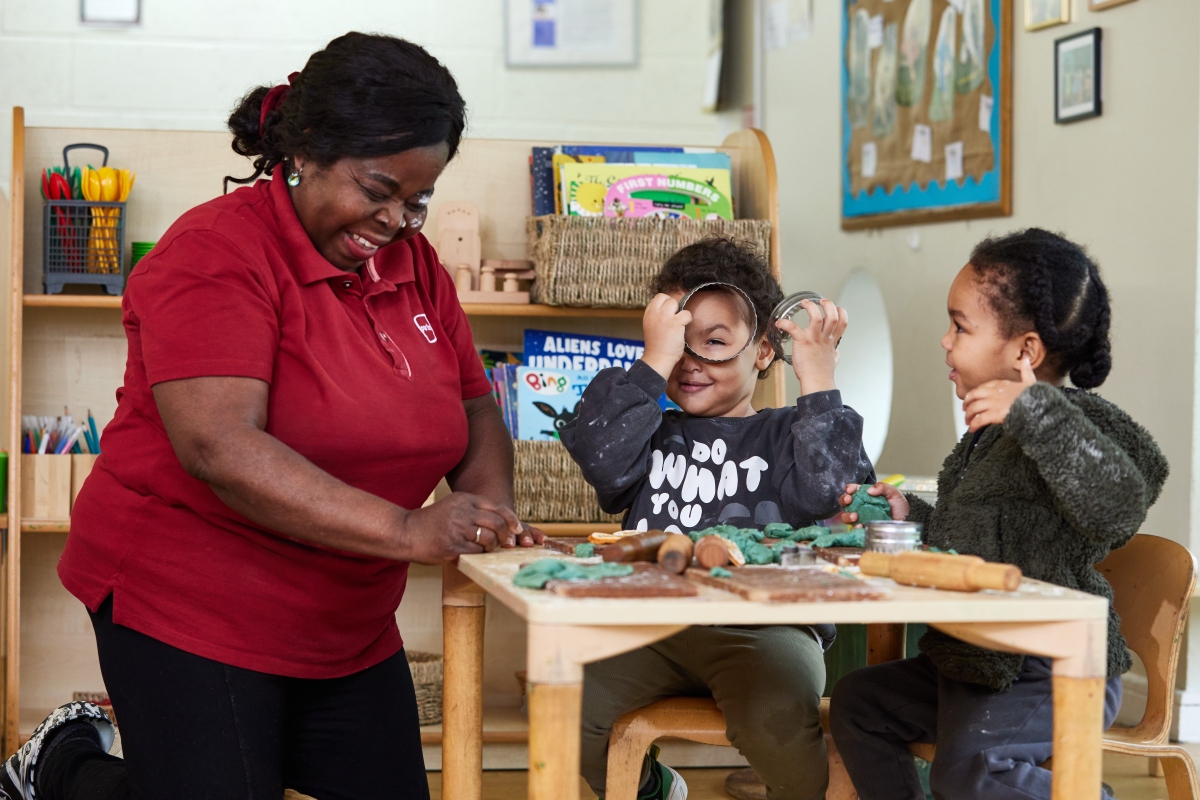
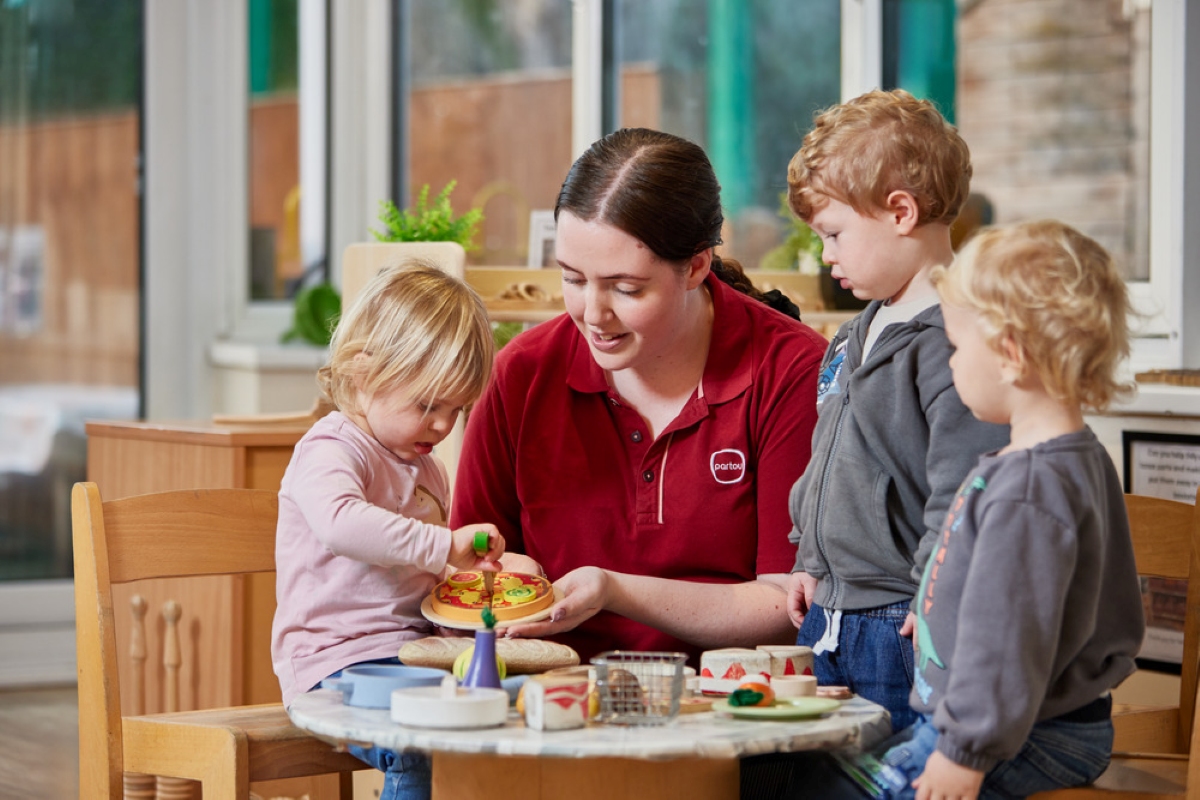
At Partou, we encourage a variety of fun and creative sensory development opportunities in our day-to-day activities. To learn more about our nurseries, find a nursery near you today.