What are life skills?
Life skills are the everyday abilities that help us navigate the world. From making friends in the playground to solving problems later in life, these early foundations are essential for a child’s development.
Some of the life skills young children start to build at nursery include:
- Focus and concentration – Learning how to stay on task without getting distracted.
- Understanding others’ perspectives – Recognising that other people may have different likes, dislikes, and feelings.
- Communication – Both spoken language and non-verbal cues like facial expressions and tone of voice.
- Taking risks and building resilience – Having the confidence to try new things, even if they make mistakes along the way.
- Thinking critically – Exploring how things work and experimenting with different ways to solve a problem.
- Spotting patterns – Making connections and identifying similarities in everyday situations.
- Self-care – Learning basic hygiene, personal needs and understanding healthy food choices.
Everyday skills for life
Practical life skills help children become more independent, confident, and capable in everyday situations. From helping out at home to understanding how the world works, these are skills they’ll use for life.
Some key areas include:
- Cooking and meal preparation – Involving your child in the kitchen helps them learn about healthy eating, following instructions, and feeling proud of what they’ve made.
- Time management and organisation – Simple routines and tidying tasks help children understand the value of time and structure.
- Understanding money – Introducing simple ideas like saving coins in a jar or choosing how to spend pocket money helps build early financial awareness.
- Basic first aid and emergencies – Teaching children how to respond in simple situations, like applying a plaster, can build calmness and confidence.
- Helping with chores – Giving your child small, age-appropriate tasks around the house encourages a sense of responsibility.
- Laundry basics – Sorting clothes or folding towels introduces ideas of self-care and cleanliness.
These everyday skills lay the groundwork for independence — and with support from both home and nursery, they become second nature over time.
Thinking and problem-solving
Helping your child to think for themselves is a powerful part of early learning. Critical thinking and problem-solving encourage curiosity, independence, and resilience.
Here are a few ways children develop these skills:
- Looking closely at things – Encouraging your child to explore and ask questions helps them understand how the world works.
- Thinking about what makes sense – Learning to spot when something doesn’t quite add up helps children build logical thinking.
- Making simple choices – Supporting your child in thinking through options shows them how to make thoughtful decisions.
- Solving little challenges – Whether it’s a tricky puzzle or finding another way to build a tower, your child is learning to persevere.
- Being creative – Imaginative play and creative thinking help children explore different ways of solving problems.
- Learning from mistakes – Helping your child understand that it’s okay to get things wrong builds confidence and a growth mindset.
With gentle encouragement and plenty of praise, children can become confident, capable thinkers from an early age.
How we develop life skills at nursery
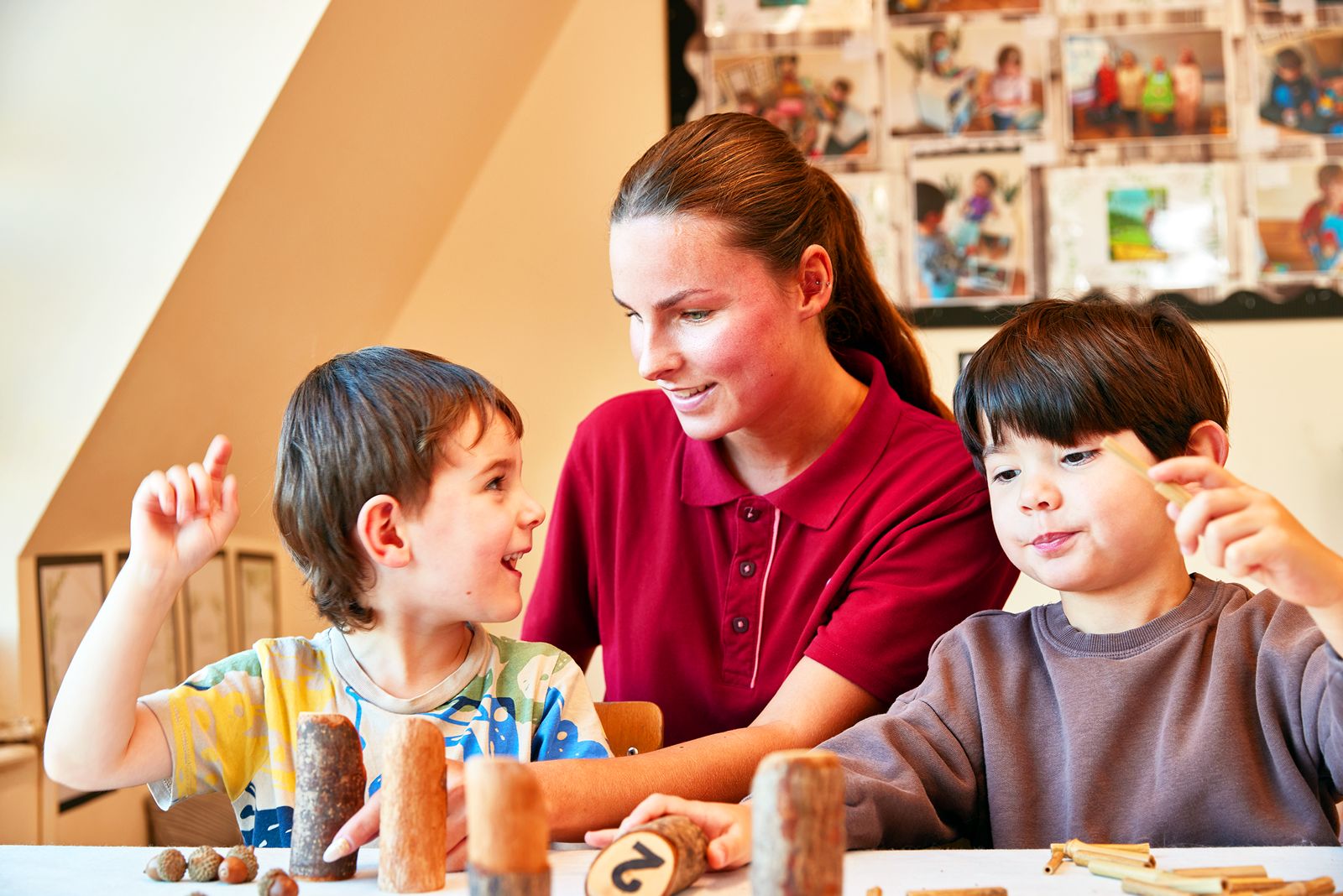
At our Partou nurseries, we support every child to grow in their own way, through a warm, supportive environment full of opportunities to explore and learn.
We help children build life skills through:
- Predictable routines and quiet areas – Giving children a sense of structure and space to concentrate.
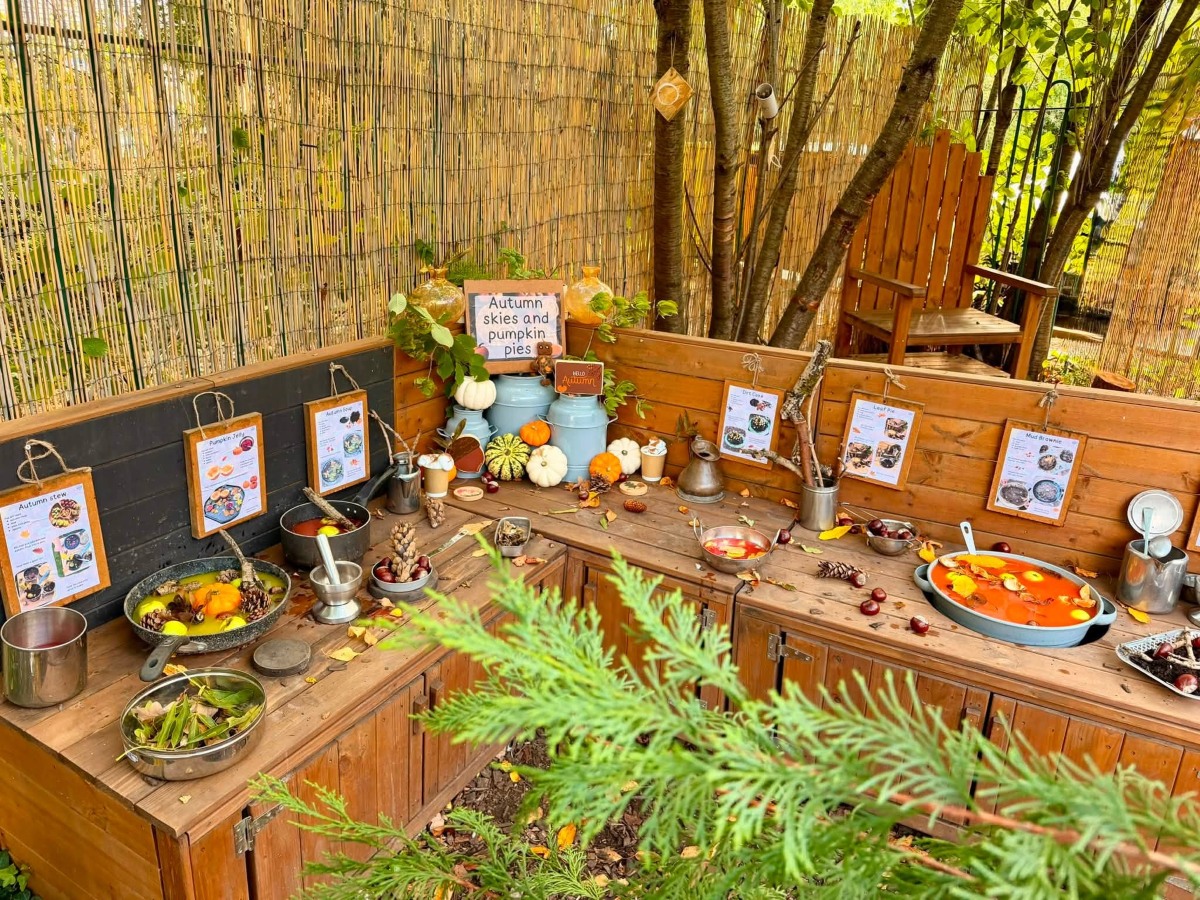
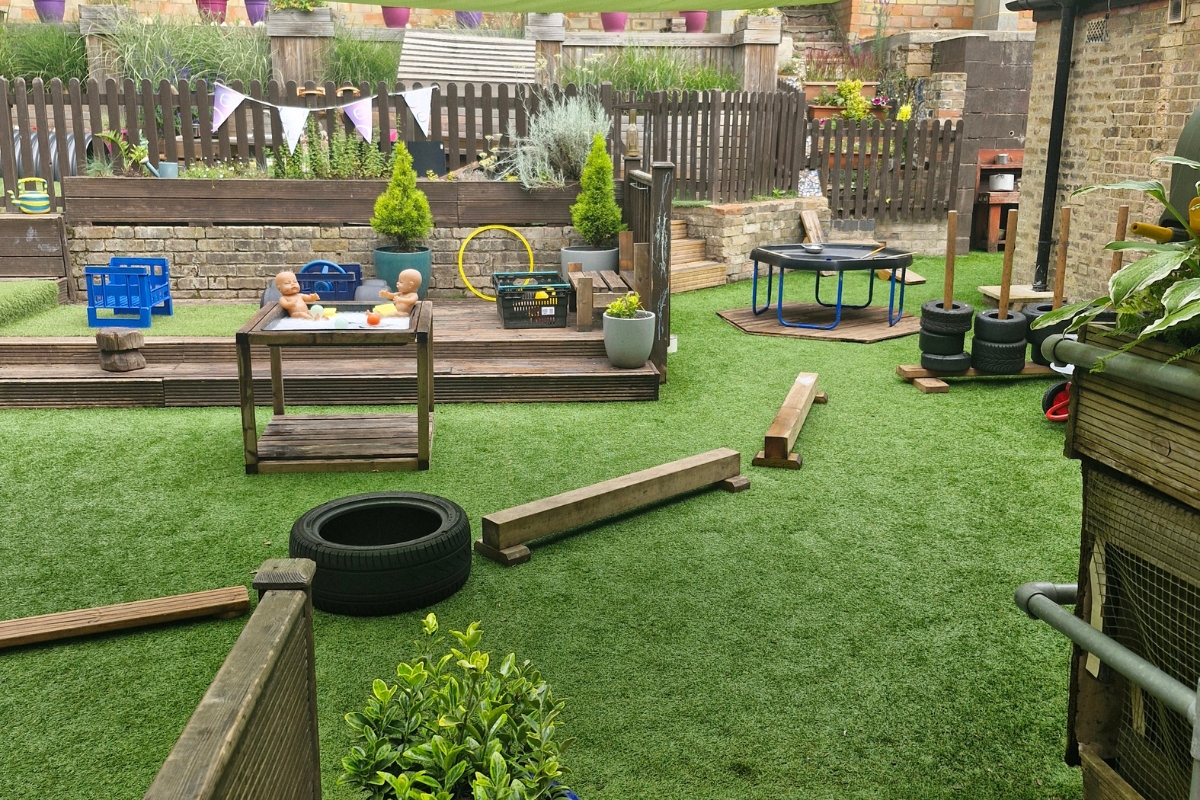
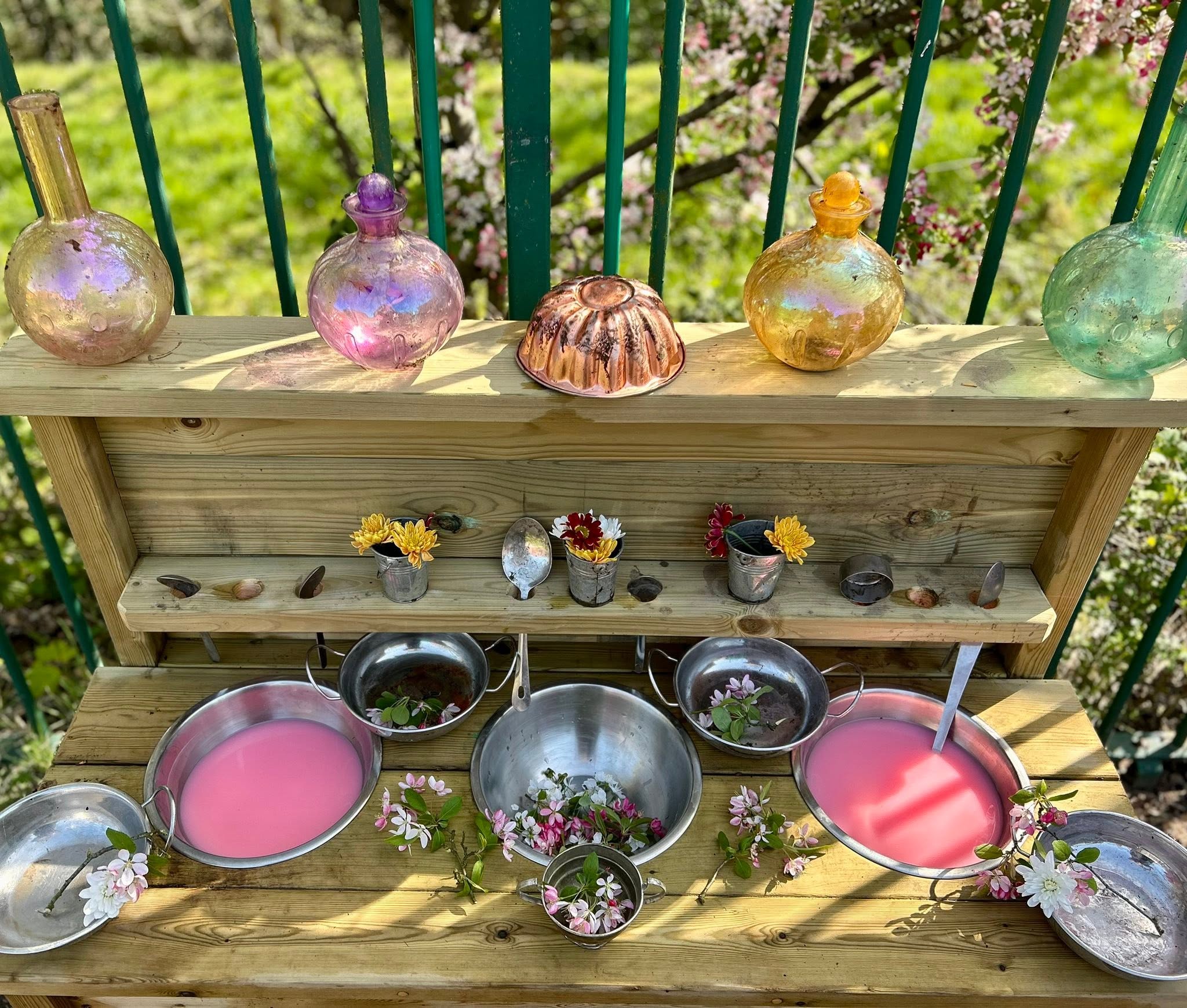
- Open-ended play – Letting children explore at their own pace with materials that spark curiosity and imagination.
- Social interaction – Encouraging teamwork, friendships, and communication through group play.
- Positive encouragement – Helping children believe in themselves and try new things with confidence.
These approaches are part of everyday life at nursery, and they play a big part in preparing children for the next stage of their learning journey.
Encouraging life skills at home
You’re likely already doing a great job supporting your child’s development — but here are a few extra tips to build life skills into your family’s everyday routine:
- Read stories together – Chat about the characters and how they’re feeling to build empathy and emotional understanding.
- Visit the playground – Show your child that you believe in their ability to try new challenges and take safe risks.
- Support resilience – If they fall or get frustrated, help them understand it’s okay to try again.
- Create simple routines – Including quiet time or small tasks helps children feel secure and independent.
- Encourage free play – Let your child lead the way sometimes, making their own choices about what and how to play.
- Social outings – Spending time with friends, neighbours, or family gives children a chance to practise communication and cooperation.
By weaving these activities into daily life, you’re giving your child an excellent foundation for the future.
At our nurseries, we help every child build the life skills they’ll carry with them forever.
Ready to take the next step? Find your local nursery to arrange a visit and see how we support children to grow in confidence and independence.