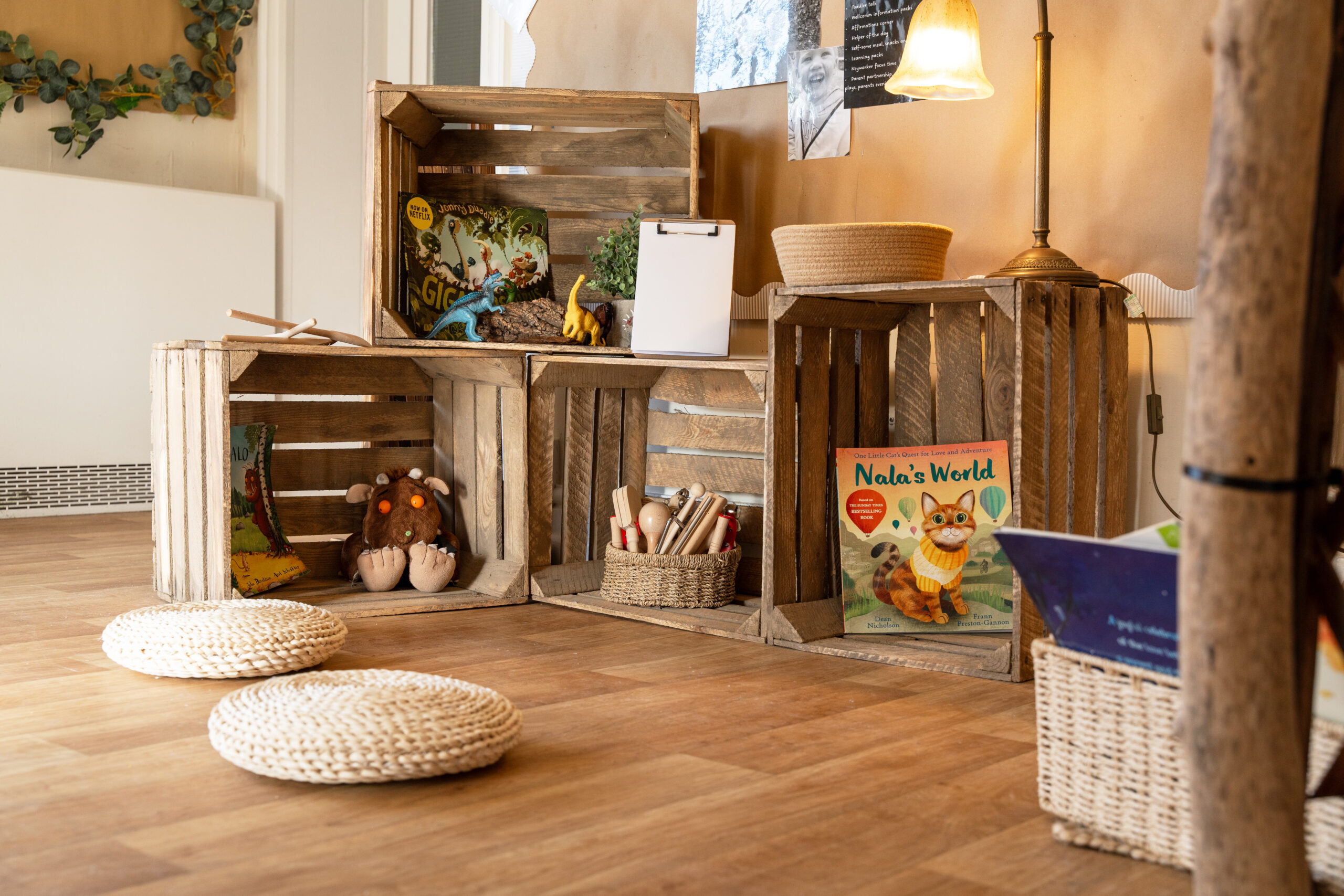
From bedtime reading to singing in the car, the everyday moments you share with your child are already building the foundations for literacy. Discover simple, practical ways to nurture early years confidence with words, letters and sounds with no special resources needed.
Building early years confidence with words, letters and sounds
Early years literacy refers to the foundations children build before they start formally reading or writing. Early literacy grows from connections, conversations and everyday experiences which shape children’s confidence and curiosity. Laying the foundations for early literacy doesn’t need to be complicated and there are a number of simple ways you can support this at home. Here are our top tips for encouraging early years’ literacy in daily life.
Reading together
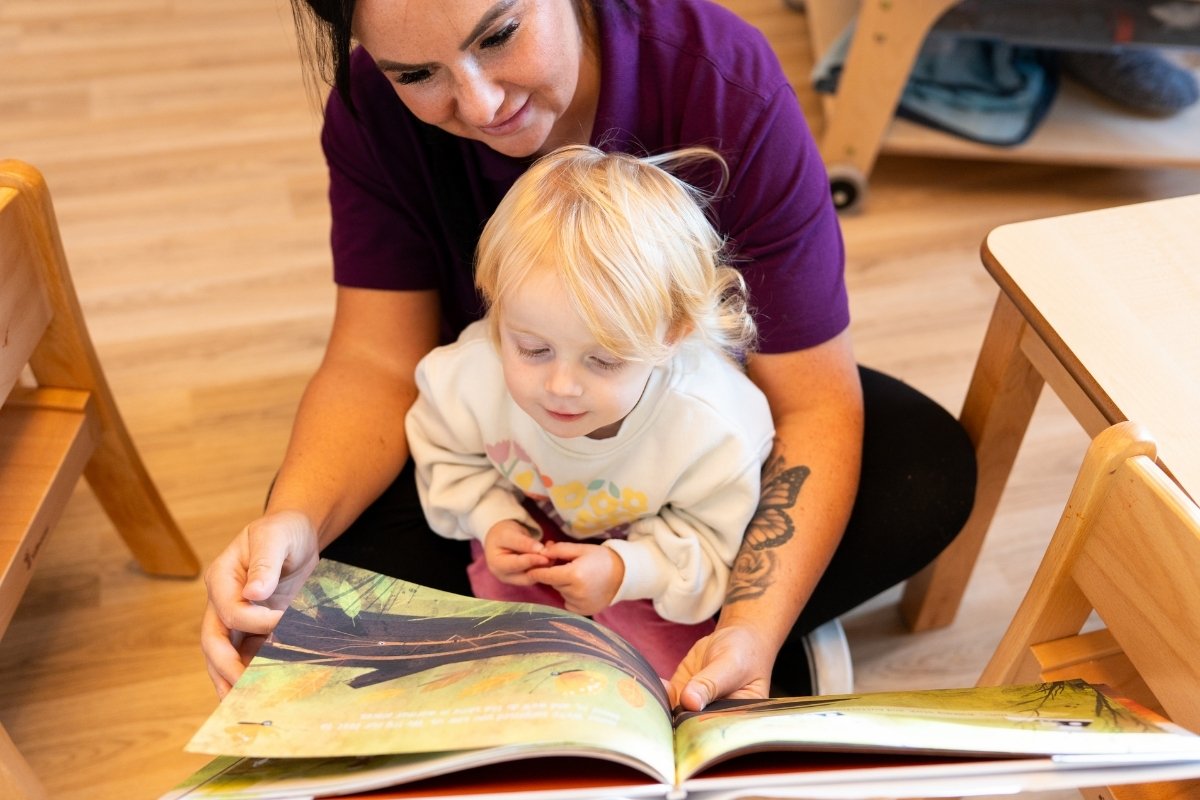
This can be little and often, whenever opportunity presents itself, or as a more structured part of your family’s bedtime routine. Let children choose their favourite book, and don’t worry if it feels like you are reading the same one constantly, as repetition is brilliant for language development and building children’s confidence.
Our top tips for reading with young children are:
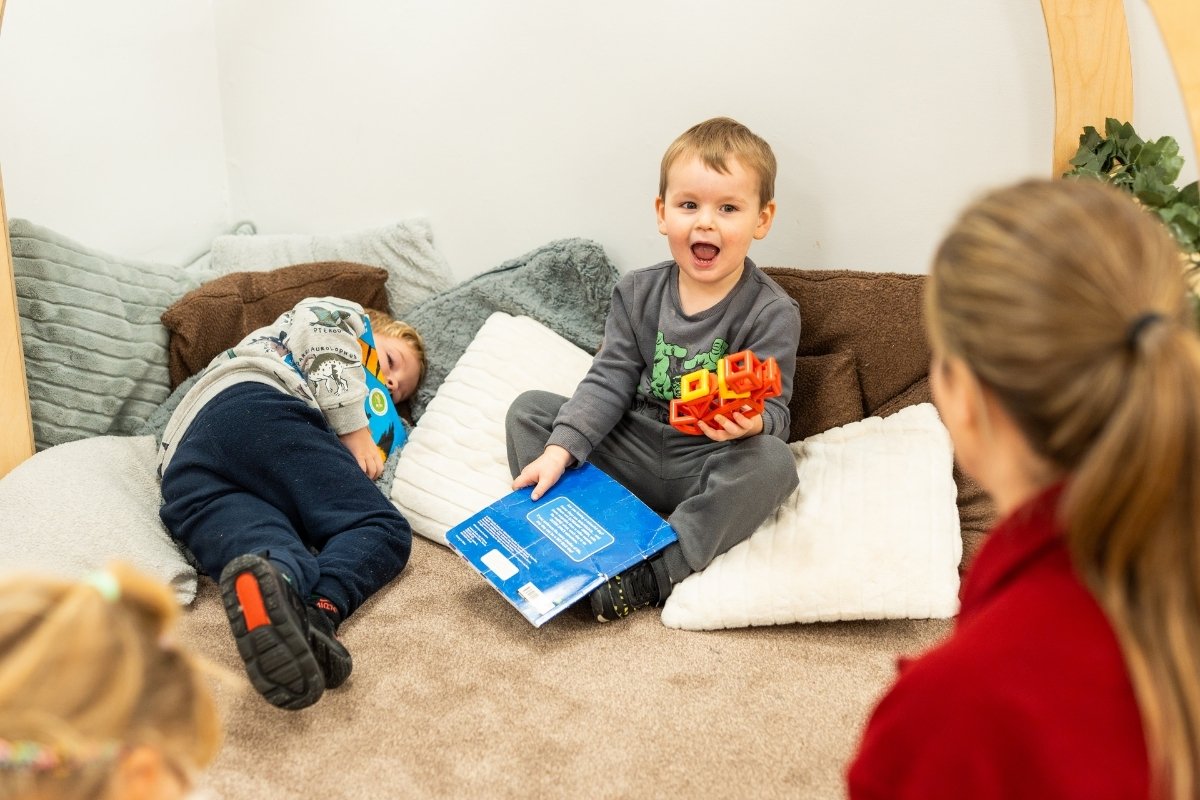
Make sure you’re comfortable before you begin. If you’re reading at bedtime whilst uncomfortable or feeling distracted, it can be harder to settle into the moment. Creating a cosy, relaxed space supports a calm bedtime routine and offers a co‑regulating experience for both children and adults.
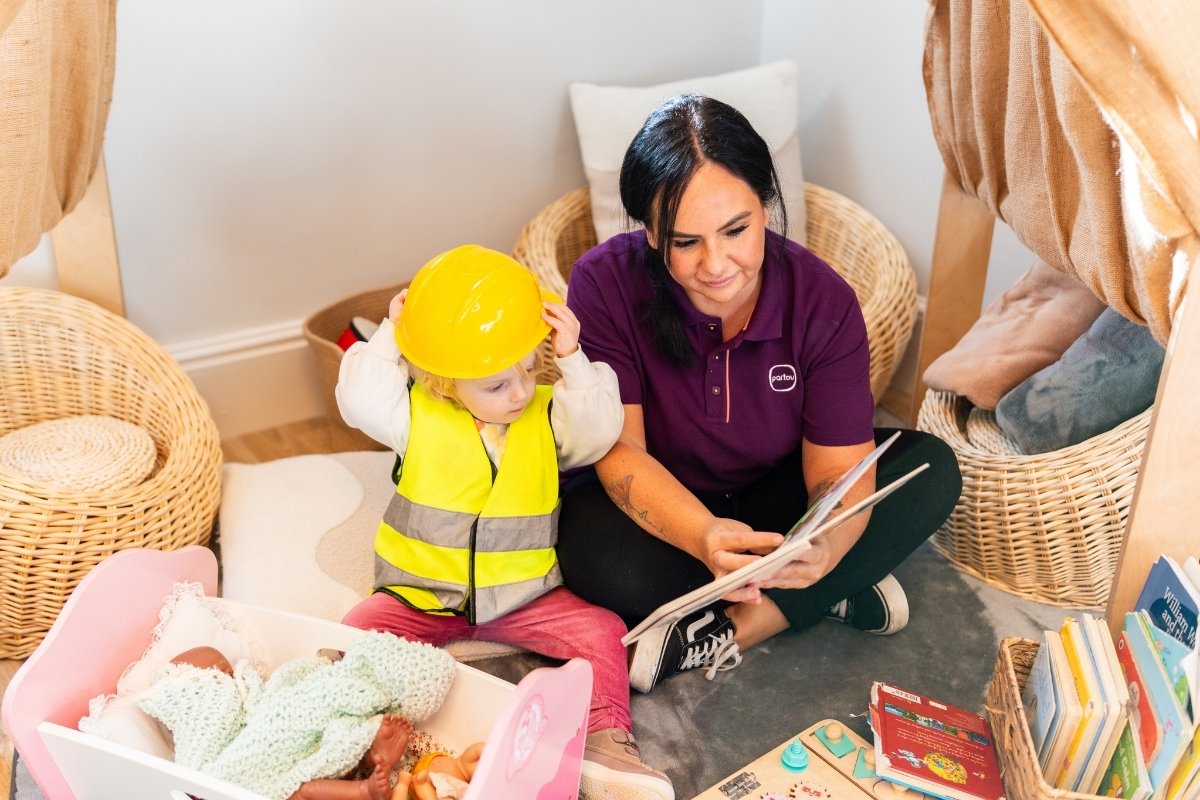
Let children take the lead. It might be that they are too tired for a story before bed and prefer short stories woven throughout their day. Follow their lead on timings, let them turn pages, point to pictures, and finish familiar lines, as this all builds their confidence and enjoyment with new words, sounds, and rhythms.
Vary your tone whilst reading. Tone conveys meaning and decoding this is an important part of conversation and literacy. It also keeps stories interesting for children
Expand the story through conversation. From simple commentary for babies, repetition of unfamiliar words for toddlers to questions about the story and illustrations for older children, taking the story beyond the page is a great way to build comprehension and encourage children to build early language foundations.
Finishing the book isn’t the end goal. Enjoyment not completion is the most important part of reading with children. If children are having more fun turning the pages than listening to the story you can talk about the noise the pages make as they turn them, how many pages they’ve turned, the colour of the pages and how they feel in their hands as a way to build language skills.
Talking together throughout the day
This can feel a little one-sided if you have a young baby, but conversation is an important building block of early literacy, even at a very early age. Talking together and narrating the day and surroundings positively impacts language and communication skills. Some ideas are:
Naming objects
Describing what you’re doing
Practising animal and object noises e.g. “vroom” for a car, “swish” for windscreen wipers
Narrating what you can see
Voicing actions and routine
Pausing to give children an opportunity to respond, whatever their age
These can all be tailored to a child’s interests and build vocabulary and understanding to support children’s learning. Making this part of your daily routine helps children recognise patterns and language that build important early literacy skills, e.g., “Let’s put on our shoes…now we put on our coats…mummy opens the door…time to go outside.” When children know what to expect next, it helps to forge neural connections and language skills, which are excellent foundations for early years’ literacy and encouraging young children to thrive.
Singing songs together
Nursery rhymes, songs, and rhythm help children hear the sounds in words, which is great early years literacy preparation. Singalongs at home and in the car are a great way to bond and have fun whilst also nurturing early years’ language and literacy skills in children. The repetition of songs and rhymes also builds familiarity and confidence for children as they encounter new words and sounds. Songs with actions are also great for building early literacy skills as they help children to connect words and actions, some popular examples are:
Row, row, row your boat
Twinkle, twinkle little star
The wheels on the bus
Heads, shoulders, knees and toes
Incy wincy spider
If you’re happy and you know it
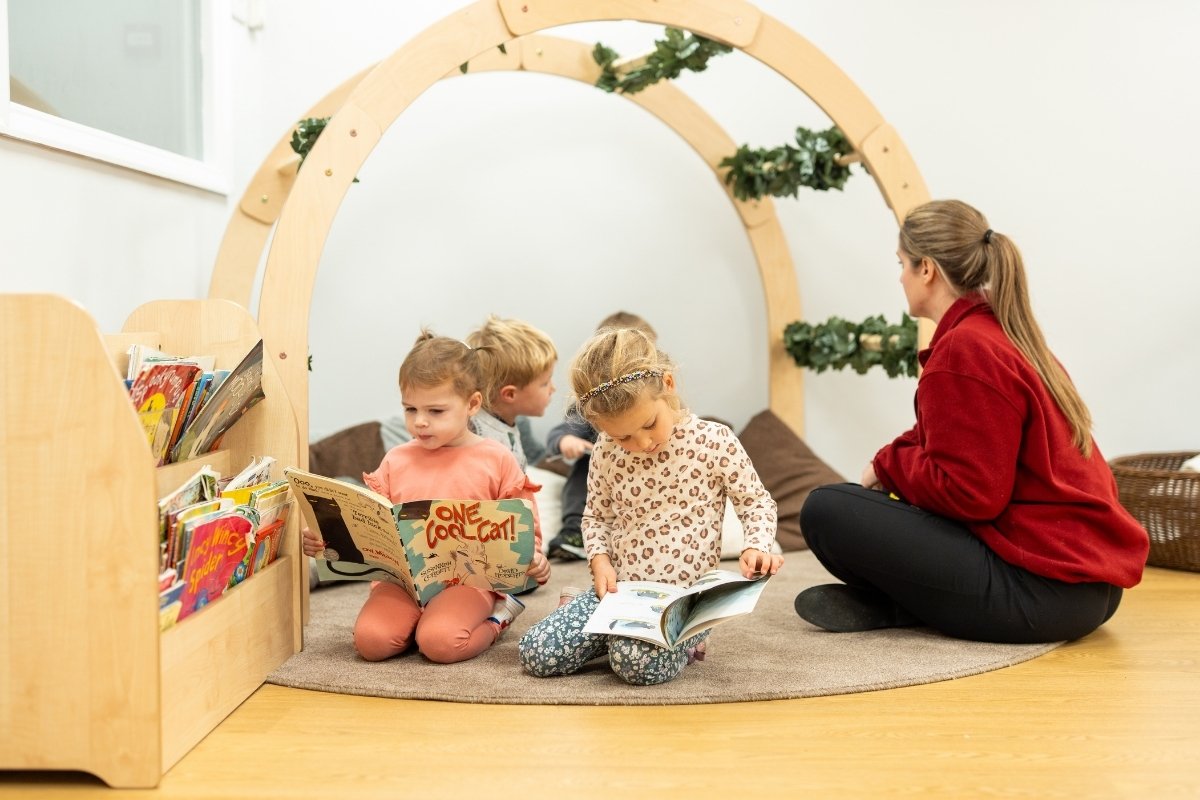
Visit your local library
This is a great and cost-effective way to introduce new books to children and let them follow along with a wealth of new printed words. The message that print carries meaning is important and prepares children for the new words they will encounter on their early years literacy journey. Local libraries often run free singing and storytelling sessions which are a great way for children to learn these skills in a social setting, as well as providing families with the opportunity to meet new people also.
Getting out and about
Different surroundings provide the perfect environment for different experiences and conversations. Children have the opportunity to make connections between books and the real world, e.g. “Look, a dog like in our reading book!” This deepens their understanding of both stories and real world experiences. Outings also introduce unfamiliar words through new surroundings and give families a wider range of experiences to talk about together, keeping shared stories and conversations engaging for both children and adults.
Making print part of everyday life
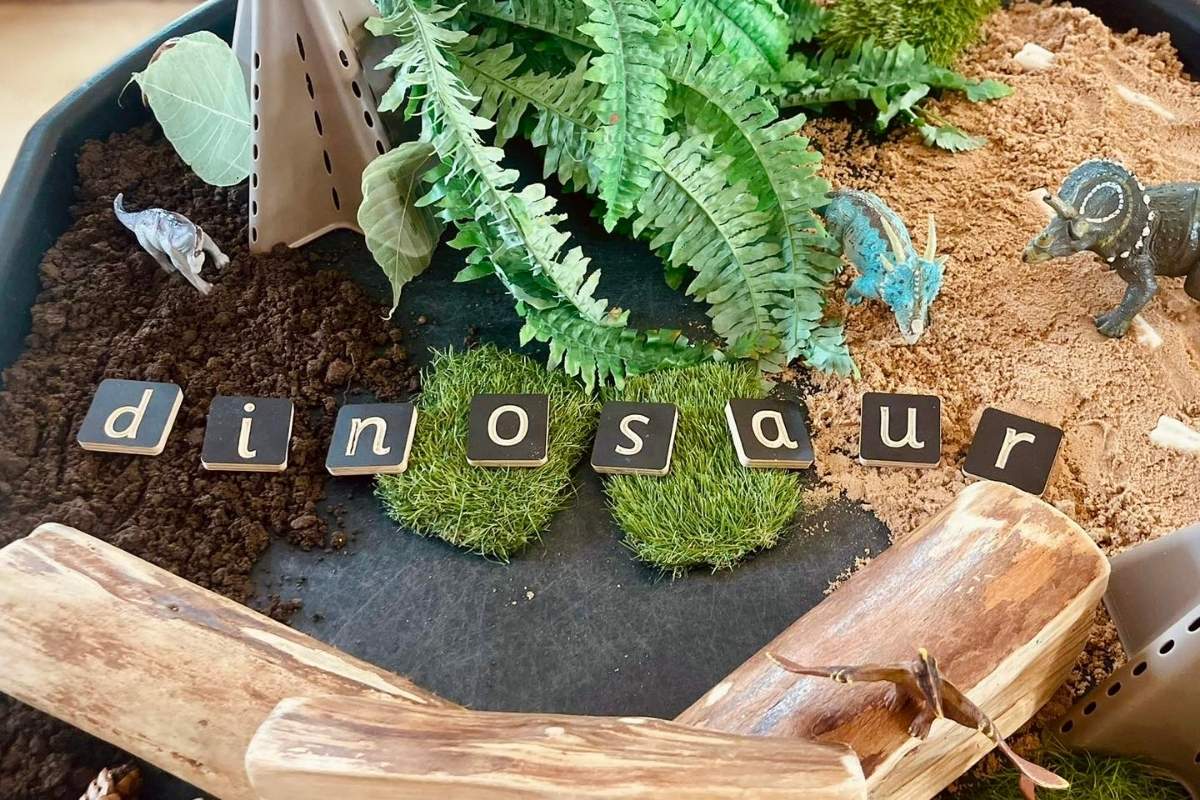
Reading signs on a walk, looking at words on books and toys and spotting letters on packaging are all great ways to learn about the meaning of print and build letter recognition. Talking about the shapes of these words and letters helps build recognition of how they are formed, in readiness for writing.
Asking open-ended questions
Open questions encourage children to consider their answers and explore their feelings, motivations and enjoyment of the world around them. This builds excellent foundations for early literacy skills as children intentionally choose the language they use to express themselves which strengthens comprehension, narrative skills and also critical thinking. Here is some inspiration for open ended questions:
What do you think might happen?
What would happen if…?
What can you see/hear/feel…?
What should we do next…?
Tell me about…?
What do you think about…?
Is there another way to do this?
Mark making skills
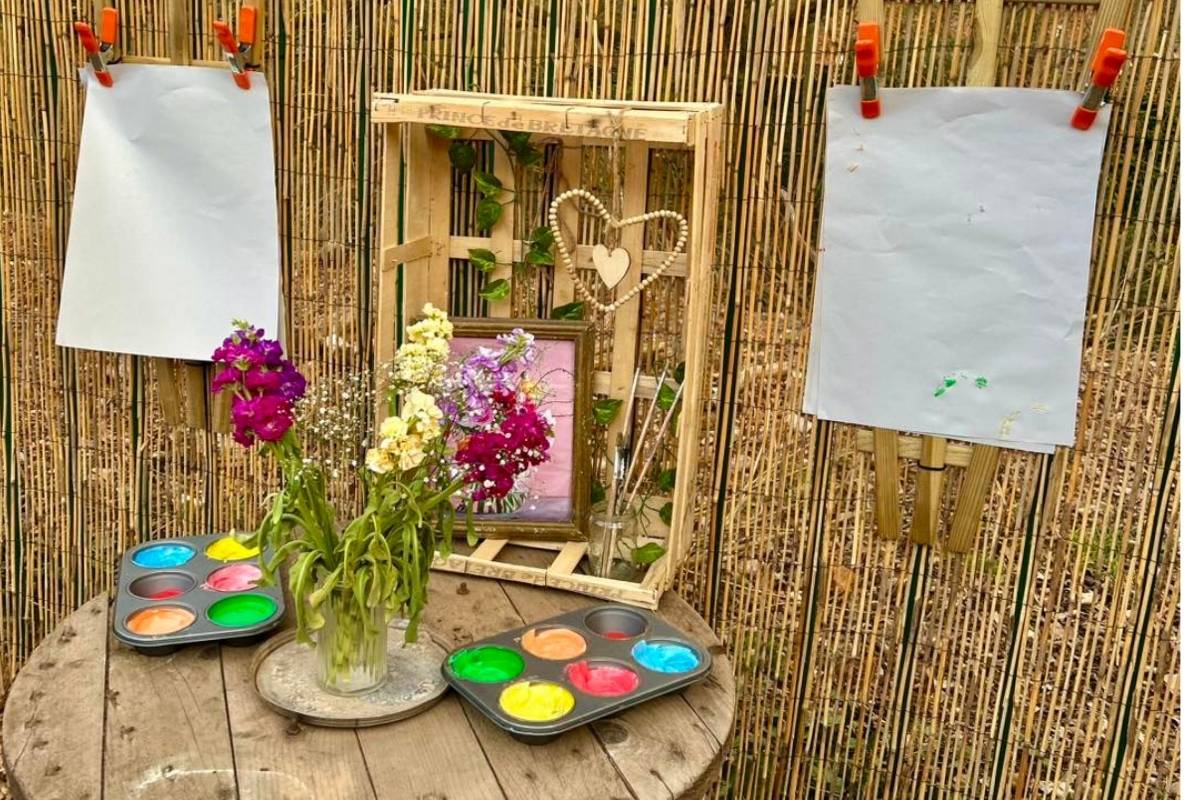
Scribbling with crayons, painting pictures, painting with water outside, drawing in the bath steam or with bath crayons are all great ways to build early writing foundations. Mark making play encourages children’s understanding that marks carry meaning and that words and concepts can be visually displayed. Mark making also encouraged fine motor skills and pre-writing skills needed for holding a pencil and forming letters whilst helping children to express ideas and build confidence.
Courtney Skeggs, Quality Communications Partner at Partou says:
“Reading opens doors for children in ways that last a lifetime. It fuels imagination, builds language, strengthens relationships, and gives every child the chance to see themselves and others in the stories they explore. When we make books visible, accessible and enjoyable every day, we’re helping them to fall in love with reading.”
Building early literacy skills at home doesn’t require special resources or formal teaching; it grows from the simple, everyday moments you share together. By weaving these small, simple practices into daily life, families can nurture children’s confidence, curiosity and readiness for reading and writing in the years ahead.
Build early literacy skills at your local Partou nursery
Search for a nursery
Search our nurseries by name, town, city or postcode.
Clocks Go Forward 2026: helping your child adjust to the spring clock change
From bedtime shifts to lighter evenings, the spring clock change can feel daunting when you have young children. Discover gentle, child-led ideas to help your baby or toddler adjust to British Summer Time, with practical tips for sleep, routines and nursery mornings.