Ofsted are making important changes to the way that they inspect and rate children's services and childcare settings; learn what these are and what they mean for families.
Who are Ofsted?
Ofsted is the “Office for Standards in Education, Children’s Services and Skills.” This is a government department which regulates settings for children such as schools, colleges and training providers. Ofsted “exists to keep children and learners safe, raise the standards of their education and care, and improve their lives.”
Ofsted strive to improve these services through inspections and deliver guidance in the form of reports. These reports are provided to inspected organisations and individuals and are publicly available on their website.
Early Years Education settings such as nurseries and pre-schools are also inspected and regulated by Ofsted to ensure quality provision of care in those important early years.
Ofsted’s aim is for every child to achieve, belong, and thrive. This sits at the heart of their inspection framework, which focuses on ensuring that settings create environments where this can happen, with a strong emphasis also placed on effective leadership, inclusion, and a positive safeguarding culture.
Why have Ofsted made changes to their inspections?
Following a review of their inspection and reporting framework, Ofsted recognised a need for change to deliver greater transparency to families and providers, improve standards and work more collaboratively with settings.
After Sir Martyn Oliver’s appointment as His Majesty’s Chief Inspector in January 2024, Ofsted conducted a “Big Listen.” This 12 week public consultation sought feedback on how to improve inspections from professionals, children and learners, parents, carers and the public.
Ofsted received 16,033 responses providing vital feedback on four key areas; Ofsted’s culture, inspection practice, reporting and the impact of inspection. This feedback has been listened to and used to make a number of significant changes to the way that Ofsted inspection methodology and areas and report formatting.
These changes aim to provide greater transparency about providers’ successes and areas for improvements, foster a great working relationship between Ofsted and settings and ultimately create better outcomes for children and learners, particularly those that are disadvantaged or have special education needs (SEND.)
What are Ofsted changing?
The key changes in place from November 2025 are:
New inspection report cards – provides detailed information on important evaluation areas including strengths and areas for improvement.
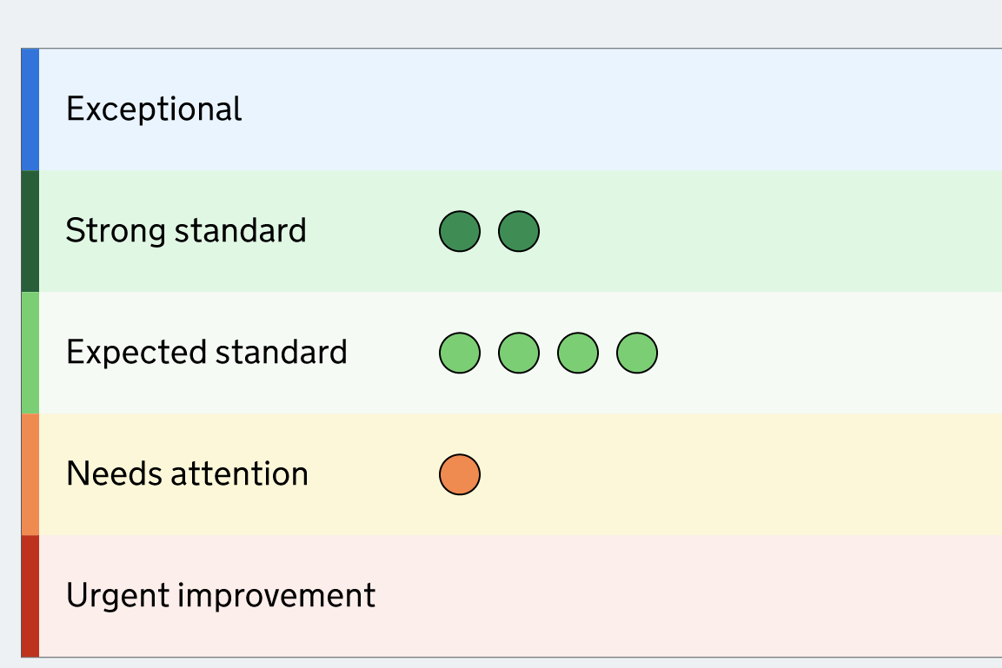
New 5-point grading scale – Ofsted are moving away from the one-word judgement, and each evaluation area will be rated on the 5-point scale individually. This now includes a new “Exceptional” rating as requested by parents.
Amended evaluation areas which have a greater focus on safeguarding and inclusion and ensuring that settings and providers meet the needs of all children, including those from disadvantaged backgrounds and with additional needs
Increased frequency of inspections – nurseries and childminders will move from a maximum of 6 years between inspections to 4 .
Ofsted will continue to focus on the curriculum in their inspections and these changes aim to reduce pressures on providers, improve collaboration and ensure standards remain high to give children and learners the best opportunities.
How are the Ofsted evaluation areas changing?
The previous Ofsted evaluations areas were:
Overall effectiveness
The quality of education
Behaviour and attitudes
Personal development
Leadership and management
These are now:
Inclusion – evaluates whether settings provide high quality care for all children, especially those with special education needs (SEND), from disadvantaged backgrounds and those known to social care.
Curriculum and teaching – assesses whether all children are provided with a high-quality curriculum and the planning and implementation of this.
Achievement – reviews the progress children make from their individual starting points across 7 key areas of learning and development and whether all children are supported so they are ready for the next stage of education.
Behaviour, attitudes, and establishing routines focus on how providers support children’s learning, development, and care by helping them build positive behaviours and form good habits that prepare them for future learning.
Children’s welfare and well-being – measures how the setting provide the care and support children need to thrive.
Leadership and governance – considers the commitment of leaders and governors to provide high standards of education and care to all children, particularly children who are disadvantaged.
Safeguarding will be included on the report and will be judged as either “met” or “not met” with recommendations given if required.
How are the Ofsted gradings changing?
There are significant changes to the Ofsted grading system which have been devised following feedback from parents and education professionals. The previous Ofsted gradings were:
Inadequate
Requires Improvement
Good
Outstanding
As of 10th November, the gradings change to make inspections clearer, fairer and more transparent. The movement away from a one-word judgement to summarise the setting as a whole gives greater insight into the quality of care provided across the different evaluation areas and provides additional context without lowering expectations. Each evaluation area is rated on the following scale:
Exceptional
Strong standard
Expected standard
Needs attention
Urgent improvement
Expected standard is the starting point for all inspections which helps to ensure a consistent and fair approach across settings and inspectors.
What will the new Ofsted inspection report cards look like?
The new Ofsted report cards have been developed to provide families with more detail and context about performance.
The ‘at a glance ratings’ show how many areas of evaluation fall within each section on the 5-point grading scale:
The report contains further commentary on each of the evaluation areas and the grading it has received, including celebrating strengths and giving clarity on areas for improvement.
The mobile version of the report contains the same information as the desktop version and has been optimised to be clear across all devices.
Families were invited to give feedback on the new look report card via an independent YouGov poll and nearly 9 out of 10 said that they find them easy to understand.
This video contains more information on reading the new Ofsted report card:
Are there changes to the frequency that settings are inspected by Ofsted?
Yes, prior to these changes, settings and providers that were rated “Good” or “Outstanding” weren’t reinspected for another 6 years. From April 2026, that’s being reduced to 4 years between inspections for any settings rated as meeting “Expected standard”, “Strong standard” or “Exceptional” in any of the evaluation areas. This means that settings receive more frequent inspections to give a truer picture of changes and provision of care. Nurseries that don’t meet the expected standards will continue to be inspected within a year of their previous inspection.
What do the Ofsted changes mean for parents and families?
The Ofsted changes are great news for parents as they give more detailed information about the ratings and areas of evaluation whilst providing clear and accessible reporting which contains more useful information. This allows families to review a provider’s report in detail according to the evaluation areas that matter most to them individually.
Focusing on inclusion ensures that the care provision is improved for all children and fosters an accessible and inclusive environment which aids children’s development.
There is an increased emphasis on children’s holistic outcomes, including their happiness and well-being, which form a part of children’s personal, social and emotional development, which is vital for our children, as this forms the foundation of all future learning.
Families will also benefit from an improved collaboration between Ofsted and providers as this helps with team members well-being and encourages continuous improvement and focus on great outcomes for all children.
“The changes to Ofsted inspections are a great improvement, making the process clearer, fairer, and more transparent, while providing families with more meaningful information about the setting.”
Courtney Skeggs, Quality Communications Partner at Partou.
Market Harborough nursery chef nominated for national award
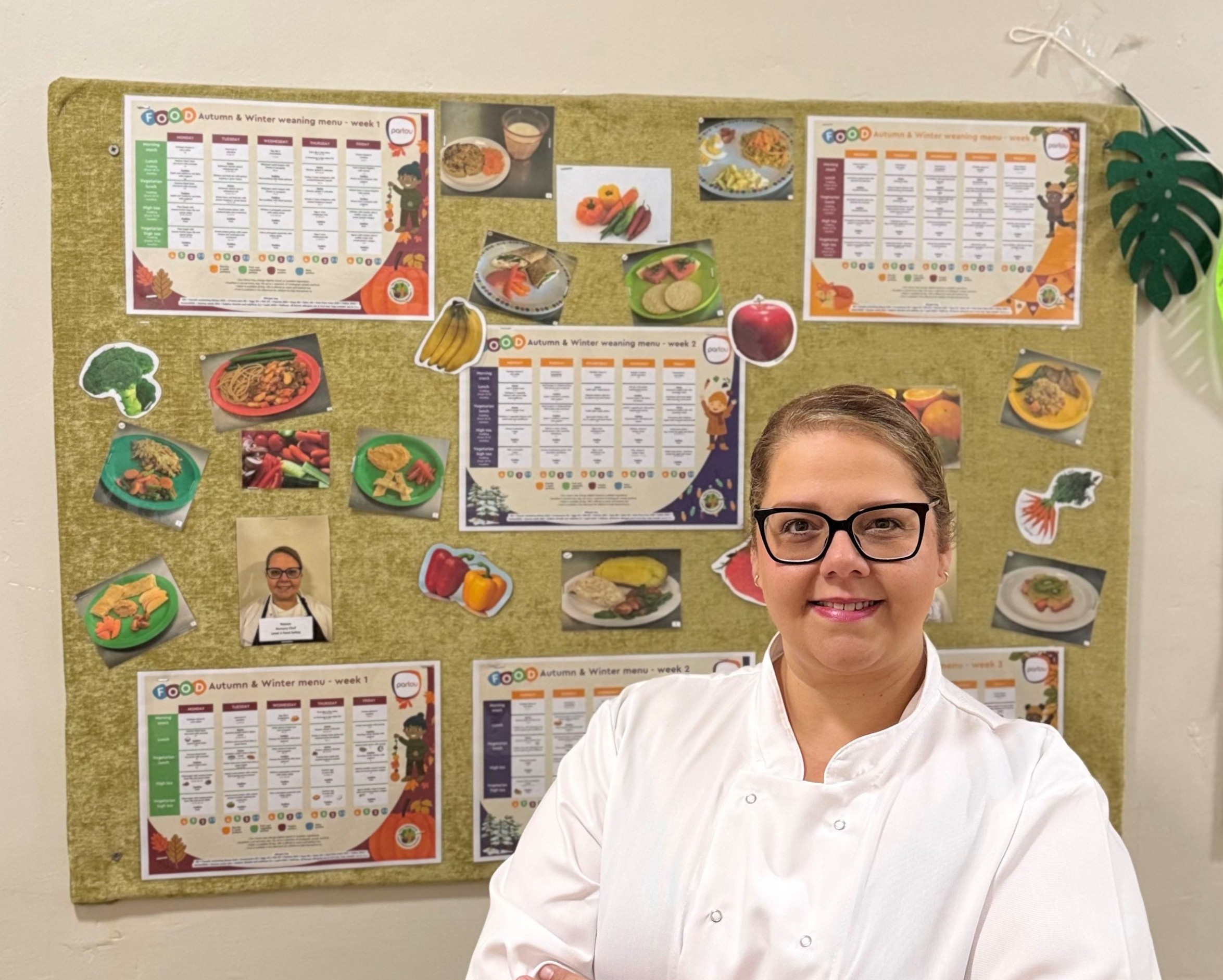
Naiane Serafin Godinho, Nursery Chef at Partou Progress House in Market Harborough, has been shortlisted for Chef of the Year at the National NMT Nursery Awards 2026.
Nursery Manager Nina Halls shares what makes Nai's passion for early years nutrition stand out.