The Effective Provision of Pre-School Education (EPPE) study conducted a few years ago declared the early years in childhood, so important that the government vowed to support access to an education for all 3- and 4-year olds, and some 2-year olds too, to give children the best start in their education. All 3- and 4-year olds are entitled to 15 hours a week of government funded early years education for 38 weeks of the year. However, how this funding is provided and recommended guidance can differ depending on your local authority.
Whilst it’s not compulsory, early childhood education can have a wonderful impact on your child’s development. Enrolling your child in some form of early learning prepares them for future schooling as well as teaches them foundation skills to support writing and reading, how to communicate, express themselves, make healthy choices, develop independence, share experiences and most importantly, develop relationships and make friends! These skills build the very foundations for what is needed to become a caring and responsible grown-up.
Importance of early childhood education
Early childhood education provides a bridge between the caring and nurturing and learning experience your child receives as a baby and young child in a nursery/preschool and their continuing learning journey when they enter into a school setting.
Of course, you may choose to keep your child at home with you until they absolutely have to go to school at the age of 5 in order to spend as much quality time with them as possible. Whilst this is understandable, early childhood education is so important and can be hugely beneficial on your child’s development. Even 15 hours a week is shown to be hugely beneficial for children.
What should it involve?
Nurseries and preschools around the UK may operate slightly differently, however, all early childhood education providers should follow the standards set by the Early Years Foundation Stage (EYFS). This framework states certain areas of learning that should be given, these are;
- communication and language
- physical development
- personal, social and emotional development
- literacy
- mathematics
- understanding the world
- expressive arts and design
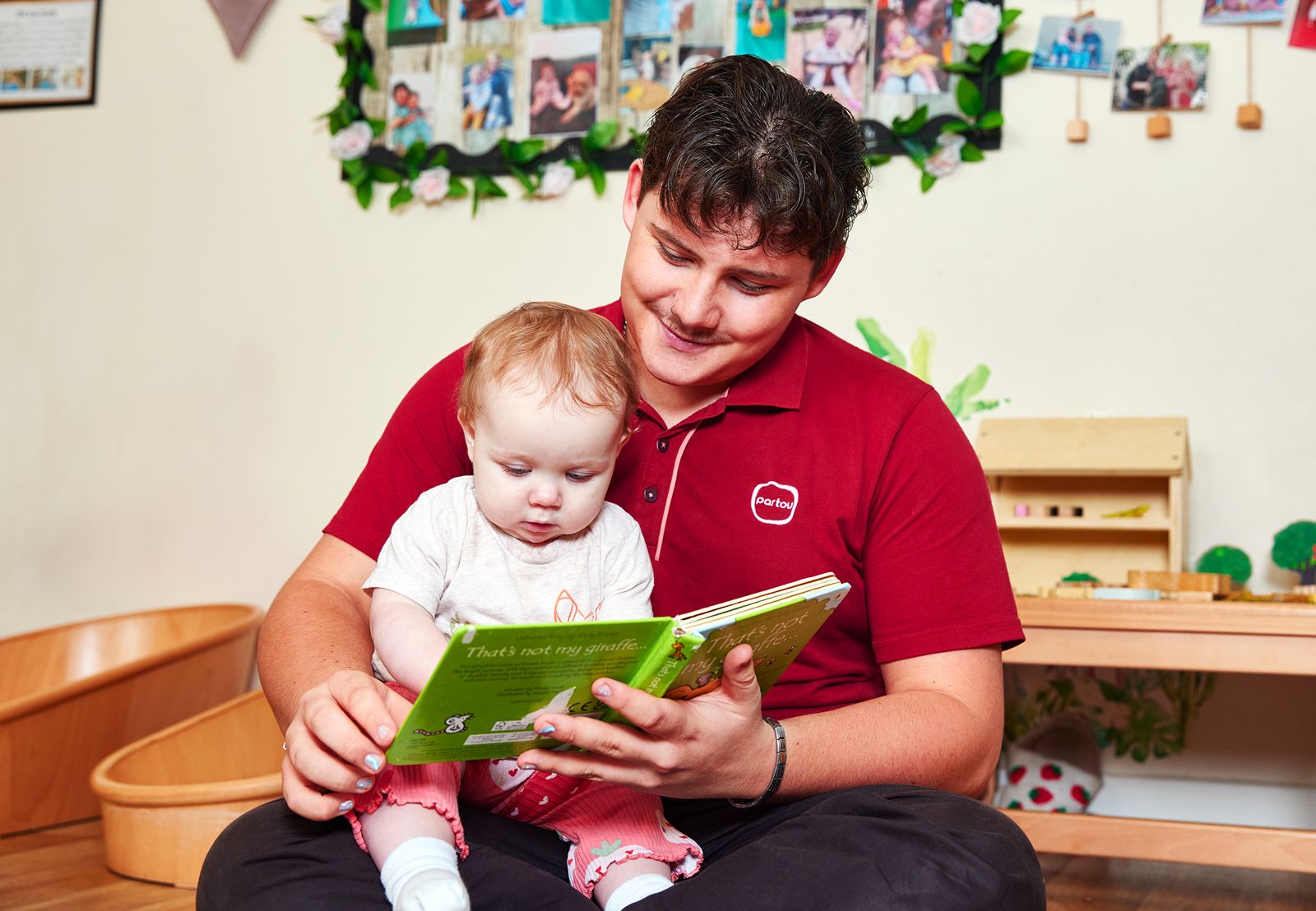
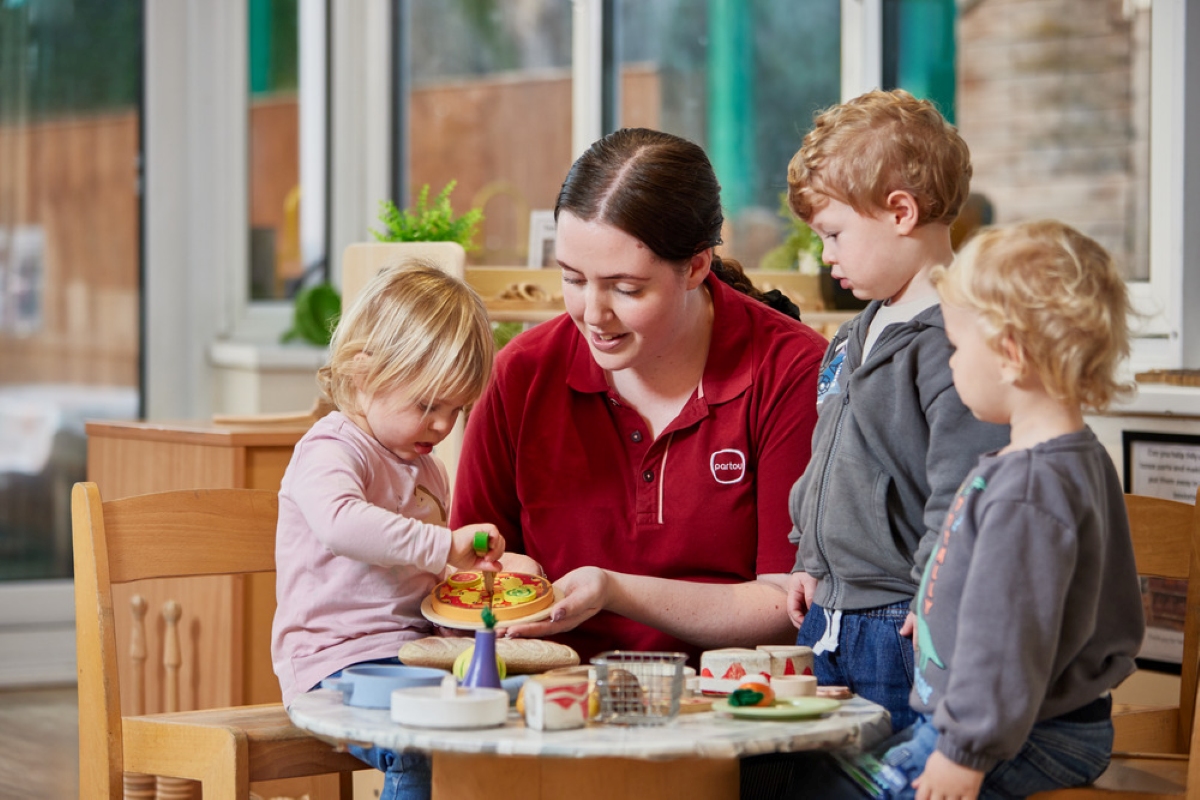
Early childhood education settings should also provide a safe, secure and stimulating environment under the supervision of fully qualified staff and abiding by current health and safety guidelines. As well as introducing basic maths and literacy skills, there should be an abundance of play. This allows children to explore their curiosities, fuel their imagination, develop social and communications skills by interacting with other children, in the specially designed environment, supported by knowledgeable and experienced staff who understand what children are interested in. Staff use this knowledge to support further children’s learning experiences.
At Partou, we ensure our approach meets these guidelines and provides the best possible chance for your child to grow and develop.
Main benefits of early childhood education:
- Supports developing relationships and interaction with other children – developing social skills and learning to share is a key stage of development – one that’s learnt through trial and error and experience.
- Builds self esteem and independence– developing through experiences to support children’s growing confidence and autonomy.
- Takes pressure off parents – nursery staff undertake training to support the learning and development of children in our care and we see it as a joint experience working in partnership to support children learning both at nursery and with parents/ carers at home
- Fuels creativity and encourages curiosity – through play, exploration and fun activities based on what children already know, what they are interested in and passionate about.
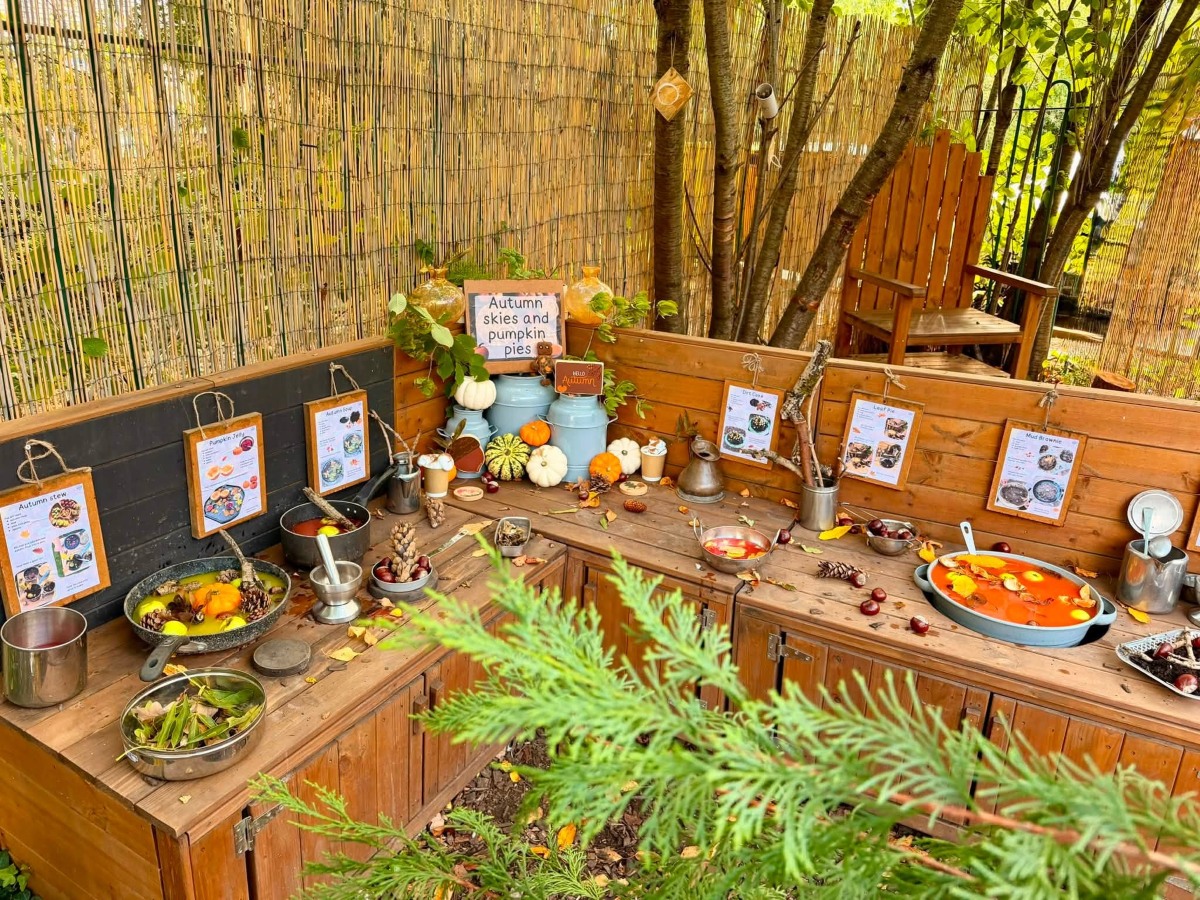
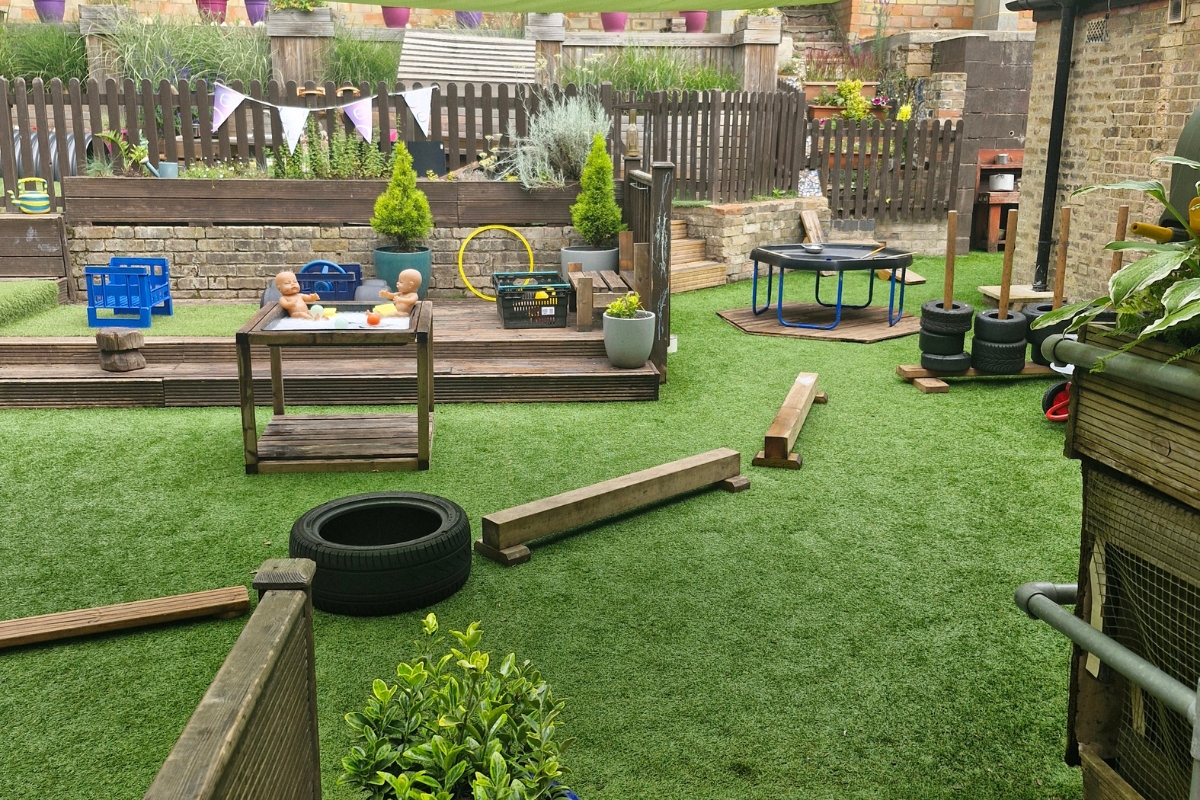
- Opportunity to experience a different environment – exposes children to places outside of their home and what they know in preparation for the future. Nurseries provided specialised equipment and activities that most family homes couldn’t possibly have space for
- Prepares your child for school – builds further on the foundations of learning at home. Through teaching and learning at nursery, children will continue at school in their education.
Partou understand the importance of early childhood education and how it can improve your child’s development. That’s why we provide the best place to do so, up and down the country with fully trained staff and fantastic facilities. Get in touch for more information.