From cooing family members to bustling coffee houses, babies and young children are frequently exposed to a variety of different people and environments. For a young child, all the unfamiliar sights, smells and sounds can be overwhelming. Maybe even a little bit scary! That’s why it’s really important to incorporate sensory play into your child’s everyday routine to help them adapt to real-life situations and cope with changes in their environment. More importantly, teach your child how to enjoy their surroundings.
Importance of sensory development in early childhood
Aside from preparing your child for everyday encounters throughout their life such as trying different foods, getting new toys or coming into contact with animals, sensory play is crucial for their brain development and cognitive growth.
In early childhood, children are aware and take in the environment around them when their senses are engaged. Sensory development goes hand in hand with other early childhood education activities such as physical development, expressive arts and design and overall personal, social and emotional development.
Sensory development should play a significant role in your child’s preschool experience, if not earlier, and should always be included in the curriculum of a childcare setting. These sensory reactions are often used to monitor milestones in early childhood development. For example, if your child doesn’t achieve these behavioural and physical checkpoints, it may be an indication that your child is having trouble processing and understanding their environment. In this instance, further tests and examinations could be carried out by a child psychologist in order to determine whether your child requires extra support.
Types of sensory play
Sensory development differs at each stage of early childhood. This is simply because your child’s brain develops at a certain rate and requires a different level of similarity at different times. For this reason, sensory play activities should be tailored to your child’s age and needs.
Sensory play for different ages includes;
- Babies – watching bubbles be blown and float through the air/make contact with their skin, scrunching coloured paper to experience texture and noise.
- Toddlers – watching shadows be created on the wall by a torch, observing colours and patterns through finger painting.
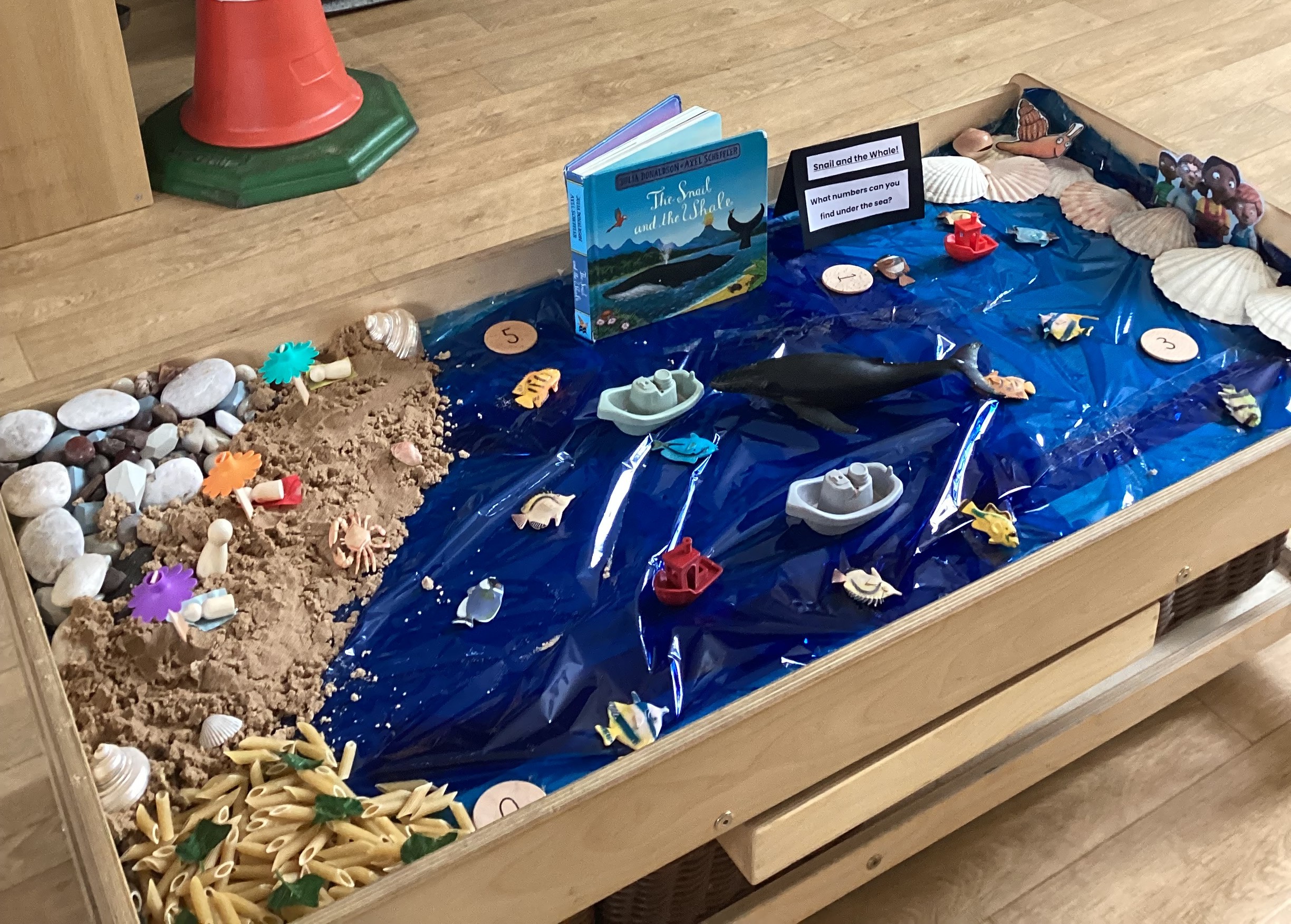
- Pre-school age – playing with a sand or mud kitchen to create shapes and feel textures, playing music instruments to hear different sounds and tones.
Sensory play has many benefits…
- Helps your child process and understand their senses so that they can complete more complex tasks.
- Supports language development, problem solving skills, cognitive growth, fine and gross motor skills and social interaction.
- Aids in developing and enhancing memory.
- Involves mindful activities which are beneficial for all children but specifically those that are anxious or frustrated.
- Helps to develop sensory attributes which are valuable particularly when it comes to food in determining different tastes and textures.
Partou incorporates sensory development activities into their everyday curriculum to allow children to explore their curiosities, introduce new experiences and aid them in all aspects of their personal and educational growth. For more information about our nurseries, get in touch.