At Partou, we believe that what a child eats at nursery is every bit as important as what they learn there. The food we serve isn’t an afterthought — it’s a considered, expert-led part of every child’s day. Our menus are built from scratch, reviewed regularly, and designed to give every child the broadest possible experience of real, nourishing food from their very first meals with us.
Who develops our menus
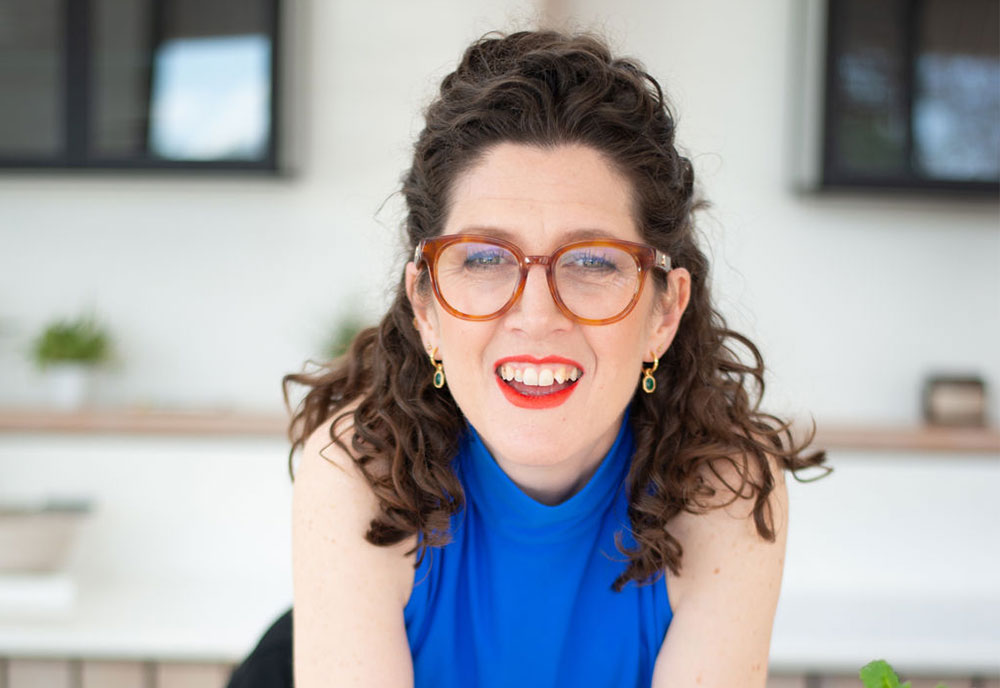
Our nursery menus are developed in partnership with Laura Matthews, a Registered Nutritionist (RNutr) and one of the UK’s leading experts in early years nutrition. Laura brings a wealth of experience working with nursery groups, local authorities, and settings across England, and she works directly with our kitchen teams to ensure that everything we serve reflects the very best in evidence-based practice.
From September 2025, the Department for Education’s (DfE) Early Years Foundation Stage (EYFS) Nutrition Guidance forms part of the EYFS statutory framework — meaning all early years providers in England must have regard to it as part of their safeguarding and welfare requirements.
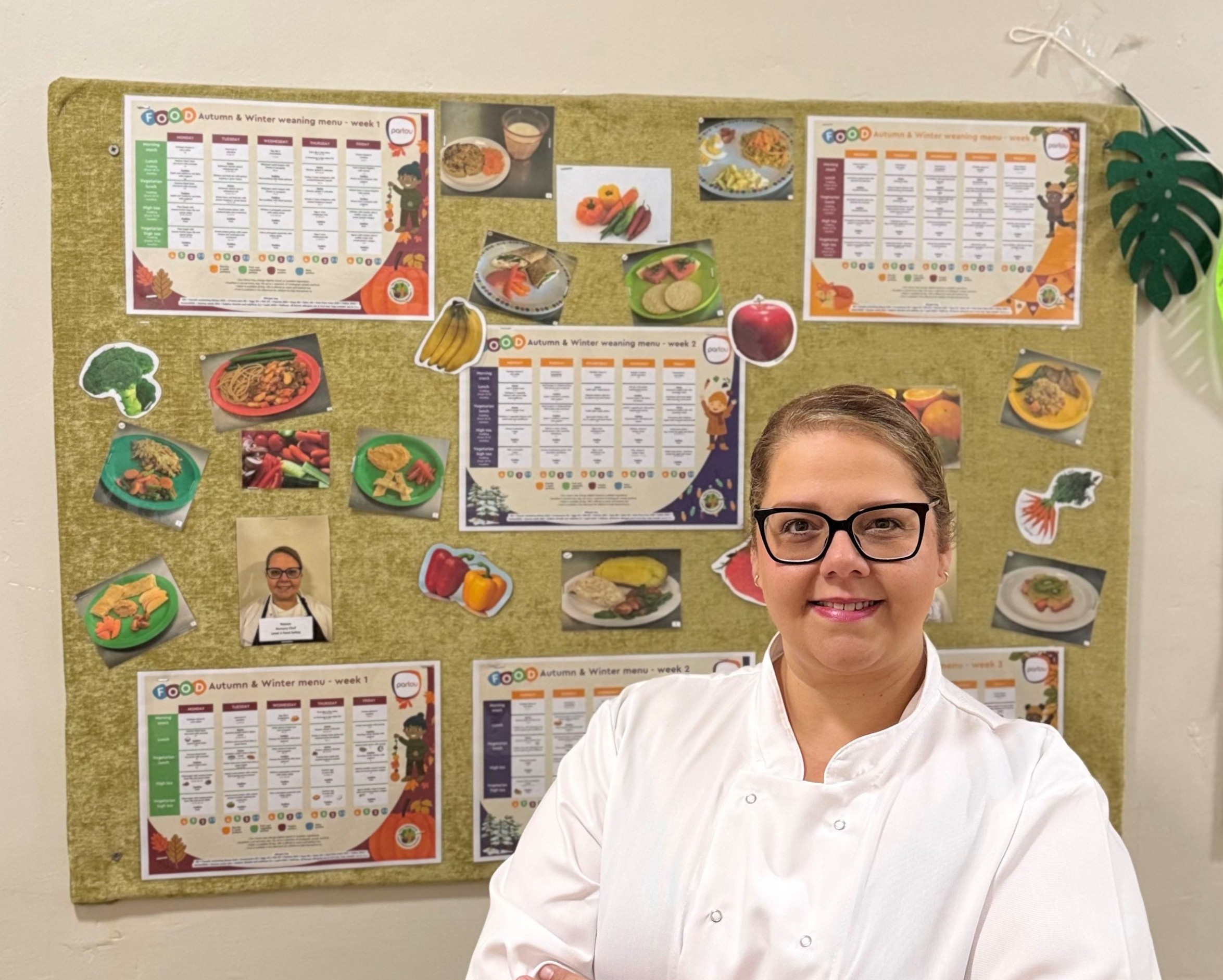
At Partou every menu is reviewed against the DfE’s EY Nutrition Guidance before it goes anywhere near a kitchen. That means checking that we’re providing at least one portion of vegetables or fruit at every main meal, that we’re offering wholegrain options across the week, that protein sources are varied and include oily fish, and that processed foods are limited to no more than once a week per category. It’s a thorough process — and it’s why parents can trust that every meal their child receives at Partou has been genuinely thought through.
How we plan across the seasons
Our menus change with the seasons — and that’s entirely deliberate. The DfE guidance recommends introducing new menus at least twice a year, specifically to bring in seasonal produce and give children the chance to try different foods. We build our menus around this principle because we believe it matters for more than just compliance.
Seasonal eating means fresher ingredients, better flavour, and a more interesting plate. It also means children are exposed to a genuinely varied range of foods across the year — strawberries and courgettes in summer, apples and root vegetables in winter. Over time, this builds the kind of adventurous palate that lasts a lifetime.
We plan out breakfast, lunch, tea and snacks — working to the DfE Early Years Nutrition Guidance to ensure the right foods are represented in the right balance across the day, that colours and textures vary, and that no single food group dominates. Variety is key — a wide range of different foods across the day and week is how children get the vitamins, minerals and nutrients they need to grow, develop and thrive.
We also draw from cuisines and flavour profiles from around the world. The DfE Nutrition Guidance specifically encourages this — and we think it’s one of the most valuable things a nursery can do. Children who encounter a variety of herbs and spices in a wide range of meals such as quesadillas or dhansak curry, as well as familiar favourites such as shepherd’s pie and fish pie are developing cultural curiosity alongside their appetites.
How we cater for every child
No two children are the same — and our menus reflect that. Allergen management sits at the heart of how we plan and prepare food at Partou, not as an add-on but as a fundamental part of how our kitchens operate.
We ask about allergies and dietary requirements before a child starts with us, and that information is kept up to date, shared with all relevant staff, and built into how we prepare every meal. We follow the Food Standards Agency’s guidance on allergen management — including separate preparation areas, colour-coded equipment, and clear labelling — and we have allergy action plans in place for every child who needs one. There are 14 common allergens identified in UK food law, and our teams are trained to recognise all of them, understand cross-contamination risks, and respond appropriately if a reaction occurs.
Beyond allergies, we cater for a wide range of dietary needs as standard: vegetarian, vegan, pescatarian, gluten-free and more. We don’t treat these as exceptions — they’re part of how we cook. Where we substitute an ingredient, we do so thoughtfully, making sure the replacement maintains the nutritional balance of the original meal. A child on a plant-based diet should eat just as nutritiously as any other child at the table, and our menus are designed to make that possible.
Portion sizes are guided by the child’s appetite rather than a fixed rule — we start with smaller servings and encourage children to ask for more if they’re still hungry, rather than ever pressuring a child to finish their plate.
Mealtimes at Partou are also social occasions. A child who won’t touch broccoli at home will may try it when they see their friends eating it. We create calm, unhurried mealtimes where children can explore food at their own pace.
A sample day on a Partou menu
Here’s a typical day from our spring/summer menu — showing how a full day of meals and snacks comes together for children aged 12+ months.
Breakfast – A selection of wholegrain cereals, milk and fruit
Morning snack – Banana and ricotta smash on oatcakes
Lunch – Starter: Raita dip with naan bread Main: Chicken curry with rice and mixed vegetables (vegetarian: cauliflower curry with rice and mixed vegetables)
Afternoon snack – Fruit, milk and water
High tea – Main: Jacket potato with coronation chicken and cucumber side salad (vegetarian: jacket potato with Quorn coronation chicken and cucumber side salad) Dessert: Fruit
Drinks throughout the day: Fresh tap water, always available. Whole milk or unsweetened calcium-fortified plant-based alternatives are served at snack time and tea.
Every day follows this two-course structure at both lunch and tea. A starter, side or second dish adds another opportunity for vegetables, dairy or fruit, and it means children who don’t eat much of their main course still get something nourishing offered to them. A second dish at Partou always includes fruit, vegetables or yoghurt — dairy or plant-based — and may combine more than one of these together.
Do nursery menus follow official guidelines?
Yes — and from September 2025, all early years providers in England must have regard to the DfE’s Early Years Nutrition Guidance. At Partou, our menus are developed by Laura Matthews, a Registered Nutritionist and reviewed against this guidance as standard. That means every meal we serve is checked against specific food and drink guidance covering what to provide, what to limit, and what to avoid entirely.
How do I know if a nursery’s food is healthy?
The most reliable indicator is whether the nursery works with a qualified nutrition professional, publishes its menus transparently, and can explain how those menus are planned. At Partou, we share our menus with parents in advance — including allergen information — and we actively welcome questions about what we’re serving and why. If you’d like to see a full menu, just ask a member of staff.
Why do children often eat more variety at nursery than at home?
The short answer is: other children. Eating is social, and toddlers are highly influenced by what they see their peers doing. A child who flatly refuses a food at home may try it at a nursery table when everyone around them is eating it. We lean into this deliberately — our mealtimes are calm and unhurried, our staff eat with the children where possible, and we never pressurise children to finish their plates. Curiosity does the rest.
At Partou, mealtimes are a considered, joyful part of every child’s day — and one we take as seriously as any other aspect of their care and development. The early years are a crucial time for building healthy eating habits that last a lifetime, and we’re proud to play our part in that.
Find your local Partou Nursery
Search for a nursery
Search our nurseries by name, town, city or postcode.