

Understanding the Ofsted inspection changes
Ofsted are making important changes to the way that they inspect and rate children’s services and childcare settings; learn what these are and what they mean for families.


When you leave your child at nursery, you are trusting us with someone who matters most to you. That trust has to be earned by us every single day.
Safeguarding in early years is not a policy document that lives in a folder. Safeguarding means the culture we create and the actions that we take every day to protect children from harm, promote their welfare, and create an environment where they feel safe, heard, and valued. It is a central part of the culture that exists in each of our nurseries.
This page explains exactly what safeguarding means at Partou and what we do, in practice, to protect every child, your child, in our care.
At Partou, safeguarding is what we do every day to put the rights and best interests of children first. It’s the policies, procedures and team member behaviours, in practice, to protect children from harm and make sure they’re safe to give them the very best start in their early years education.
Safeguarding involves many elements such as:
Child protection is about how we identify if a child or family needs help, the support we give to them, and how we manage the process of ensuring they are safe.
Our recruitment and ongoing suitability checks are underpinned by rigorous policies and procedures that ensure every member of our team is equipped to keep children safe, every moment of every day.
Children have a fundamental right to be protected from harm. Beyond that right, there is a simple truth; children learn best when adults create an environment where they feel safe. Meeting children’s basic needs, including the need for security, is the foundation on which everything else we do in early years is built.
Safeguarding is a statutory requirement of the Early Years Foundation Stage (EYFS) framework and, at Partou, our aim is that we go far beyond what compliance alone requires.
Every nursery has a trained Designated Safeguarding Lead, and safeguarding is a standing agenda item at every team meeting across all our settings. It’s a responsibility we return to again and again because children’s safety is a continuous commitment and must be at the forefront of all our decisions.
‘Safer recruitment’ is a critical element of safeguarding, and it begins long before a new team member walks into a nursery room. Safer recruitment is a term used to refer to the process we follow in hiring team members in a carefully considered way, taking extra steps to ensure team members are suitable to work with young children.
Here’s an overview of the steps we take to recruit safely.
Where a candidate already holds a valid DBS certificate, we check the update and also ask to see the original certificate, so we can review any cautions or convictions in full.
Sometimes, when our Partou team members are unexpectedly off work, we may need to rely on agency team members. The agency team members we use are subject to the same, rigorous recruitment and background checks and these are carried out by the agency that places them with us. We require confirmation of those checks before any agency team member works in a Partou nursery.
Once a new team member joins us, the safeguarding process does not stop.
Probationary reviews at three and six months, regular check-in meetings with the nursery manager, alongside ongoing peer observations help ensure that new team members are consistently demonstrating the behaviours, judgement and professionalism needed to keep children safe. This means that from day 1, we actively set the tone with our team members on the importance of safeguarding so they too can embed a proactive culture of care and put children’s best interests first.
Safer recruitment covers the point of hiring a team member. Ongoing suitability is about everything that comes after.
Everyone’s personal circumstances change over time and what happens in our personal lives can impact how we ‘turn up’ to work. Have you ever been ‘stressed out’ or worried and taken that out on someone you care for? We know that this risk could present itself in an unintended way when caring for children, which is why we take steps to prevent this.
At Partou, team members sign into work each day and are asked to confirm that nothing in their personal circumstances has changed that would affect their suitability to work with children. This is not a formality. It is a daily, documented commitment.
Nursery managers know their teams well. When someone comes in and is not quite themselves, when something seems different, it matters. Our Nursery Managers talk to team members about their health, their wellbeing, and any changes in their home lives that we need to know about. Suitability is not just about what someone does at work. It is about understanding the whole person to make sure they can uphold the safe, nurturing environment our children depend on.
That includes recognising situations that might affect someone’s ability to protect children. These are sometimes sensitive conversations, and they are always handled with care. The reason they happen is straightforward: we cannot reasonably expect a team member to identify and respond to harm in others if they are potentially in unsafe or harmful situations, where they need support themselves.
Performance management processes, including one-to-one meetings, team meetings, and nursery manager observations, are also designed to keep safeguarding front of mind. Safeguarding is not a separate conversation from the rest of how we manage and support our people. It is central to all of them.
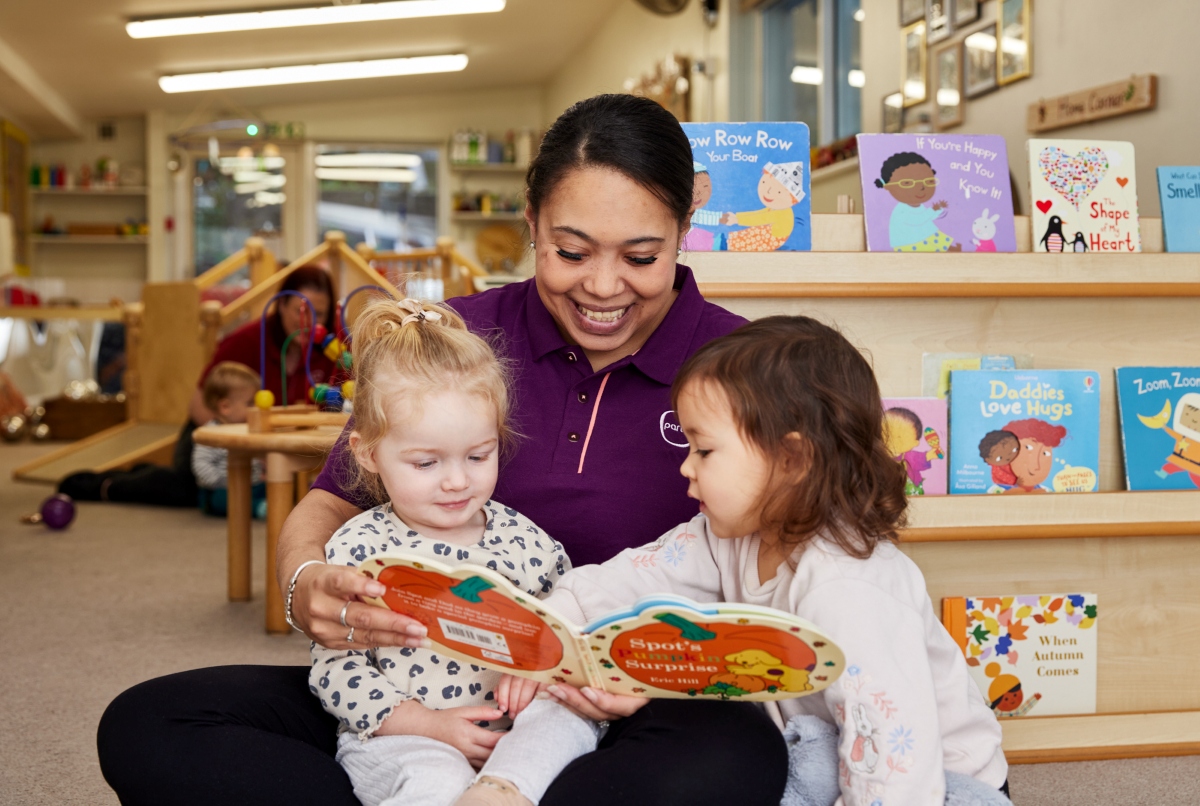
Physical safety at Partou is managed through a combination of daily checks, risk assessments, secure entry systems, and constant vigilance.
Nursery managers conduct environment walk-arounds twice a day, morning and afternoon. These risk assessments are adapted to each individual nursery, and daily checks cover specifics such as fire exit clearance, trailing cables, indoor and outdoor play equipment. Where an accident or incident occurs in a particular area of a nursery, the risk assessment for that area is reviewed and updated for ongoing checks to ensure continued safety.
Every Partou nursery operates with locked doors, intercom, and access controls. If you are visiting a nursery for a tour for example, you will be asked to bring photographic ID with you as are any contractors carrying out work in the buildings. This is checked and recorded on arrival on a sign-in sheet with times of arrival and departure. Visitors, including families on show rounds, are asked not to use phones on nursery premises and team members are required to sign their phones in and out of a secure place in the nursery. This applies to everyone without exception, and protects children, team members, and visitors alike.
CCTV is in operation across many Partou settings. Where it is in place, footage is accessible to the nursery manager for spot checks and to support any investigation following an accident or incident. It is important to be clear about what CCTV is and is not: it is one layer of a wider safeguarding approach, not a replacement for it. The culture of safeguarding, the training, the daily reporting, and the vigilance of every team member cannot be outsourced to a camera; people, policies and processes are at the heart of our safeguarding culture.
Staffing ratios are always maintained in line with EYFS statutory requirements ensuring children have access to supportive adults at all times.
We know that babies are particularly vulnerable because they cannot yet use words to tell us how they feel or if they feel unsafe. That’s why team members working with babies complete specialist training covering child development, care routines, interactions, and the prime areas of learning, ensuring that the most prepared practitioners are caring for our youngest and most vulnerable children.
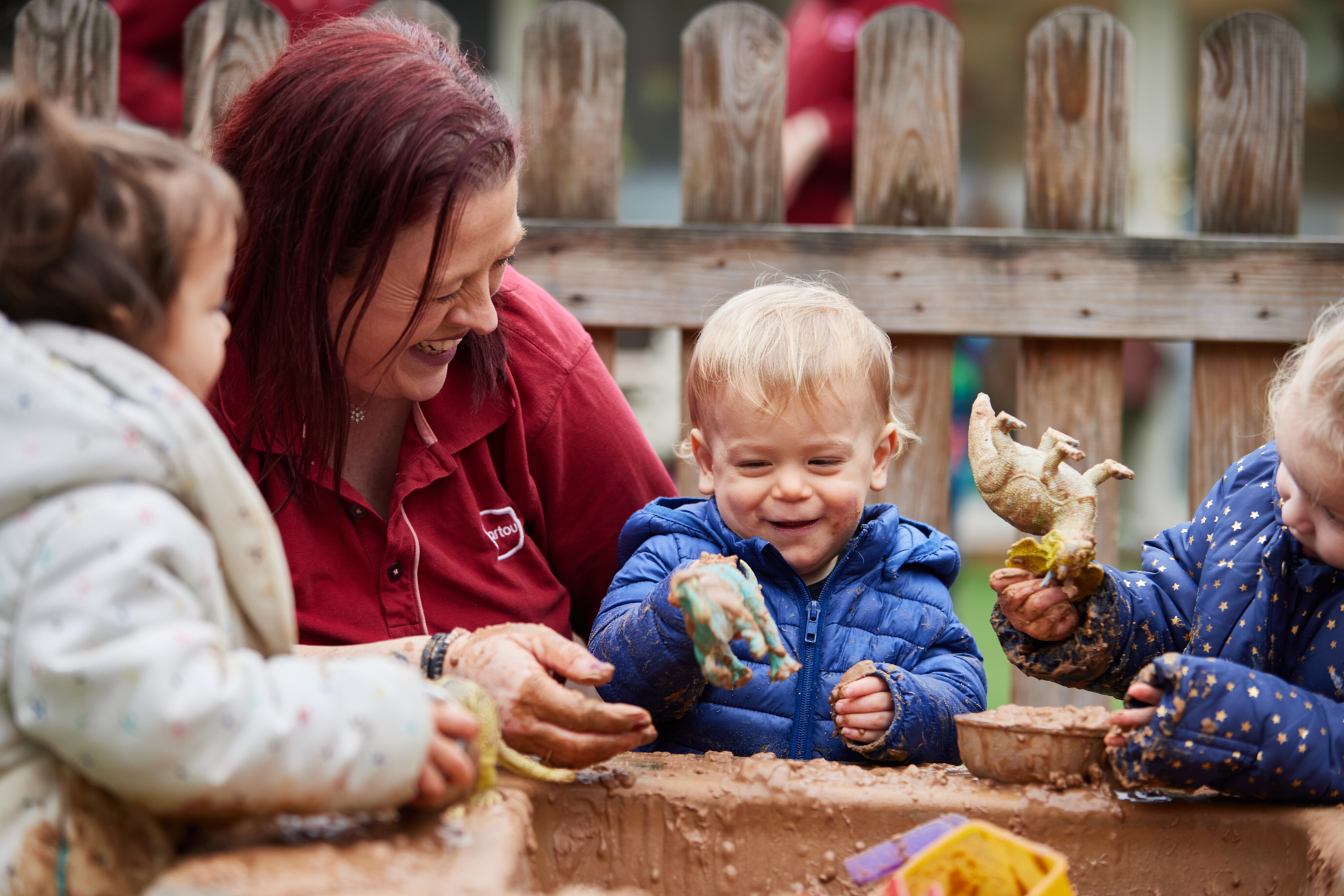
No team member at Partou works with children before completing safeguarding training. It’s not just something we aim for, it’s a requirement, from day one.
On their first day, before entering a nursery room, every new team member completes basic safeguarding training. From there, any team member working directly with children completes enhanced Partou Safeguarding Excellence, a programme that brings together the full range of safeguarding requirements. This includes safer sleep and the Prevent Duty (a part of UK safeguarding law focused on preventing people, especially children, on being radicalised). This is completed within the probationary period and renewed on an annual basis thereafter.
Face-to-face safeguarding training, delivered by the relevant local authority, is also part of the training framework, particularly for Designated Safeguarding Leads (DSL). Partou works with over 40 Local Authorities, each with its own safeguarding partnership board and local referral procedures. DSL-level training ensures our senior team members understand not just Partou’s policy but the specific requirements of the local authority they work within.
If team members progress into more senior roles, including room leader, deputy manager, and nursery manager, they receive advanced Designated Safeguarding Lead training, equipping them to lead safeguarding practice in their setting, support their team, and manage the full range of reporting and multi-agency responsibilities.
Training at Partou is not a compliance exercise; it is an ongoing commitment to keeping children safe through confident, well‑trained and vigilant adults.
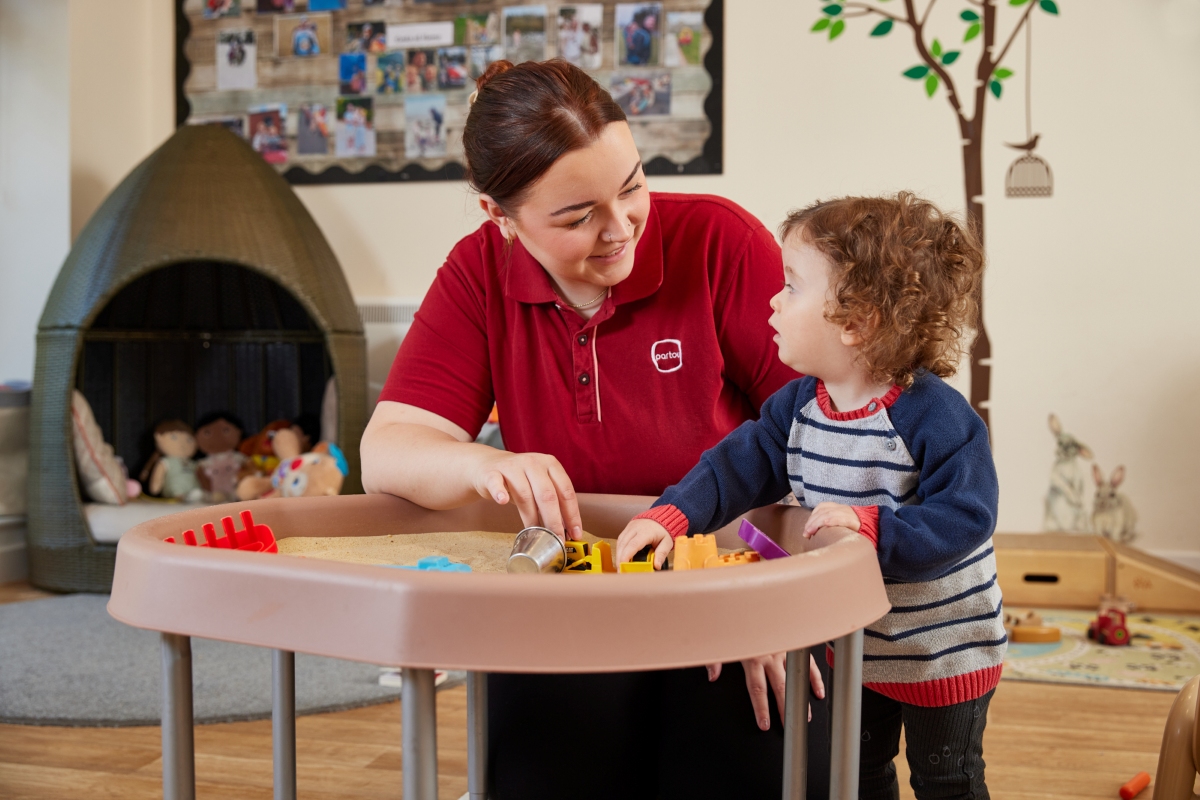
A Designated Safeguarding Lead (DSL) is a trained professional responsible for managing safeguarding concerns within the nursery. DSLs are responsible for:
They are the first point of contact for any concern raised within their nursery.
Every Partou nursery has a DSL, supported by deputy DSLs often made up by the management team, to ensure there is always someone available to respond to concerns in line with our policies and procedures.
We also have two Regional Designated Safeguarding Leads who are experts in child protection and safeguarding and provide advice, guidance and support to nursery DSLs and deputy DSLs.
DSLs do not operate alone. They work in conjunction with, and with the support of, their Area Manager, and with Partou’s Regional Safeguarding Leads, who are available to talk through concerns and advise on the appropriate course of action to ensure that all team members are supported to do the right thing at the right time. Every DSL, and indeed every single Partou team member, who believes a concern needs to be escalated has both the right and the responsibility to act on that belief.
Safeguarding is proactively discussed and is on the agenda at every team meeting in every Partou nursery, every time. This might mean reviewing a policy, discussing a case study from within or outside the organisation, or working through new guidance. It is always front and centre and helps to ensure children’s safety comes first.
When a concern is raised, whether by a team member, a family, or a child, a clear process follows.
The nursery DSL is informed and, where needed, can seek advice from Partou’s regional safeguarding leads before deciding on the next step. The two main referral routes are the MASH team (Multi-Agency Safeguarding Hub, the local authority’s children’s social care service) for concerns about a child, and the LADO (Local Authority Designated Officer) for any concerns about an adult working with children. Ofsted is also notified in line with statutory requirements regarding incidents at nurseries or concerns about team members.
Referrals are made in line with the Local Authority’s referral process and the Local Authority reviews the referral and responds accordingly.
Any Partou team member has the absolute right to refer directly to MASH or LADO, with or without prior advice or guidance from anyone else. Safeguarding decisions cannot be overridden internally. If a team member believes a child is at risk and that concern has not been acted on appropriately, referring directly to the relevant agency is not just permitted; it is expected.
Partou operates a whistleblowing policy, and team members are actively encouraged to report team members and also self-report if they feel they have behaved in a way that, on reflection, was not appropriate. That culture of openness is deliberate. It is not about punishment. It is about understanding what happened, providing the right support, and protecting children.
When you search for our nurseries on the Ofsted website, you may see “concerns” listed alongside our inspection reports. This is because we actively self-report any changes at the nursery that could affect our quality of childcare, such as any accidents or incidents that happen.
This evidences our commitment to safeguarding and continuous learning and how we collaborate with regulatory partners to ensure the safety of all children in our care. Nurseries that are self-reporting are nurseries that are paying attention and improving outcomes for all children. You can view our reports on the Ofsted website.
Even behaviours that are not an immediate safeguarding concerns are recorded and monitored at nursery level and reported centrally. If a pattern emerges across multiple observations or reporters, that pattern is taken seriously. Vigilance means reporting what you see – as this could be nothing, but it could also be something very important that others have seen too. This means team members don’t have to be ‘certain’ of something before reporting it, continually staying alert is what matters most.
Safeguarding at Partou is never handled entirely in-house. Multi-agency working is central to how child protection works in the early years sector, and Partou takes that seriously.
Partou works closely with Ofsted and local safeguarding partners, including Local Authorities and children’s services. We follow statutory reporting requirements, cooperate fully with external agencies, and contribute to multi-agency working to ensure the best outcomes for children and families.
Where a referral is made to the Multi-Agency Safeguarding Hub (MASH) or Local Authority Designated Officer (LADO), we follow the Local Authority’s process and respond to any guidance or requirements that follow. Where a family is already known to children’s social care, other agencies including health visitors, midwifery services, or family support workers may already be involved. Partou’s role in those cases is as one part of a broader picture, contributing observations and maintaining records as required.
Partou operates within the safeguarding partnership arrangements of all the Local Authorities that we work with. Designated Safeguarding Leads (DSLs) are trained in the specific referral procedures of their Local Authority, ensuring that when a referral is needed, it is made in exactly the way the Local Authority requires.
Good safeguarding practice is never static. It is reviewed, tested, and strengthened continuously.
At nursery level, that means daily conversations between team members and managers, safeguarding on the agenda at every team meeting, and managers who are trained to notice changes in their team as well as in the children they care for. At an organisational level, it means reviewing policy, attending training, and staying up to date with the latest guidance from Ofsted, the Depart for Education, and the Working Together to Safeguard Children statutory framework (updated March 2026).
Learning from incidents is as important as reviewing policy. At Partou, that means learning from our own practice and from significant cases and inquiries across the sector. When something goes wrong elsewhere, the question we ask is whether our practice would have prevented it, and, if not, what we need to do differently in the future.
Safeguarding is not something you can get right once and leave alone. It has to be constantly examined, questioned, and improved. That is what the best nurseries do, and it is the standard we hold ourselves to.
If you have a concern about any child’s welfare, including your own child, here is how to raise it.
Within Partou:
Speak to the nursery manager or Designated Safeguarding Lead at your nursery. Concerns can be raised in person, by phone, or in writing. If your concern involves the nursery manager, you can contact the area manager directly, or reach Partou’s central customer service team, who will ensure your concern is escalated to the right person. Our complaints policy provides helpful guidance on raising concerns.
If you wish to contact an external agency directly:
No family should ever feel that raising a concern is unwelcome. Partou operates an open-door approach to safeguarding. Every concern is taken seriously, recorded, and followed up.
A strong safeguarding culture helps families to choose a nursery with confidence and children to learn and thrive. At Partou, it is not a statement on a website or a policy in a folder. It is the work that every team member does every single day.
If you would like to see our safeguarding approach up close, visiting your local nursery is the best way to do it. Ask about our Designated Safeguarding Lead, our training, our safer recruitment process or anything else, we’ll be happy to talk you through these.
Search our nurseries by name, town, city or postcode.
Partou’s safeguarding measures include enhanced DBS checks and full employment history review for every team member, Designated Safeguarding Leads in every nursery, continuous safeguarding training from day one of employment, secure entry systems, daily environment checks, a whistleblowing policy, and a clear process for referring concerns to relevant external agencies such as children’s social care and the Local Authority Designated Officer (LADO).
Every Partou team member undergoes an enhanced DBS check. Successful candidates can start at our nurseries whilst a DBS check is underway upon receipt of two verified references. Where a candidate holds a DBS on the update service, we check the update and ask to see the original certificate. This is just one part of a robust recruitment process we have in place. We also carry out ongoing suitability checks to ensure our team members remain safe to work with children.
A Designated Safeguarding Lead (DSL) is a trained professional responsible for managing safeguarding concerns within the nursery. Every Partou nursery has a DSL, supported by deputy DSLs often made up by the management team, to ensure there is always someone available to respond to concerns in line with our policies and procedures. DSLs are responsible for safeguarding records, referrals to external agencies, team member training and vigilance, and multi-agency working. We also have two Regional Designated Safeguarding Leads who are experts in child protection and safeguarding and provide advice, guidance and support to nursery DSLs and deputy DSLs.
All team members based in nurseries complete basic safeguarding training on their first day and enhanced Partou Safeguarding Excellence training as part of their induction. This is renewed on an annual basis. Safeguarding is also discussed at team meetings and supervisions, to ensure knowledge remains current. Designated Safeguarding Leads receive additional, more advanced, training with the Local Authority aligned to their safeguarding partnership procedures.
If a concern is raised, it is responded to promptly. Our team members follow clear safeguarding policies and procedures. Safeguarding concerns are reported to our nursery’s Designated Safeguarding Lead (DSL). Where necessary, concerns are shared with external agencies, such as children’s social care, to ensure children are protected from harm and our families receive any support they need. Any DSL also has the right to refer directly to these agencies at any time if they believe it is necessary.
If you have any concerns, please speak to your child’s nursery manager and/or Designated Safeguarding Lead. You can also contact our customer service team. Partou encourages an open, positive safeguarding culture and will always take concerns seriously and respond appropriately.
CCTV is in operation across many Partou settings. Where it is in place, CCTV is used in accordance with data protection legislation. Footage is accessible to the nursery manager for monitoring and to support any investigation following an incident. CCTV works alongside Partou’s full range of safeguarding measures: it is one layer of protection, not a substitute for the training, culture, and vigilance of our team.
Multi-agency working is central to how child protection functions in the early years sector, and Partou takes that seriously.
Partou works closely with Ofsted and local safeguarding partners, including Local Authorities (LADO) and children’s services (MASH). We follow statutory Ofsted reporting requirements, cooperate fully with external agencies, and contribute to multi-agency working to ensure the best outcomes for our children and families. Partou operates within the safeguarding partnership arrangements of the Local Authorities we work with. Partou Designated Safeguarding Leads (DSLs) are trained in local referral procedures.
Ofsted are making important changes to the way that they inspect and rate children’s services and childcare settings; learn what these are and what they mean for families.
We’ve compiled a list of popular questions families ask at nursery visits to help you when deciding which nursery to choose for your child’s early years education.

The early years are a crucial window for building a healthy relationship with food, and what children eat between birth and five shapes habits that last a lifetime. At Partou, expertise and evidence sit behind every meal, so here’s what good early years nutrition looks like in practice.