Throughout our nurseries our team members aim to do all they can to support this transition, ensuring that your child is well prepared for their next stage of learning through our ‘Ready for School’ approach.
Dispelling ‘school ready’ myths
There are a lot of myths around what a child ‘needs’ to be able to do before moving on to school. One of the biggest being that a child should be able to write their name.
However, most reception teachers say that they don’t want children to start forming letters before they join their class.
There are so many other important skills and development that come first! School readiness is more than being able to write your name…
As early years educators and families, we need to understand the stages of gross motor development and the sequence of learning; of what comes before holding and controlling a pencil. And what comes before expecting a child to write their name.
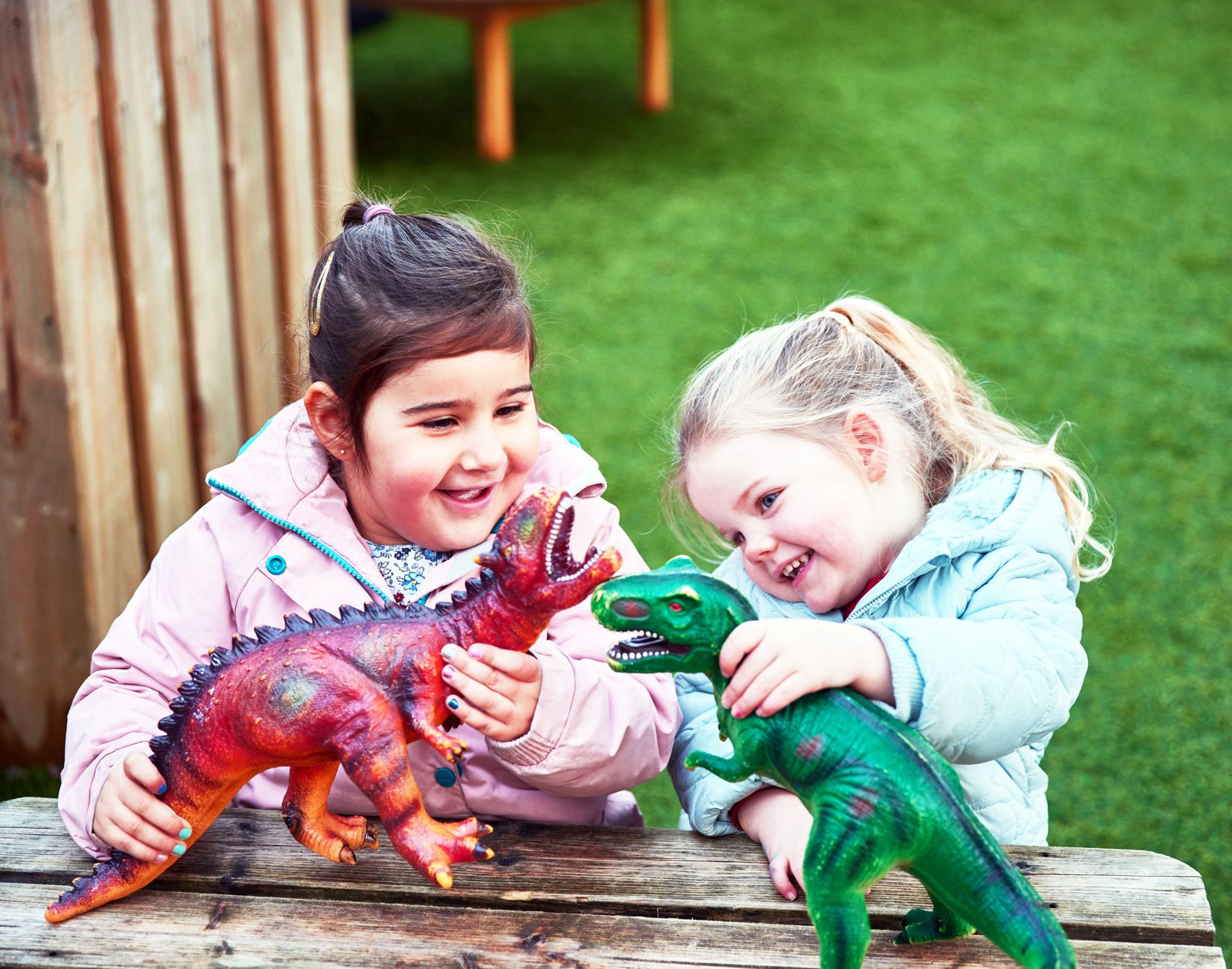
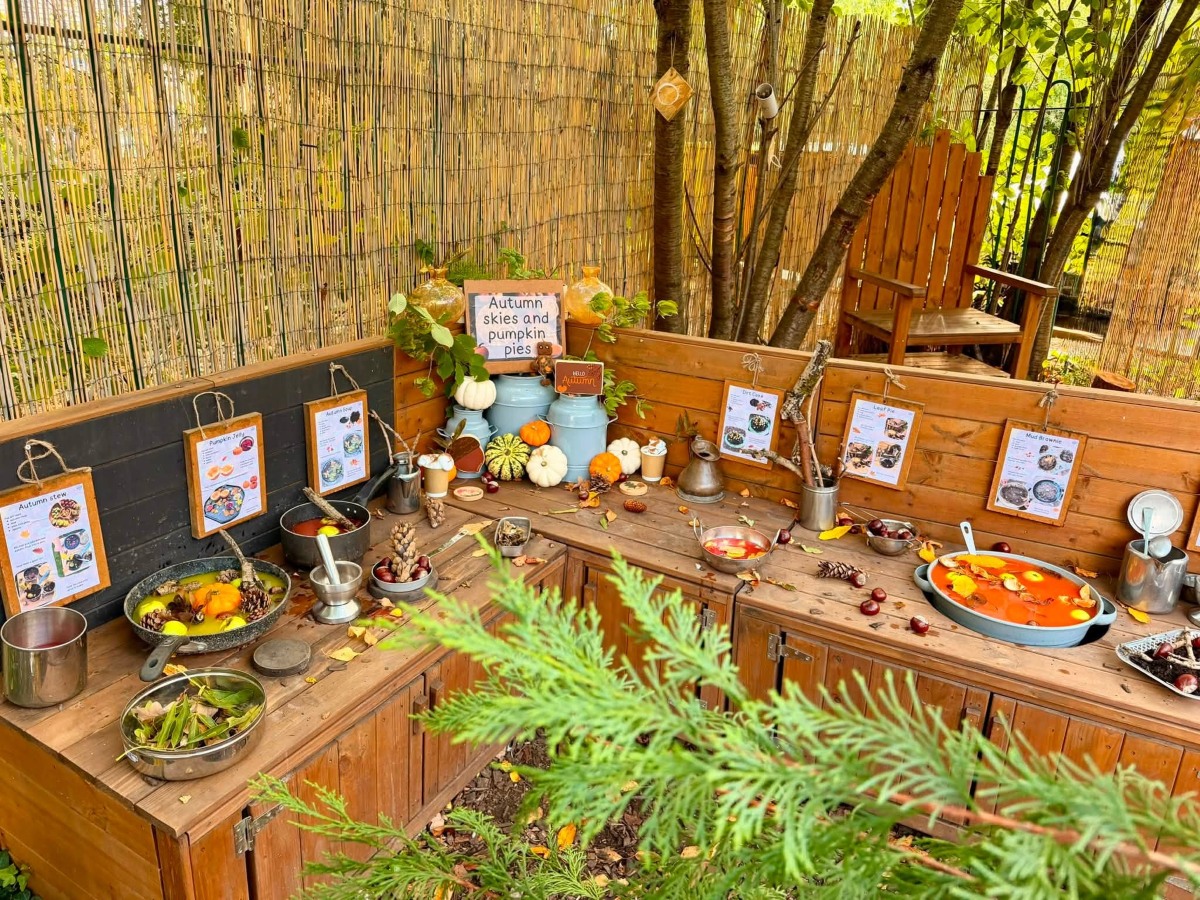
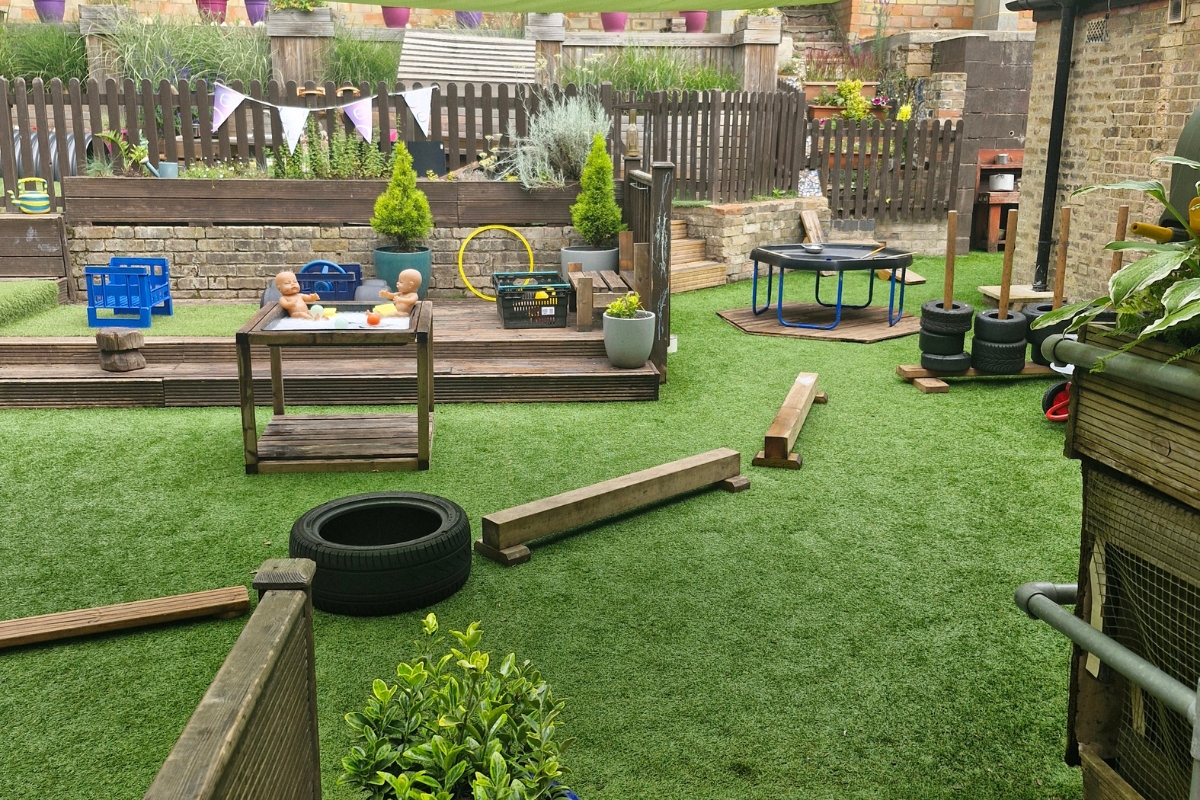
Providing children with opportunities to push, pull, jump, swing, climb, dance, get dressed, paint, mark make, draw and explore playdough are things that support the later development of writing. These are all things that children have ample opportunities to practice whilst at a Partou nursery.
So what is school readiness?
As published in Ofsted’s ‘Are you ready? Good practice in School readiness’ 2014, a primary school headteacher defined their ‘school’ view of school readiness as follows:
By 4 we would expect children to be ready to:
- Be separated from their families (e.g parent/carer).
- Be able to demonstrate listening skills and be able to show interest and pay attention to a subject or stimulus.
- Have enough language to be able to express themselves if they need something and be able to communicate something about what makes them who they are, such as name, age and something about family or relevant factors in their life.
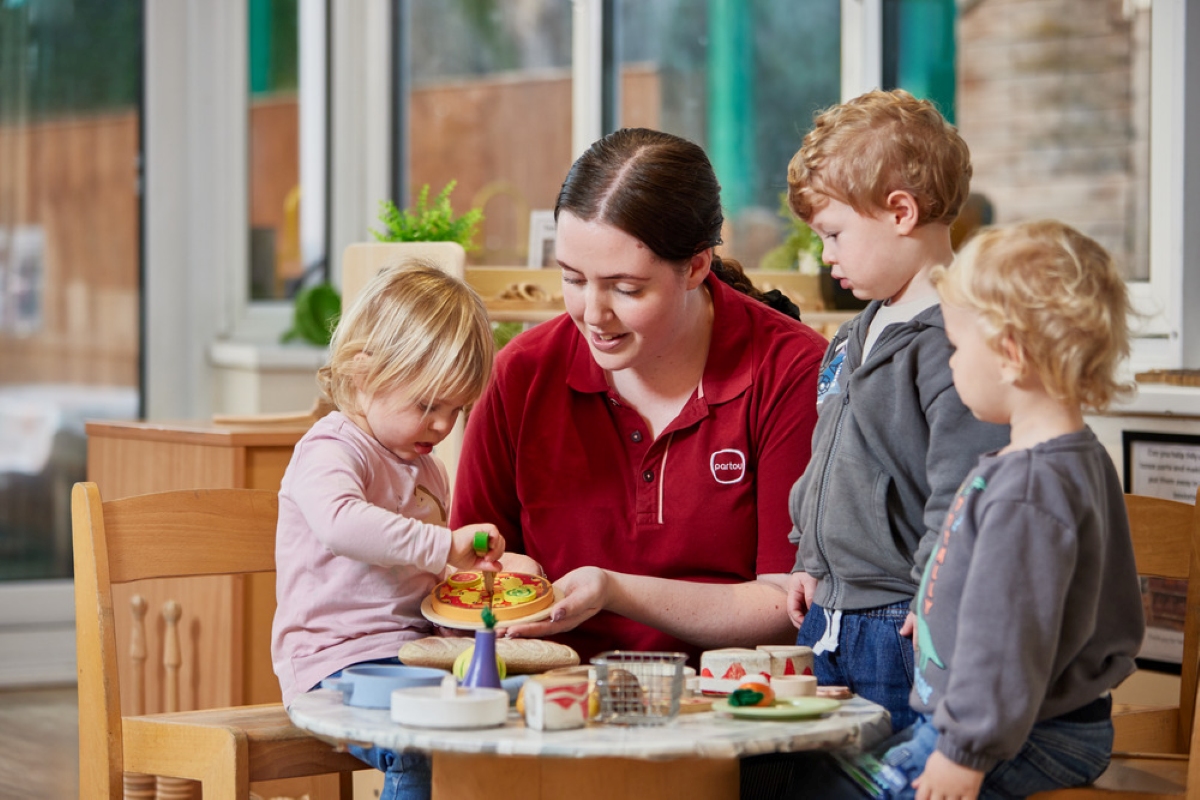
- Be able to interact with an adult and/or a peer. For example, during play to be able to take turns and take some responsibility for their actions.
- Be able to focus on, and show interest in, their work and the world around them. To make observations, notice things and ask questions. To be able to hold a book, understand some aspects of narrative and respond to some boundary setting.’
These skills are all learnt through…. Play!
And your child’s key person supports the development of these skills through your child’s interests.
Learn more about Supporting your child’s transition to school.