What is sensory play?
Sensory play is play with a focus on activities that stimulate the senses to support children’s exploration and experience of the world around them. Sensory play has endless benefits, from supporting gross and fine motor skills, to supporting a child’s emotional wellbeing. Sensory play is also a fun way to bond and engage with your child.
At each age and stage, sensory play can change and adapt to keep children of all ages engaged. Activities that are for younger children and babies can still be used for older children but with added opportunities for development, for example, with an added focus on speech to develop their verbal skills.
Sensory play for babies
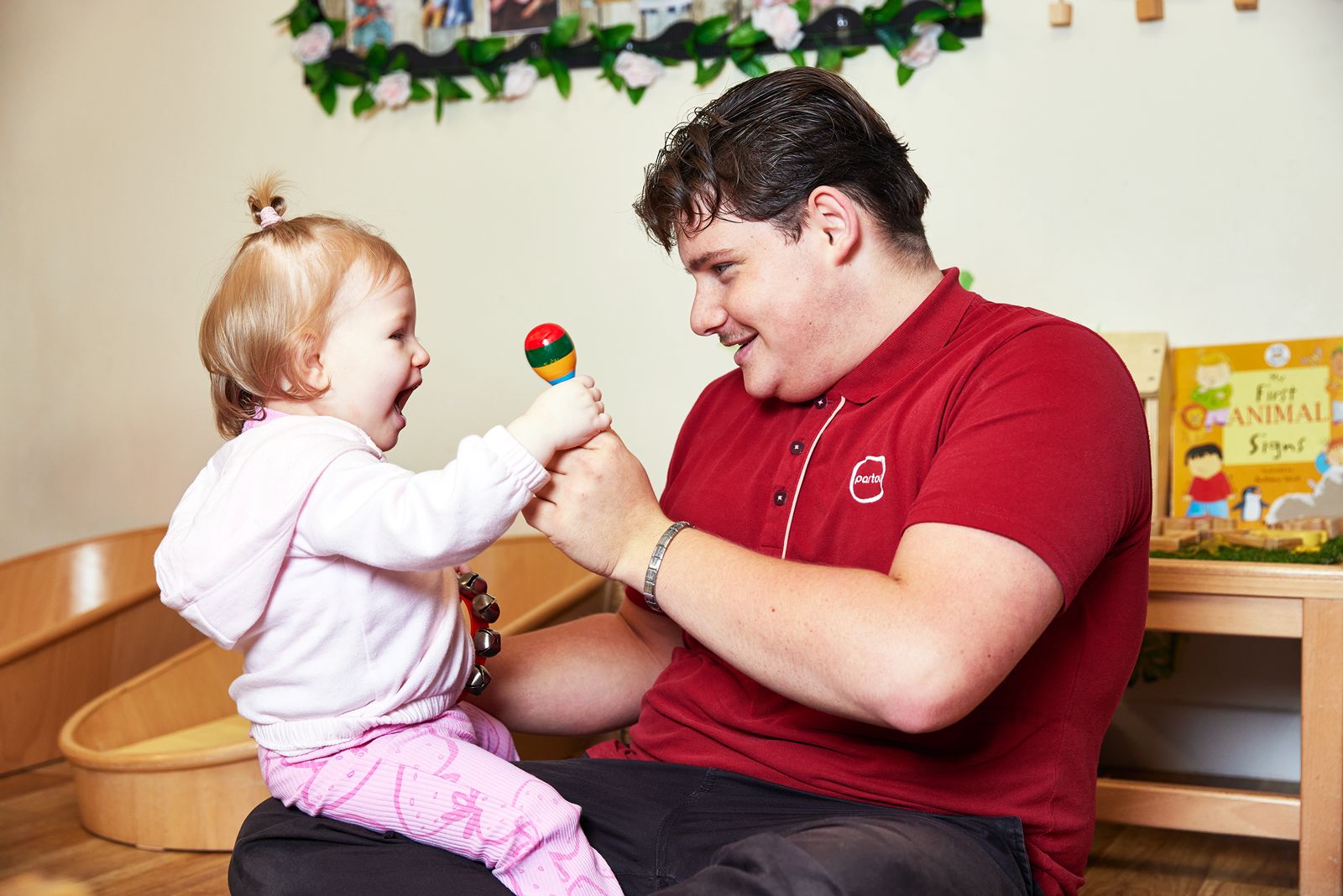
The world is brand new to a baby, so sensory play should focus on supporting the early development of the five senses. Sensory play for babies supports the development of vision, hearing, touch, smell and taste, to help them begin to understand the world around them. Activities that focus on colours and textures are best for this age. Creating a treasure box with different materials and fabrics that they can touch and feel is a great sensory play idea for babies.
Sensory play for toddlers
Sensory play for toddlers can have more of a focus on creativity and allowing a child to express themselves, while still supporting their sensory development. Sensory walks that include collecting leaves that they can bring back and create art with is an interactive experience that toddlers will enjoy. While out walking, or creating art, describing what you can see, hear, feel and smell helps support speech development as well as sensory development!
Sensory play for Preschoolers
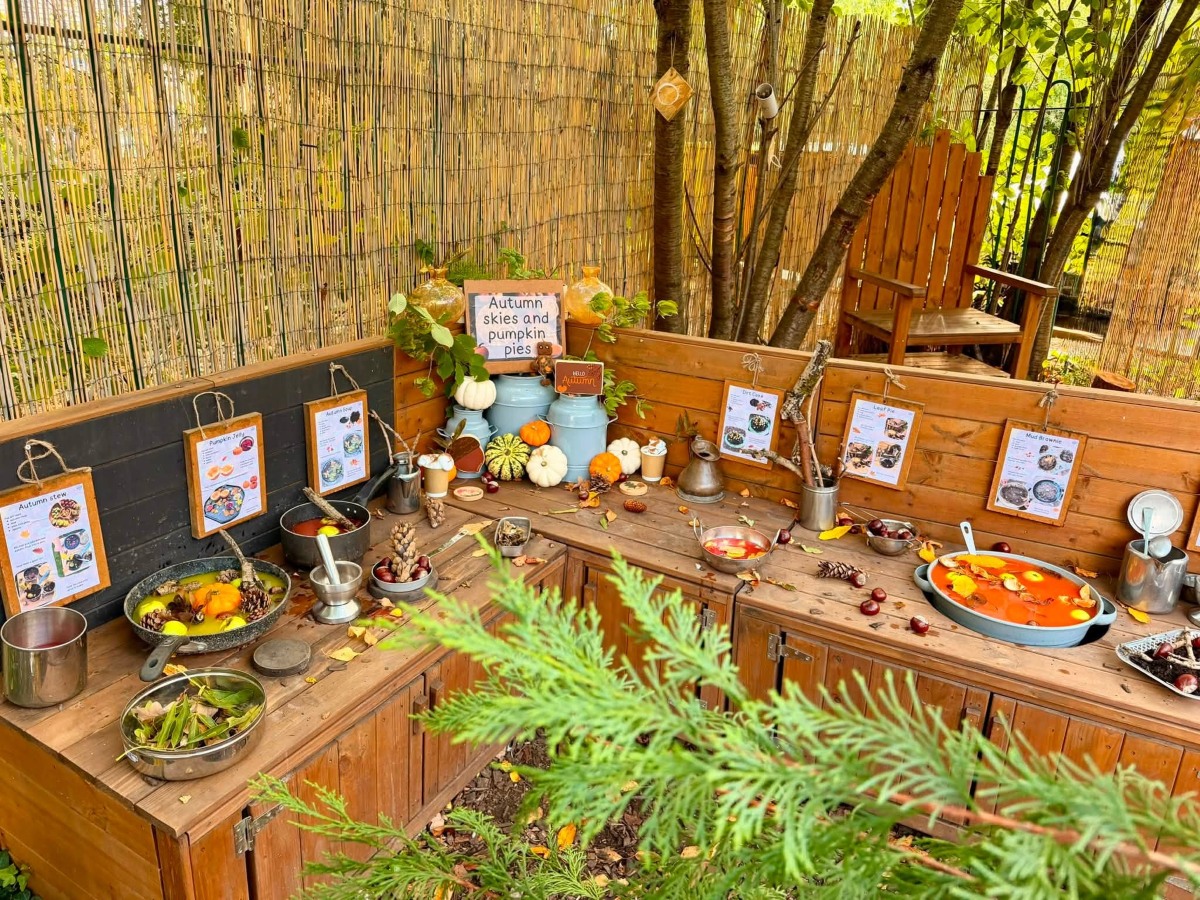
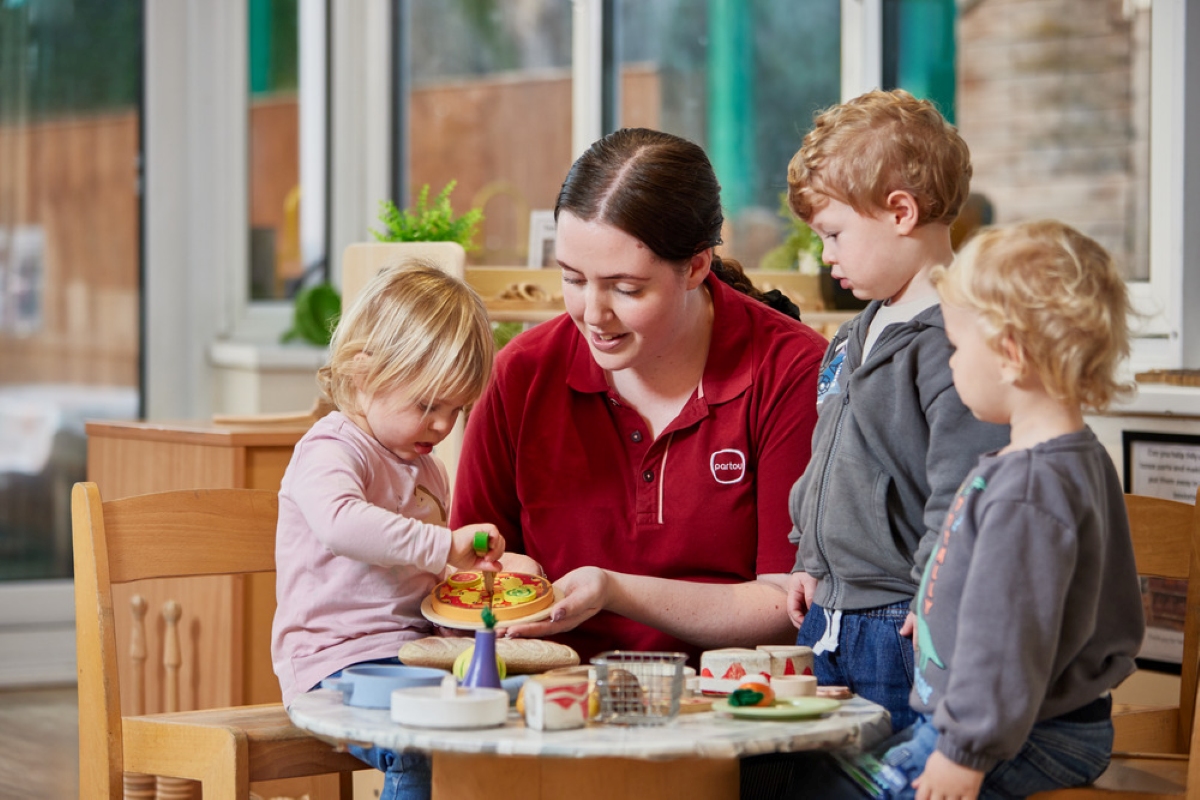
Sensory play for preschoolers can give more autonomy to the child with open-ended play in which they are free to explore without a set outcome, for example covering a floor or wall in paper and leaving out art supplies that they can choose how and where to use. Sensory play activities for preschool age children can also involve cooking simple recipes with an adult, like baking a cake and feeling, seeing, smelling the whole process, as well as tasting the yummy outcome of course.
Benefits of sensory play
- Sensory play helps children understand the world around them through exploring the sights, sounds, textures, and smells.
- Promoting creative thought and imagination through exploration of the senses.
- Therapeutic outlet for emotions when a child is struggling to express themselves verbally.
- Sensory play supports the skills needed to meet those big early years milestones such as walking, talking, and learning to draw and write.
We love sensory play and offer a wide range of sensory activities for all ages to encourage sensory development. Find out how to contact your local Partou nursery!