As well as being a natural instinct and lots of fun, spontaneous, unstructured child’s play involves exploring the world, trying things out, making decisions and experimenting to see how things work. Encouraging learning through play is a positive way to support young children in their development.
Why play is important in early learning
To gain an insight into how children learn through play, try watching from the side-lines as your little one does what comes most naturally to them. Children are born naturally curious and by closely observing them you can see this fundamental built-in drive to explore and find out in everything that they do! You might observe them exploring the properties of an object by interacting with it in lots of different ways, for example, banging them, exploring them with their hands, smelling or biting them, trying to post
them or exploring how they interact with other items or solving a problem by methodically working through different solutions until they find the right one.
When playing with friends, the group might develop a make-believe world and a set of rules to follow. Or if they decide to play in an imaginary world, your child might mimic grown-up behaviours to bake a cake or go to the shops. All of these activities support children’s learning and are an integral part of their journey of developing skills and knowledge.
Learning through play in the early years is vital to children’s healthy development because it’s the best way for young children to build their understanding of the world and their place in it. Children must have lots of opportunities to take control over their play without always having direction from adults, which will help develop their confidence and allow them to feel good about what they can achieve. For the very best experiences for children in early years, this approach is balanced alongside activities that practitioners set up for children to develop their learning opportunities even further.
The benefits of learning through play can be seen in all areas of development, including physical movement, cognitive ability, creativity, emotional wellbeing and social skills.
Examples of play-based learning at nursery
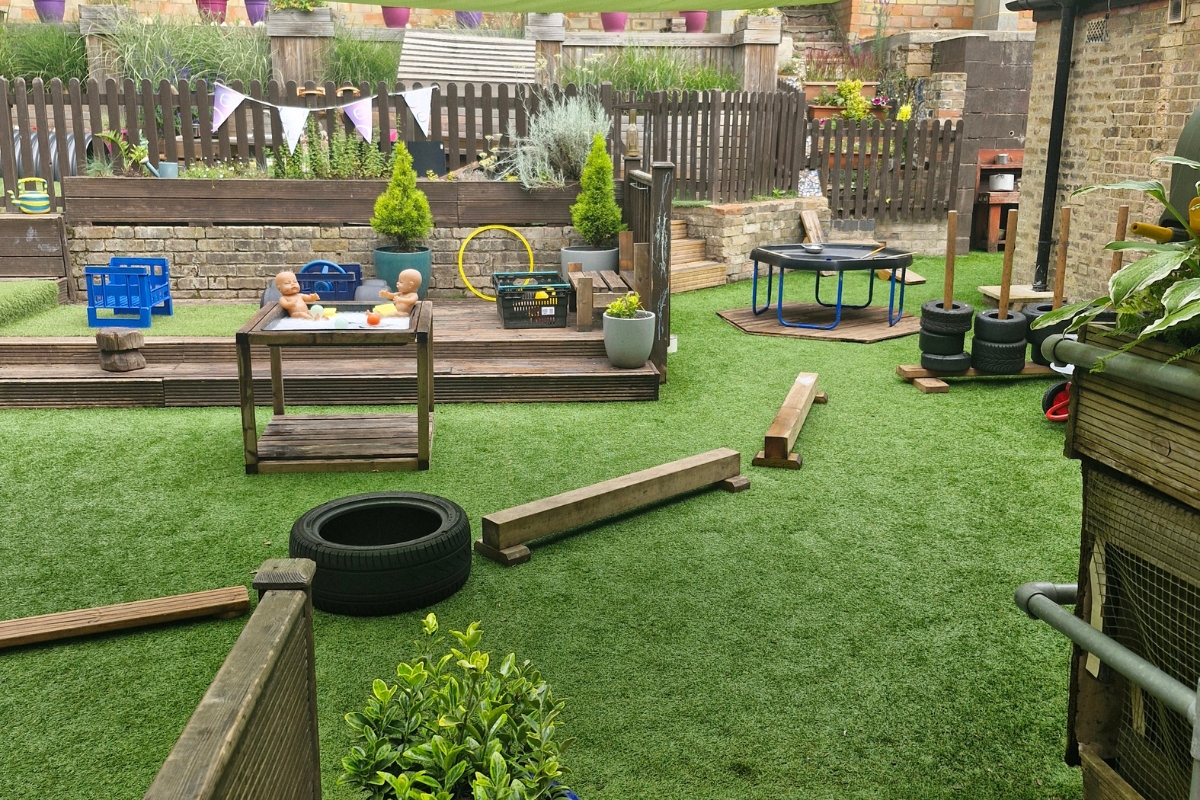
Play-based learning can happen anywhere! Learning through play at nursery might include unstructured activities like:
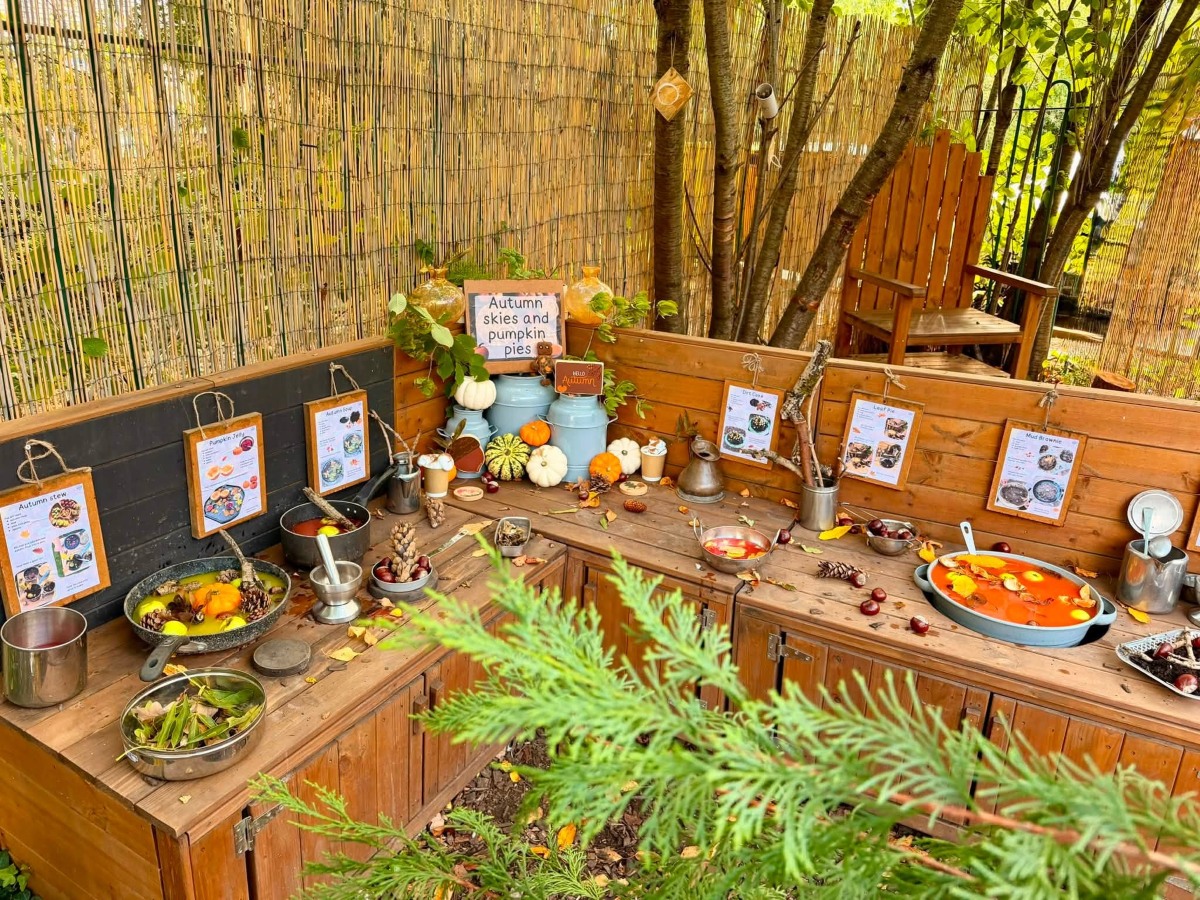
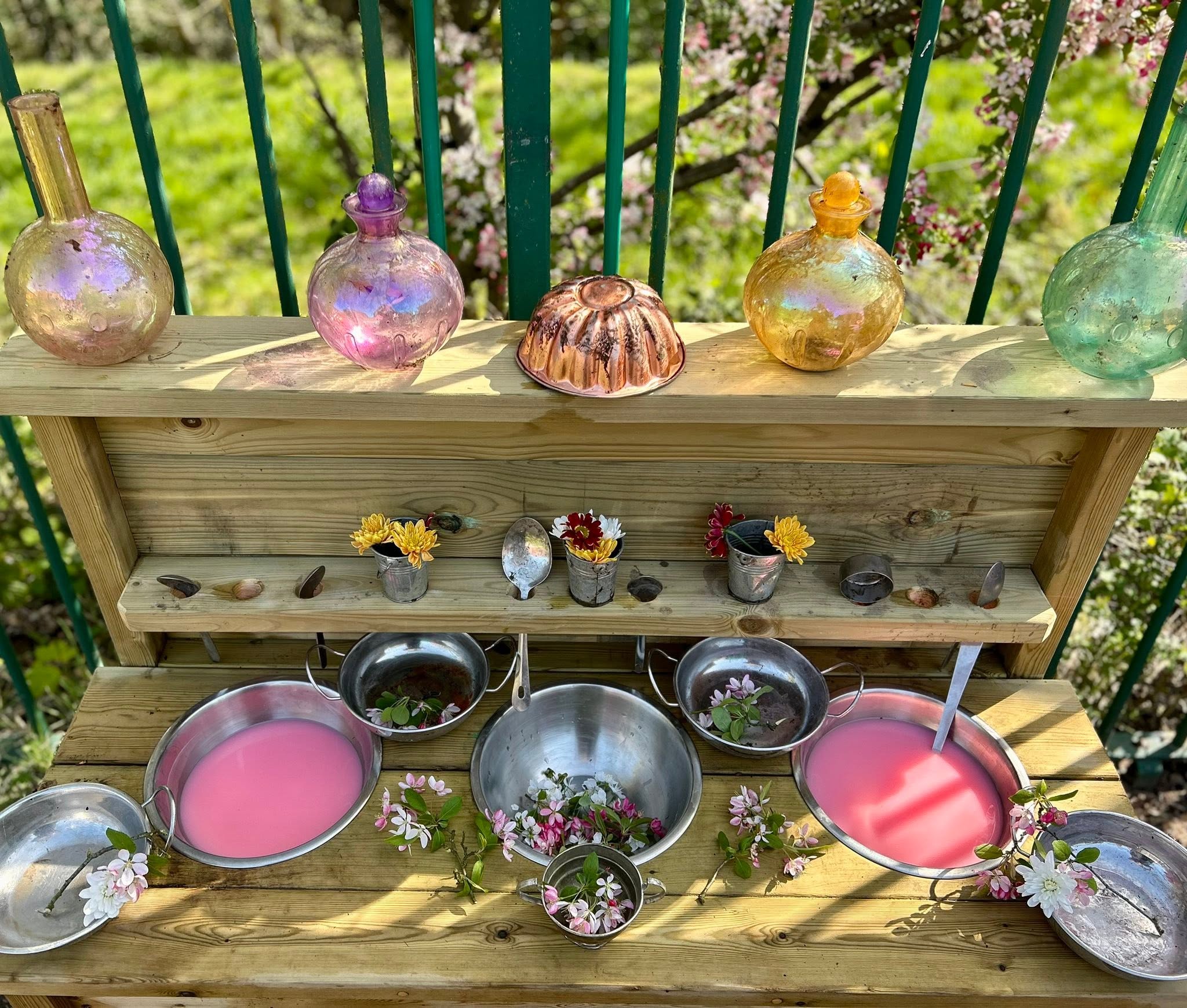
- Treasure Baskets, loose parts play, sand and water play – can
- help children understand the physical properties of different materials
- Building blocks – encourages children’s imagination, and creativity and
- develops children’s understanding of shapes, sizes and quantities.
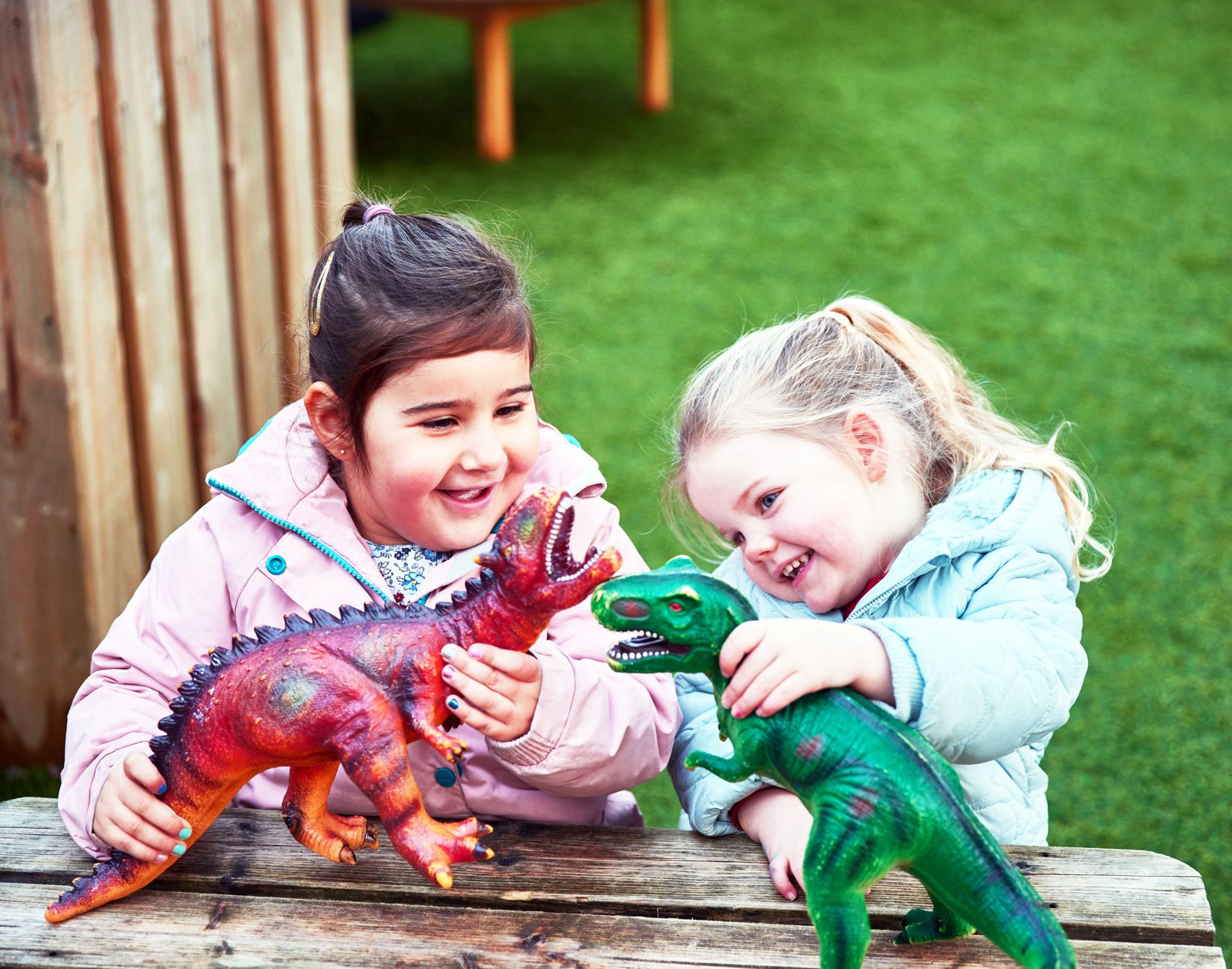
- Role Play and Small World – whether this is with dolls, animals or dinosaurs or acting out real-life activities in a toy kitchen or shop, or even dressing up, these can all help children to learn more about social situations, feelings and emotions and helps to teach children about other people.
Activities for parents to do with children at home
Whilst traditional shop bought “toys” can have a place in children’s learning they are not a necessity, there is plenty that parents can do at home to encourage spontaneous, unstructured learning through play. Here are some things you can do to support your child’s play:
- Turn off the TV for screen-free time
- Objects used around the home can make great props for children to explore and find purposes for; pots and pans, blankets and covers, scarves and buttons – the list is endless (always just support younger children when using objects that could pose a risk)
- Offer objects that don’t have a definite purpose, so children can use their
- imagination and see where it takes them. A simple stick can be transformed into a spoon, a sword or a magic wand!
- Invite friends over for playdates, or meet up with others in the park
- Spend time outside, whatever the weather! We like to say that there is no such thing as inappropriate weather – you just need the right equipment to be outside!
- Let children take controlled risks – equipping them with the confidence to climb a little higher or jump a little further, at their own pace
- Step back and allow children to play without direction – or join in, but let your child direct you and follow their lead.
Ultimately, play is a natural instinct that children find deeply enjoyable and satisfying. Although they won’t think of it in that way, children will always learn if they have the freedom to express themselves through play.
By encouraging young children to learn through play, we can support babies, toddlers and pre-schoolers to equip themselves with the skills they need for life.
To learn more about how we encourage learning through play, contact us today.