



How we create our nursery menus — and why it matters
Food and nutrition are an important part of Partou nursery life. Learn how we develop our menus using expert knowledge and DfE guidance and how we support children to make mealtimes enjoyable.
From bedtime shifts to lighter evenings, the spring clock change can feel daunting when you have young children. Discover gentle, child-led ideas to help your baby or toddler adjust to British Summer Time, with practical tips for sleep, routines and nursery mornings.

The clocks spring forward on Sunday 29 March, marking the start of British Summer Time. When you have a baby, toddler or young child, routine changes can feel daunting, especially when they involve something as valuable as sleep.
The good news is that the spring clock change tends to be the easier one for families. Whether you prepare a little or not at all, most children adjust within a few days.
Here’s what’s actually happening, why it might affect your child’s routine, and some gentle preparation tips you might like to consider.
At 1am on Sunday 29 March, clocks move forward by one hour to 2am. This means we lose an hour overnight, and everything from bedtime to breakfast effectively shifts an hour earlier on your child’s body clock.
So, if your little one usually goes to bed at 7pm, their body will feel like it’s 6pm when the clock says 7pm on Sunday evening. They might not feel quite ready for sleep, and that’s completely normal.
Children’s sleep is closely linked to their circadian rhythm, which is the internal body clock that responds to light, routine, and mealtimes. Adults can usually absorb a one-hour shift without too much trouble, but young children’s internal clocks are still developing and tend to be more sensitive to change.
You might notice some temporary differences in the days following the clock change. Bedtime could feel a bit harder to settle into; naps might shift slightly, or your child could seem a little out of sorts. None of this is anything to worry about. It’s your child’s body adjusting, and it usually sorts itself out within a week.
If your child tends to wake up early, the spring clock change can actually work in your favour. A 5.30am wake-up suddenly becomes 6.30am on the new clock. Nothing has changed for your child, but for you it can feel like a small gift. If that later wake-up works well for your family, you can gently support it by keeping the room dark until the new wake time and adjusting the rest of the day’s routine to match.
Every child is different, and you know yours best. Some children barely notice the clock change, while others take a little longer to find their rhythm again. Here are three approaches that families find helpful. You might use one, combine a couple, or take a completely different path that works for your family.
If your child does well with a predictable routine, you could start making small adjustments in the days leading up to the clock change. From Wednesday or Thursday, try moving bedtime, naps and mealtimes around 10 to 15 minutes earlier each day. By the time Sunday comes around, your child’s schedule will already be close to the new time.
This approach works well for children who are sensitive to routine changes, as the shifts are small enough that they often go unnoticed.
If a full week of gradual changes feels like too much to manage (and it absolutely can be, especially in a busy household), you could simply bring bedtime and naps forward by about 30 minutes on the Saturday before the clocks change. This softens the one-hour jump without requiring days of planning.
For plenty of families, this is the simplest and most effective approach. On Sunday morning, go about your normal routine at the new clock time. Your child might seem a little tired that first day, but most children adapt quickly when meals, naps and bedtime stay consistent.
This tends to work especially well for younger babies who are on a flexible schedule, or for families where adjusting things in advance just isn’t realistic.



Whichever approach you take, there are a few things that can help your child’s body clock catch up with the new time.
Natural light is one of the strongest signals for resetting the body clock. Opening curtains as soon as your child wakes up or getting outside for a walk or some garden play in the morning helps their brain recognise that it’s daytime. This is one of the most effective things you can do, and it’s enjoyable for everyone.
Even if the clock time shifts a bit, your usual bedtime sequence is a powerful cue for your child’s brain that sleep is coming. Whether that’s bath, pyjamas, a story and a cuddle, or something else entirely, the familiarity of the routine matters more than the exact time it starts. Keeping things consistent helps children feel safe and settled, even when other things around them are changing.
British Summer Time brings lighter evenings, which is lovely for after-nursery play but can make bedtime trickier. If your child’s bedroom lets in a lot of evening light, blackout blinds or curtains can make a real difference. Dimming lights in the house around 30 minutes before bed also helps signal to your child’s body that it’s time to wind down.
Mealtimes are a strong cue for the body clock, so moving breakfast, lunch and dinner in step with any sleep adjustments helps everything stay in sync. If you’re not making any advance changes, simply eating at the new clock times from Sunday onwards gives your child’s rhythm a clear set of signals to follow.
It can take up to a week for children to fully settle into the new time, and some may adjust in just a day or two. A few unsettled nights or slightly off-kilter naps are completely normal. Try not to put pressure on yourself or your child to get it right straight away. You’re both adjusting.
If your child attends nursery, the Monday after the clock change can feel a bit more rushed than usual, especially if their body clock hasn’t quite caught up. A few things that might help include laying out clothes and packing bags the night before, allowing a little extra time for the morning routine in the first few days, and using bright light and breakfast as wake-up signals.
At Partou, our nursery teams are well used to the clock change and the temporary wobbles it can bring. Children might arrive a little sleepier in the first few days, and that’s absolutely fine. Our team will follow each child’s lead, adjusting activities and nap times as needed to make sure they feel comfortable and settled.
Once everyone has adjusted, the lighter evenings open up all sorts of opportunities for outdoor play and exploration. More time outside means more fresh air, more physical activity, and more of those rich sensory experiences that support children’s learning and development in the early years. It’s a lovely time of year to make the most of gardens, parks, puddles and everything else spring has to offer.
Each child responds to transitions differently, so follow the approach that feels most natural for your family. If the clock change does throw things off for a few days, trust that it’s temporary. Children are wonderfully adaptable, and your family’s rhythm will soon feel steady again.
The clocks go forward by one hour at 1am on Sunday 29 March 2026, marking the start of British Summer Time (BST).
You can gradually shift bedtime, naps and meals 10 to 15 minutes earlier each day in the days before the clock change. Alternatively, many families find that making no changes in advance and simply adjusting on the day works well, especially for younger babies.
Most children adjust within three to five days, although some may take up to a week. Keeping routines consistent, getting plenty of natural light in the morning and being patient all help the transition.
It can do. If your child normally wakes at 5.30am, this becomes 6.30am on the new clock. By keeping the room dark until the new wake time and maintaining consistent routines, the later wake-up can become more frequent.
Search our nurseries by name, town, city or postcode.
Food and nutrition are an important part of Partou nursery life. Learn how we develop our menus using expert knowledge and DfE guidance and how we support children to make mealtimes enjoyable.

Ofsted praises Partou Barnwood for its happy children, nurturing relationships and supportive teaching. Learn more about what the inspectors found.
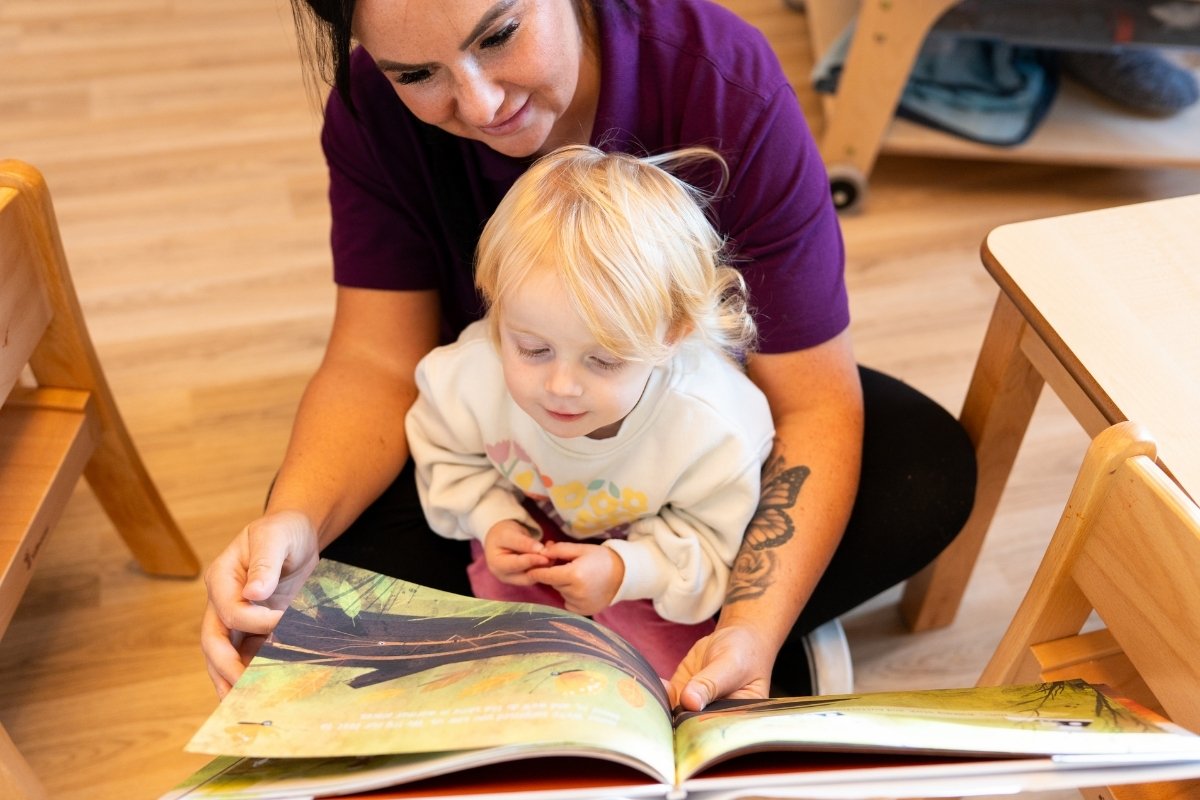
From bedtime reading to singing in the car, the everyday moments you share with your child are already building the foundations for literacy. Discover simple, practical ways to nurture early years confidence with words, letters and sounds with no special resources needed.