What is personal, social and emotional development (PSED)?
Personal, social and emotional development is a crucial part of early childhood education and wellbeing. It involves the development of a child’s ability to understand and manage their feelings, interact effectively with peers and adults and build a positive self-identity. If you’ve ever taken a deep breath or counted to 10 before reacting when you’ve felt irritated, built a friendship, or seen things from another point of view, you’ve drawn on these abilities, and the chances are they have helped you a great deal in all aspects of your life.
PSED can be broken down into three main areas:
- Self-confidence and self-awareness
- Managing feelings and behaviour
- Making relationships
All of these are skills that need learning – they may not come naturally at first. (Think of a toddler experiencing big feelings when things don’t go their way, or learning that they can’t just snatch a toy from someone else when they want it). Once mastered, they are skills that will be called upon throughout their childhood and into adult life.
Why is there such an emphasis on PSED in early years?
The Early Years Foundation Stage (EYFS) is the set of standards for early years learning from birth to 5. It covers many areas of development, but above all else it focuses on three prime areas:
- Personal, social and emotional development
- Physical Development
- Communication and Language
So, why is PSED so important for young children?
- One reason is that it provides a crucial foundation for the future. When children can manage their emotions, communicate effectively and form positive relationships, they are better equipped to learn and succeed academically and in their future careers, as well as building rewarding relationships to sustain them socially.
- PSED is also vital for emotional wellbeing. Children (and adults) who are emotionally intelligent and have the skills to build good relationships with others tend to have higher levels of wellbeing.
- Resilience is another important factor. Through PSED, children develop the ability to bounce back from setbacks and face new challenges with confidence.
How do Partou nurseries incorporate PSED into early years learning?
At Partou, our approach to learning is always centred around what babies, toddlers and preschoolers will enjoy and find stimulating. We routinely introduce activities that support personal, social and emotional development, at all stages from babyhood to preschool, always focusing on the world the way it looks to the child. PSED-focused activities in our nurseries include:
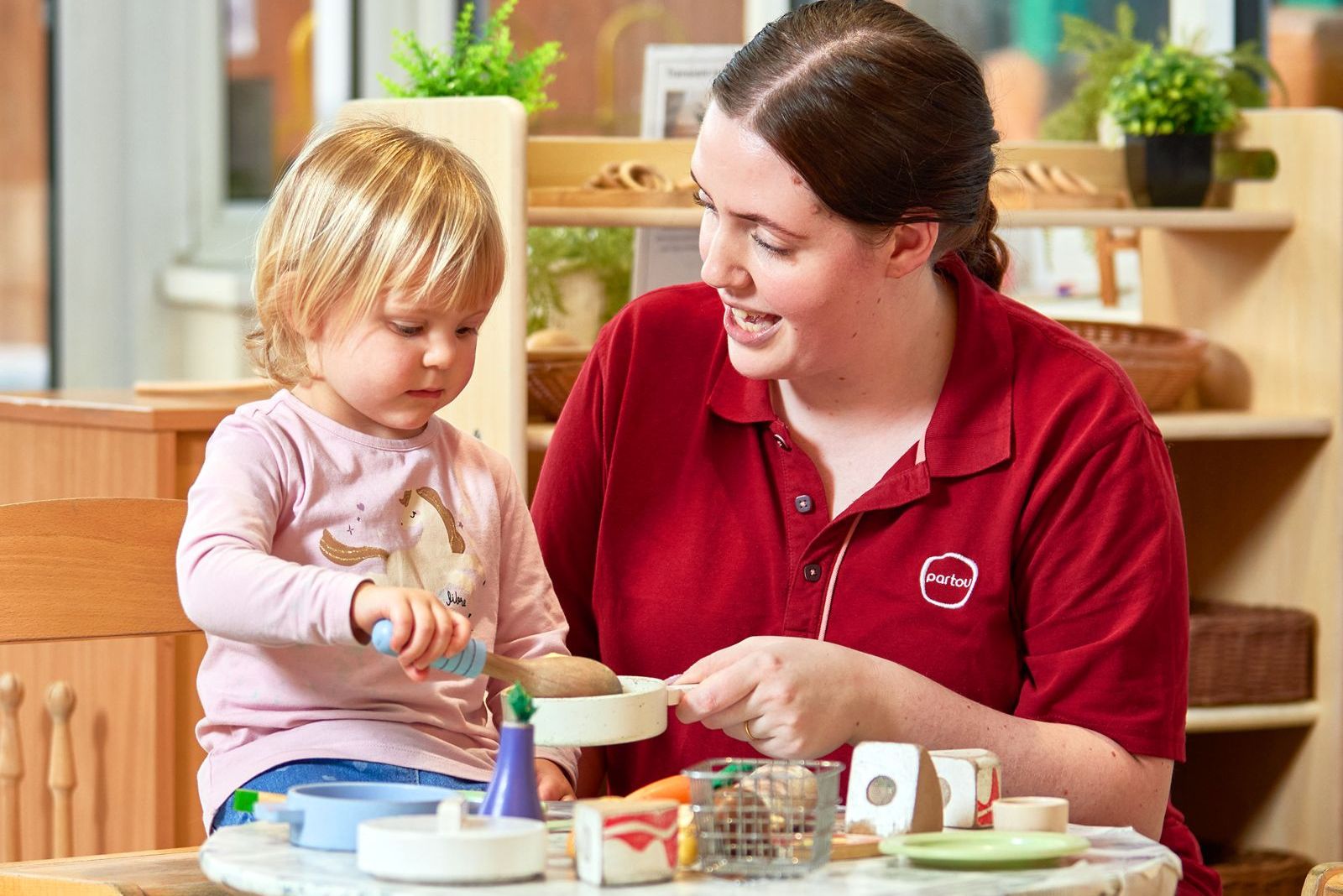
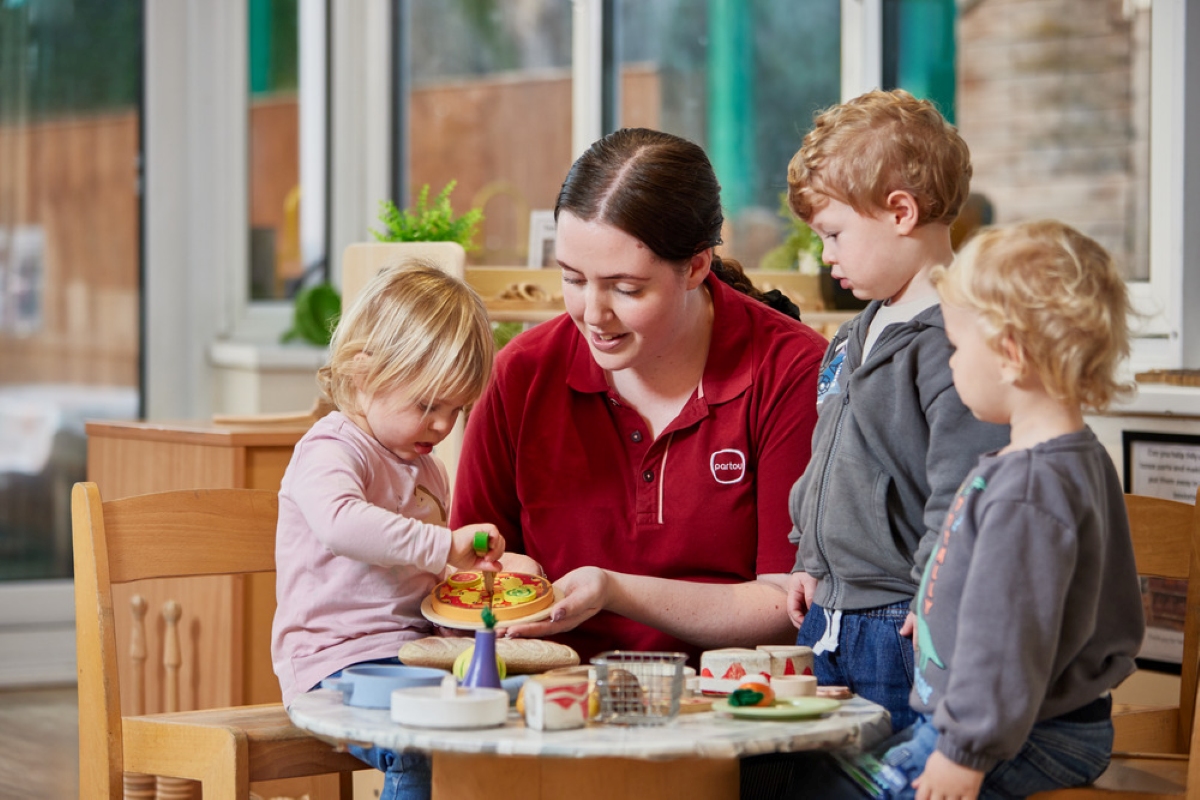
- Role play and dressing up. These are among the best learning activities for toddlers and older children to understand more about themselves and the part they play in a group.
- Storytelling. Exploring different stories and talking about the emotions that characters are feeling can help children to identify with others and build their understanding of social situations.
- Turn-taking and collaborative games. Sharing, co-operating and taking turns are all skills that help us to get along together. Circle time is a great opportunity for everyone to work together and take turns, while board games and other activities with smaller groups can help children master the skills they need to co-operate and resolve conflict.
Find out more
Here at Partou, everything we do is focused on the wellbeing of the children in our care – which means that we devote a big part of our time and energy to personal, social and emotional development in early years. To find out more or to book a tour of our nursery, just get in touch.
Find your local Partou Nursery
Search for a nursery
Search our nurseries by name, town, city or postcode.