Explore practical ways to build mindfulness into everyday moments with children, supporting their wellbeing and emotional development while building the habit alongside them.
What is mindfulness?
Mindfulness means paying full attention to the present moment being aware of what’s happening around us and within us, without judgement. It’s about noticing our thoughts, feelings, and body sensations as they come and go, rather than getting caught up in worries about the past or future.
Practicing mindfulness regularly helps us stay calm and focused and enables us to regulate ourselves, especially during challenging times. It teaches us to respond thoughtfully instead of reacting automatically. This can reduce stress, improve patience, and create a calmer, more supportive atmosphere for both yourself and your child.
Mindfulness with children
Practising mindfulness for yourself is valuable, but you can also weave it into your day with your child. This not only supports your own wellbeing and emotional regulation but also helps your child learn mindfulness and develop their own regulation skills.
Here are some simple ways to include mindfulness in your routine:
Gratitude moments – Invite your child to share something that made them happy or smile, either from their day or in general. This can become a gentle ritual during lunchtime, teatime, or just before bed. Keep it simple and model the practice yourself.
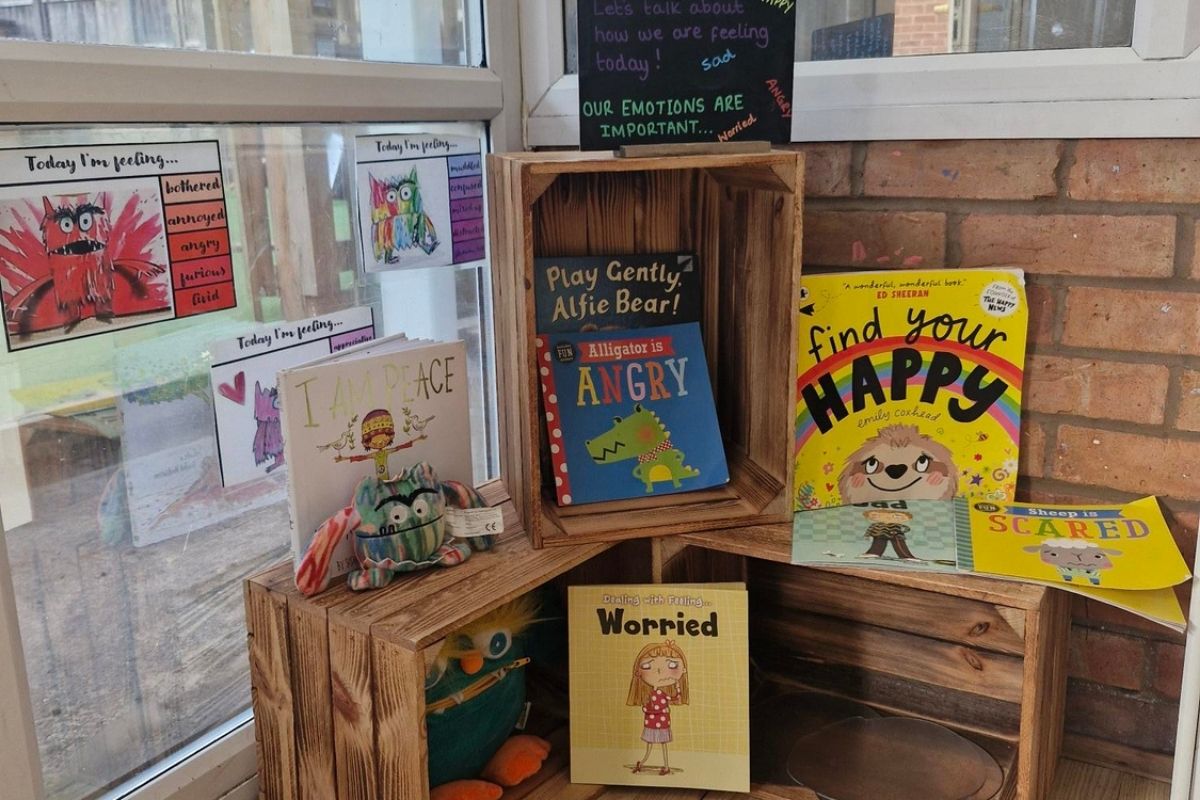
Journalling and emotions – Encourage your child to pick a colour that reflects how they feel and use it to make marks or patterns. This simple visual expression helps them explore emotions. If your child is a bit older, they might enjoy keeping a drawing journal to reflect on their day through doodles or pictures, supporting emotional literacy. Join in and model this too, when children see adults expressing feelings creatively, it helps them feel safe to do the same.
Mindful breathing and meditation – Teach simple breathing exercises like “smell the flower, blow out the candle” to help your child pause, relax, and connect with their bodies. You could also try mindful breathing outdoors in a quiet garden spot. Joining in with your child shows them that mindfulness is for everyone.
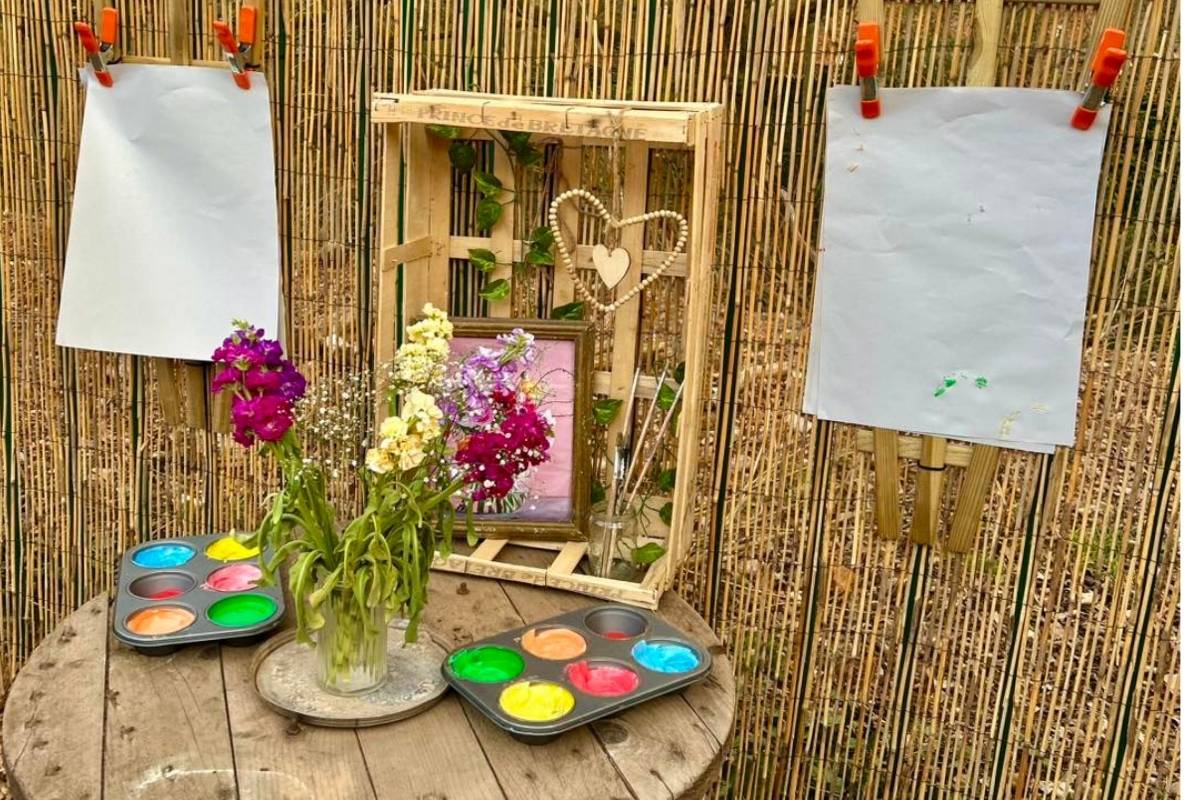
Mark making for mindfulness – Provide opportunities for slow, focused mark making. Play gentle instrumental music and invite your child to move their drawing tools in time with the rhythm. Encourage them to draw a line as they breathe in and another as they breathe out, linking breath with movement. Mandala patterns are great inspiration, repeating dots, lines, or shapes helps foster calm attention and mindfulness. Mark making is also great for building early literacy skills whilst supporting children with mindfulness habits.
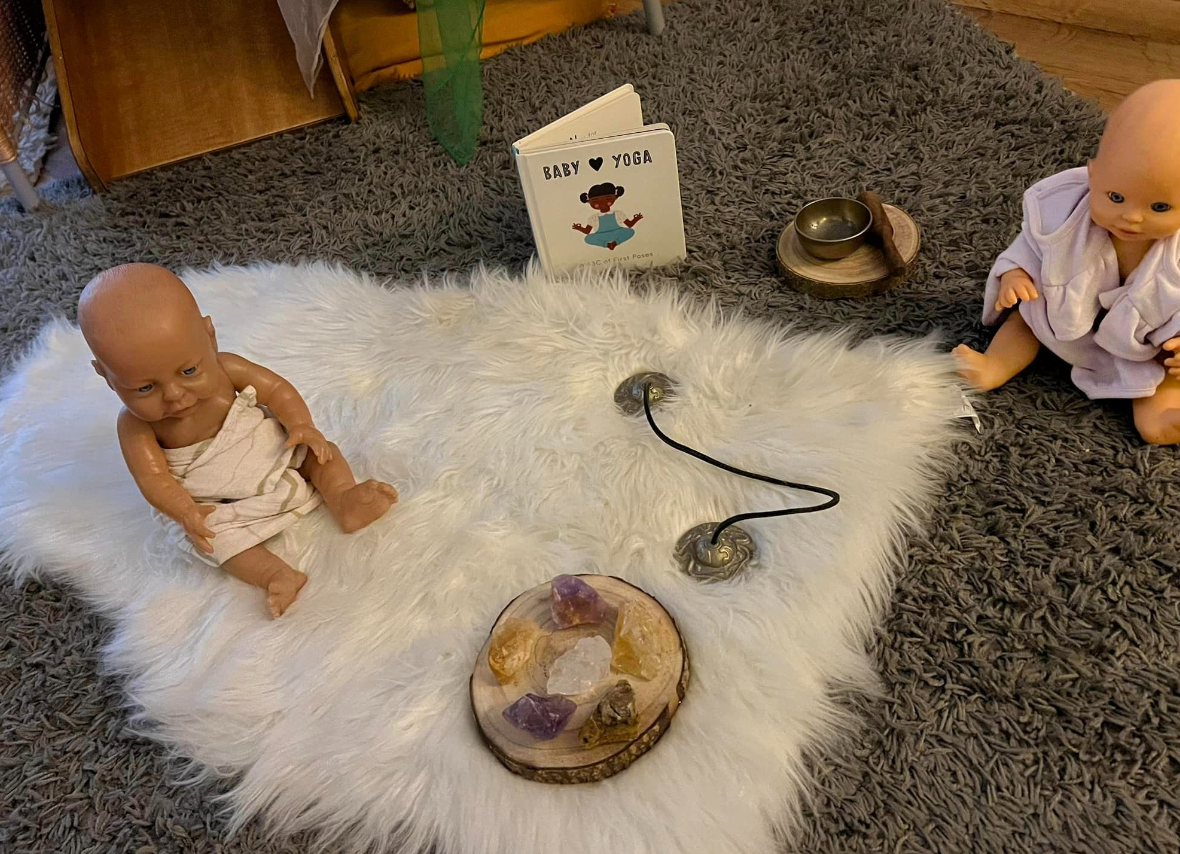
Yoga – Yoga can be a fun, engaging way for children to connect with their breath and bodies. Try gentle stretches, animal-inspired poses, or story-based yoga sessions where each pose is part of an adventure.
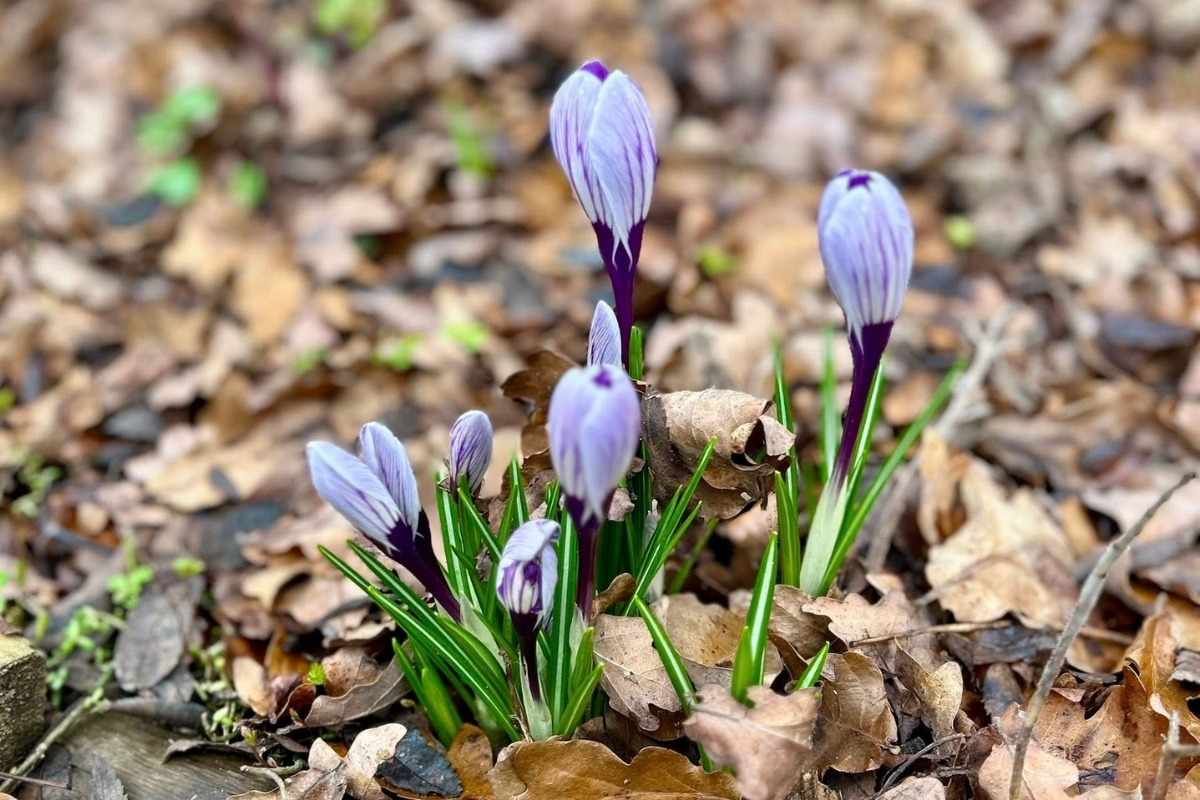
Nature connection – Nature offers a peaceful, sensory-rich environment that naturally encourages presence. Spend time outdoors helping you both slow down and tune into your surroundings. Try listening walks to notice birdsong, wind through leaves, or footsteps on paths. Sky gazing is another calming activity, lie on the grass and watch clouds drift by, observing their shapes and movement. Walking barefoot connects us with different textures like grass, mud, or stone. Nature treasure hunts encourage mindful exploration, searching for items with interesting textures, colours, or smells. Tree tracing or bark rubbings invite slow, thoughtful mark making using natural materials.
Mindfulness in everyday practice
Mindfulness doesn’t need to be complicated. It can be woven into everyday moments with your child in simple, meaningful ways. Whether it’s through breathing, drawing, moving, or connecting with nature, these small practices can make a big difference. By modelling mindfulness and inviting your child to join in, you’re helping them build lifelong skills in self-awareness and regulation, while also taking care of your own emotional wellbeing. It’s a helpful way to care for yourself during the day and keep your emotional cup topped up.
Find your local Partou Nursery
Search for a nursery
Search our nurseries by name, town, city or postcode.
Market Harborough nursery chef nominated for national award
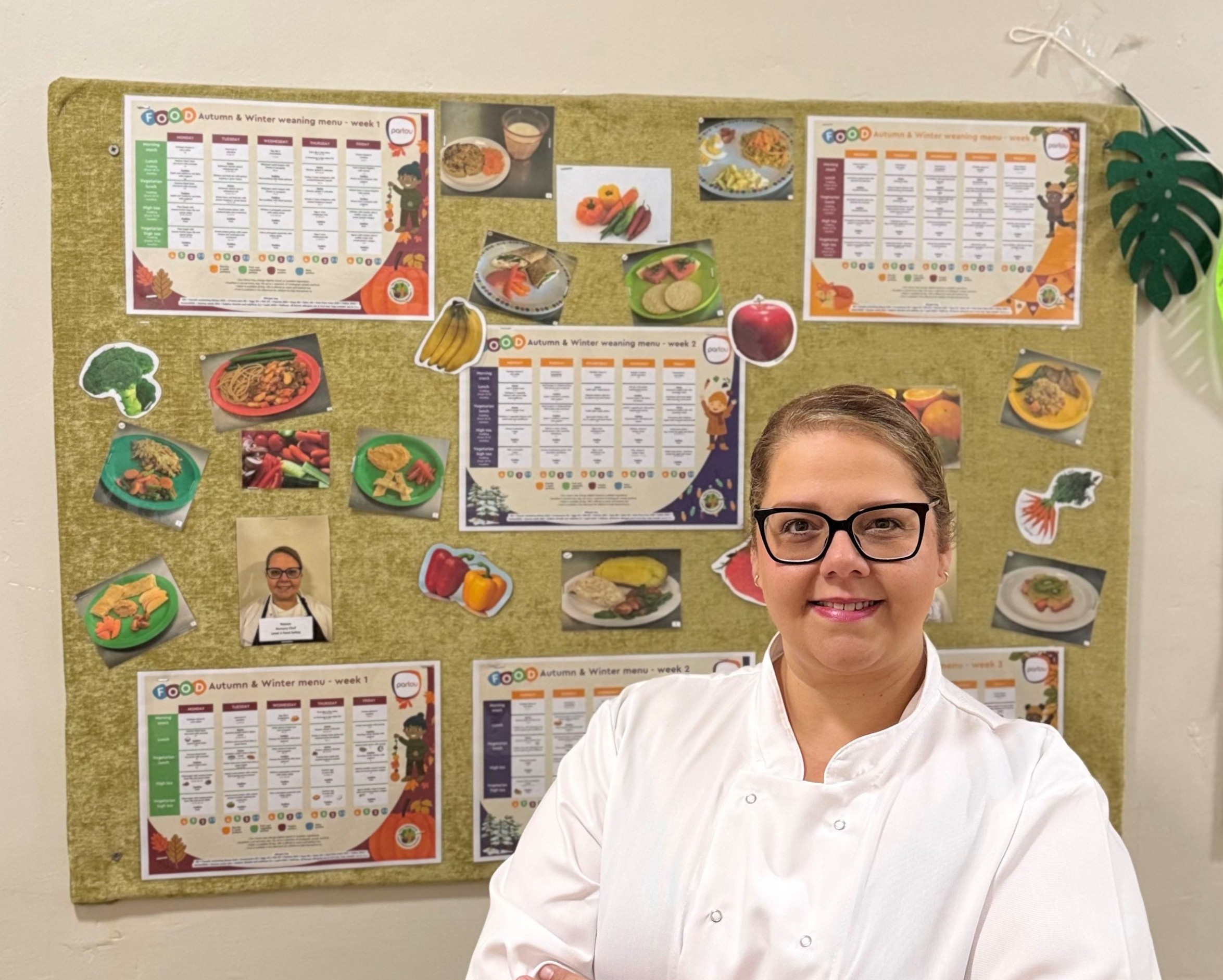
Naiane Serafin Godinho, Nursery Chef at Partou Progress House in Market Harborough, has been shortlisted for Chef of the Year at the National NMT Nursery Awards 2026.
Nursery Manager Nina Halls shares what makes Nai's passion for early years nutrition stand out.